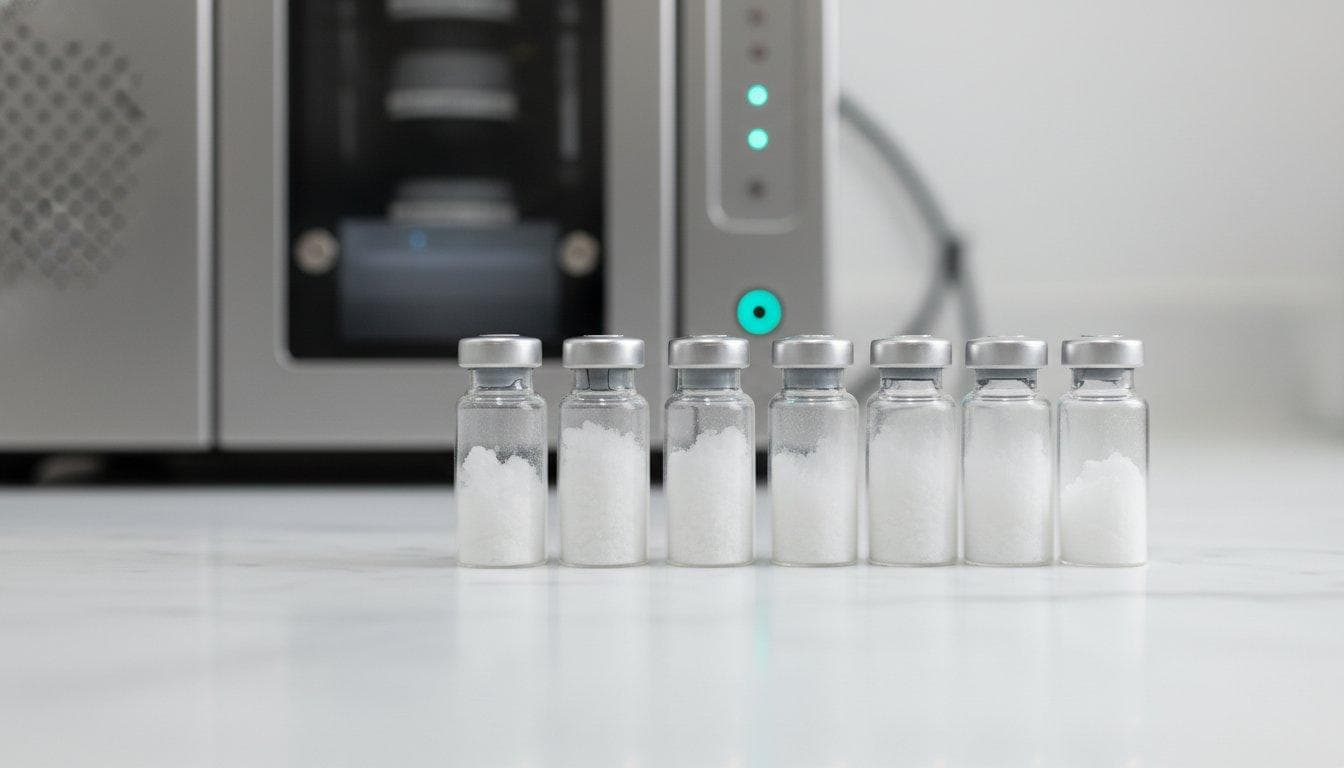


You?ve heard the buzz about BPC-157, a peptide that acts like your body?s own internal repair crew. It?s a chain of amino acids that helps support everything from joints and muscles to your gut lining. But finding the right product can feel overwhelming. The market is full of confusing options and questionable quality. How do you know what?s pure, potent, and actually effective? This guide is your clear roadmap. We?ll show you exactly how to find the best bpc-157 capsules, covering everything from third-party testing to the red flags you can?t afford to miss.
Key Takeaways
- Look for Proof of Purity, Not Just Promises: A trustworthy BPC-157 supplement is always backed by a Certificate of Analysis (COA) from a third-party lab. For capsules, seek out the stabilized BPC-157 Arginate form and confirm the product is made in a cGMP-certified facility to guarantee quality.
- Match the Form to Your Wellness Goals: Capsules are a game-changer for convenience and are especially effective for supporting gut health. While injections offer direct absorption for targeted injuries, a high-quality, stabilized capsule provides excellent systemic support without the need for needles.
- Prioritize Value Over Price: Be wary of suspiciously low prices, as they often indicate an underdosed or impure product. Investing in a reputable brand with transparent testing is more important than finding the cheapest option.
- Buy Direct When Possible: Purchasing directly from the manufacturer or a verified retailer reduces the risk of counterfeit products and ensures proper handling and storage.
- Understand the Research Limitations: While animal studies show promise, human clinical trials for BPC-157 are limited. Responsible brands will be transparent about this, focusing on quality control rather than making exaggerated claims.
Where to Buy Authentic BPC-157 Capsules
Navigating the Peptide Market
The world of peptides can feel a bit like a maze, especially when you’re looking for something specific like BPC-157. Lots of companies are selling it now, and it’s not always easy to tell who’s on the level. When you’re trying to find BPC-157 capsules, it’s not just about finding a good price. You really need to make sure what you’re buying is pure, strong, and safe. Your health is too important to take chances with, so let’s talk about how to find a seller you can trust.
Prioritizing Purity and Potency
When you’re looking at BPC-157 capsules, the most important things are purity and potency. This means the product should contain exactly what it says it does, and at the correct strength. You don’t want fillers or contaminants, and you certainly don’t want a product that’s weaker than advertised. This is where checking the details really matters. A good company will be upfront about how they test their products and what their standards are.
Understanding Product Verification
How do you know if a BPC-157 product is the real deal? It comes down to verification. This usually means looking for proof that the product has been tested by an independent lab. A Certificate of Analysis (COA) is your best friend here. It shows the results of tests for purity and potency. Without a COA, it’s hard to be sure you’re getting what you paid for. Always look for a COA before you buy.
- Check if the COA is from a third-party lab.
- Make sure the COA lists the purity and concentration of BPC-157.
- Verify that the batch number on the COA matches the product you are considering.
Key Factors When You Buy BPC-157
When you’re looking to buy BPC-157, it’s not just about finding a product; it’s about finding a quality product. The market has gotten pretty crowded, and honestly, not all BPC-157 is created equal. You really need to know what to look for to make sure you’re getting something that’s actually going to work and, more importantly, be safe.
The Importance of Third-Party Testing
This is a big one. You absolutely need to see proof that the BPC-157 you’re considering has been tested by an independent lab. Why? Because it’s the best way to know for sure what’s actually in the bottle. A Certificate of Analysis (COA) from a third party shows the purity and the exact amount of the peptide. Without this, you’re just taking someone’s word for it, and in the world of supplements, that’s a risky game. It’s your health, so demand verification.
Choosing Stabilized Formulations
BPC-157 can be a bit tricky because it doesn’t always play nice with stomach acid if you’re taking it orally. That’s why many reputable brands offer a stabilized version, often called BPC-157 Arginate. This form is designed to survive the digestive process better, meaning more of the peptide actually gets to where it needs to go. If you’re opting for capsules, looking for this stabilized form is a smart move for better results.
Verifying cGMP Manufacturing Standards
Where the product is made matters a lot. You want to see that the manufacturer follows Current Good Manufacturing Practices (cGMP). This is a set of rules and guidelines that ensure products are consistently produced and controlled according to quality standards. It covers everything from the raw materials used to the cleanliness of the facility and the training of the staff. Finding a product made in a cGMP-certified facility gives you a much higher level of confidence in its safety and quality.
Evaluating BPC-157 Sources for Quality
Why Buying Direct from Manufacturers Matters
When you’re looking to buy BPC-157, it’s often best to go straight to the source, meaning the actual manufacturer. Think about it: if you want the freshest bread, you go to the bakery, right? It’s similar with peptides. Buying directly cuts out middlemen, which can sometimes lead to better pricing and, more importantly, a clearer line of communication about the product’s origins and quality. You’re more likely to get accurate information about how it was made and what’s actually in it. This direct connection helps ensure you’re not getting something that’s been sitting around or, worse, tampered with.
Assessing Brand Transparency and Accountability
How a brand talks about its products tells you a lot. A company that’s open about its manufacturing processes, its testing methods, and its quality control is usually a good sign. They should be able to show you proof that their BPC-157 is what they say it is. This includes things like:
- Certificates of Analysis (COAs): These are reports from independent labs that confirm the purity and strength of the peptide. A reputable brand will have these readily available.
- Manufacturing Standards: Look for mentions of Good Manufacturing Practices (GMP). This means the facility follows strict rules to make sure products are safe and consistent.
- Ingredient Sourcing: Where do they get their raw materials? Knowing this adds another layer of confidence.
If a company is vague or avoids answering questions about these details, that’s a red flag. You want a brand that stands behind its product and is willing to prove it.
Recognizing Red Flags in Product Claims
Be careful with brands that make unbelievable promises. The supplement market can be a bit of a free-for-all, and some companies try to stand out with over-the-top claims. If a product promises instant results or claims to cure serious conditions, it’s probably too good to be true. Remember, BPC-157 is still being studied, and while it shows promise, it’s not a magic bullet.
The regulatory landscape for peptides like BPC-157 means quality can vary a lot. It’s up to you, the consumer, to do your homework and pick a brand that prioritizes honesty and verifiable quality over flashy marketing. Your health is worth the effort.
Here are some things to watch out for:
- Lack of Third-Party Testing: If a brand doesn’t provide COAs or mention independent lab verification, be wary.
- Vague Ingredient Lists: If they don’t specify the form of BPC-157 (like the more stable arginine salt for oral use) or its purity percentage, that’s a concern.
- Unrealistic Guarantees: Claims that sound too good to be true usually are. Stick to brands that focus on quality and transparency.
Capsules vs. Injections: Choosing Your BPC-157 Method
When you’re looking into BPC-157, you’ll quickly see it comes in a couple of main forms: capsules and injectables. Each has its own set of pros and cons, and what works best really depends on what you’re trying to achieve and what fits into your life.
The Convenience of BPC-157 Capsules
Capsules are, without a doubt, the simpler way to go. You just take them like any other supplement. No needles, no mixing, no fuss. This makes them a really attractive option for daily use, especially if you’re focused on general wellness or gut health. The big hurdle for oral peptides used to be stomach acid, which could break them down before they did any good. However, newer formulations have gotten much better at protecting the peptide. Look for capsules that use stabilized forms, like BPC-157 Arginate. This special pairing helps the peptide survive the trip through your digestive system, so more of it can actually get absorbed and do its job. For many people, this convenience is a huge win, offering a straightforward way to support recovery without the hassle.
Practical Challenges of Injectable Peptides
Injectable BPC-157 has long been considered the benchmark, often called the "gold standard." This is because it’s administered directly into the bloodstream or muscle, bypassing digestion entirely. This direct route means maximum absorption, which is why it’s used in most research. It can be very effective for targeted healing of specific injuries, like a torn tendon or muscle strain, providing a strong, systemic effect. However, the reality of using injections daily can be quite a challenge. You have to deal with mixing powders, maintaining sterile conditions to prevent infection, and proper storage, often requiring refrigeration. It’s a whole process that can feel more like a lab experiment than a simple health routine. Plus, for athletes, it’s important to know that BPC-157 is on the World Anti-Doping Agency (WADA) prohibited list, making injections a non-option for competitive sports.
Matching Form to Wellness Goals
So, how do you pick the right one? It really comes down to your personal needs and what you want to get out of the supplement.
- For Gut Health and Daily Support: Stabilized capsules are often the best bet. Their ease of use and improved absorption make them ideal for consistent, everyday support, particularly for digestive well-being.
- For Acute, Specific Injuries: Injections might offer a more direct and potent effect for localized healing, though they require more effort and come with practical drawbacks.
- For Simplicity and Travel: Capsules win hands down. They are easy to pack and take anywhere, fitting much more easily into a busy lifestyle.
The choice between capsules and injections isn’t just about how you take the supplement; it’s about how effectively it gets into your system and how practical it is for your routine. While injections offer direct delivery, modern stabilized capsules are closing the gap in effectiveness, providing a much more user-friendly experience for many.
Ultimately, the goal is to find a product that you can use consistently and that meets your specific health objectives. For many, the advancements in capsule technology mean they no longer have to sacrifice effectiveness for convenience.
Ensuring Product Integrity When Purchasing BPC-157
The market for BPC-157 can feel a bit like the Wild West sometimes. With so many options popping up, it’s easy to get confused or even tricked into buying something that isn’t what it claims to be. You really have to be smart about it to make sure you’re getting a good product that’s pure and actually contains the right amount of BPC-157.
How to Avoid Counterfeit Products
Counterfeit products are a genuine worry. They might look like the real deal, but they could have hardly any of the active ingredient, or worse, something else entirely. The safest bet is to buy straight from the manufacturer’s official website or from a seller they’ve officially approved. It’s best to steer clear of big online marketplaces where it’s hard to check if the seller is legit. A company that’s serious about its product will have a professional website, clear contact details, and a straightforward return policy. These things show they stand by what they sell.
Understanding the Purity Problem in the Market
Because the supplement world isn’t watched as closely as prescription drugs, the quality of BPC-157 can be all over the place. You might end up with capsules that don’t have enough of the peptide, are mixed with other stuff, or contain a form that just doesn’t work well when taken orally. Your best defense is to demand proof of quality.
Here?s what to look for:
- Third-Party Lab Reports: Always ask for a Certificate of Analysis (COA). This document from an independent lab confirms the purity and strength of the BPC-157. If a company can’t or won’t show you their COA, that’s a big warning sign.
- Stabilized Formulations: Look for BPC-157 Arginate. This specific form is designed to be more stable and effective when taken by mouth.
- cGMP Manufacturing: Check if the product is made in a facility that follows Current Good Manufacturing Practices (cGMP). This standard means the facility has strict quality control over how products are made.
Identifying Underdosed Supplements
One of the biggest problems with less reputable supplements is that you don’t get what the label says. The bottle might promise a certain amount of BPC-157, but the capsules could be weak or filled with cheap fillers. If the dose isn’t right, you won’t get the results you’re looking for, and you’ve basically wasted your money. Transparency is key here. A good company will make its COAs easy to find. If you have to dig for it, or if it’s not available, think twice before buying.
The supplement industry has fewer rules than pharmaceuticals, so it’s up to you to be a careful shopper. Don’t just trust the flashy marketing. Look for concrete evidence of quality, like lab reports and clear manufacturing standards, to make sure you’re getting a safe and effective product.
Finding Value in Your BPC-157 Purchase
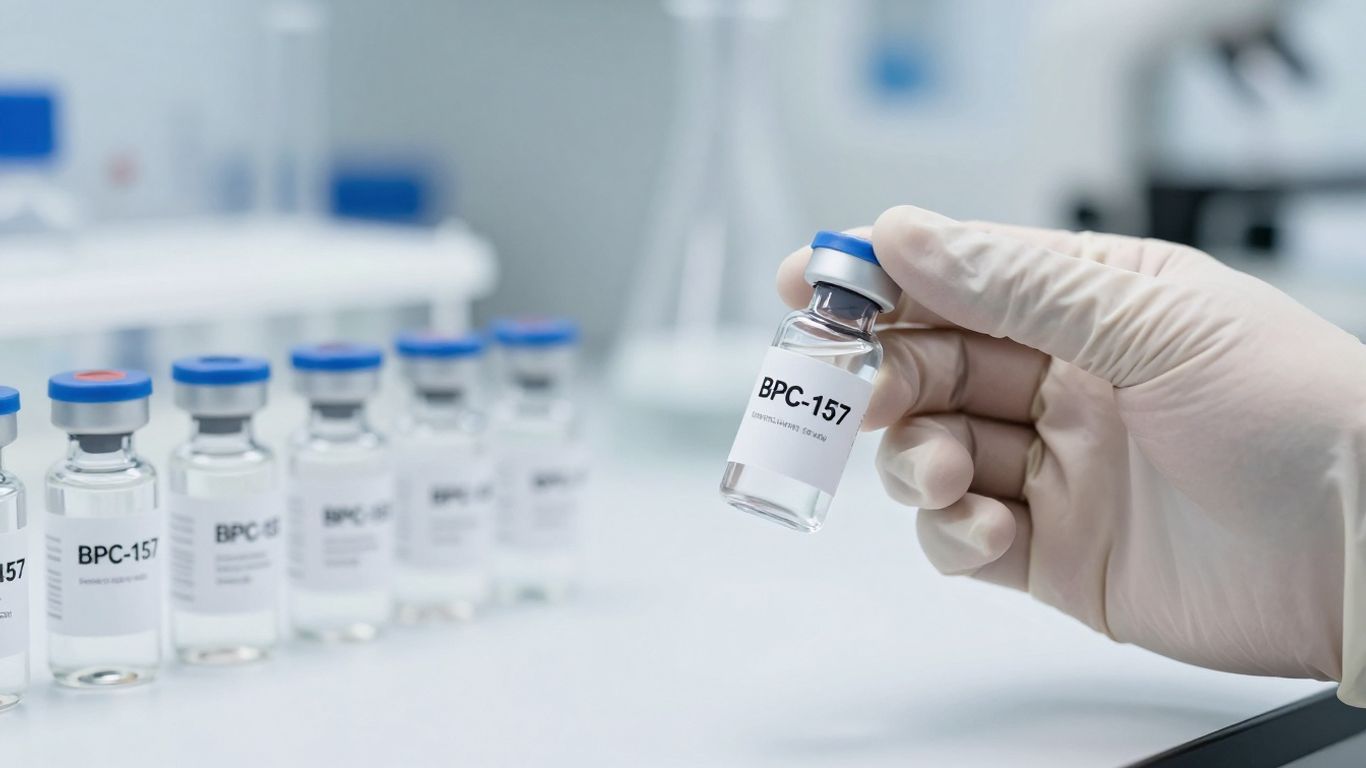
When you’re looking to buy BPC-157, it’s easy to get caught up in the price tag. But honestly, the cheapest option isn’t always the best one. Think about it ? if a product is significantly cheaper than others, there’s usually a reason. It might mean the dosage is lower than advertised, or maybe the ingredients aren’t as pure as they should be. You want to get what you pay for, right? Focusing on value means looking at the whole picture, not just the number on the price tag.
Prioritizing Value Over Price
Getting the most out of your BPC-157 purchase is about more than just finding a good deal. It’s about investing in a product that’s actually going to work and support your body. This means looking for brands that are upfront about how their product is made and what’s in it. A company that provides clear information about their sourcing and manufacturing processes is usually a good sign. They’re not trying to hide anything, and that transparency builds trust. When you choose a product based on its overall quality and the company’s reputation, you’re more likely to see the results you’re hoping for, making it a better investment in the long run.
The Risks of Suspiciously Low Prices
A price that seems too good to be true often is. When BPC-157 is priced unusually low, it can signal several problems. The product might be underdosed, meaning you won’t get the intended benefits. It could also contain fillers or impurities that aren’t listed on the label, which could be harmful. Sometimes, it’s even a sign of a counterfeit product. These issues mean you’re not only wasting money but also potentially putting your health at risk. It?s better to spend a bit more on a product from a reputable source than to save a little and get something ineffective or unsafe.
What a Certificate of Analysis Confirms
A Certificate of Analysis (COA) is your best friend when you’re trying to figure out if a BPC-157 product is worth your money. This document comes from an independent lab and tells you exactly what’s in the supplement and how much of it is there. It verifies the purity and potency of the BPC-157.
Here?s what a good COA should show:
- Purity Levels: Confirms the absence of contaminants and impurities.
- Peptide Content: Verifies the exact amount of BPC-157 present.
- Third-Party Verification: Shows that an independent lab has tested the product.
If a company doesn’t readily provide a COA, or if the COA looks questionable, it’s a big red flag. It means they might not be confident in their product’s quality, or they might be trying to hide something. Always look for a COA from a reputable, third-party testing facility to be sure you’re getting a quality product.
Getting the most out of your BPC-157 purchase is simple. Think of it like getting the best results from a study guide ? you want to use it wisely. By understanding how to properly use and store your product, you’ll be on your way to seeing the benefits you’re looking for. Ready to learn more about making the most of your investment? Visit our website today for detailed guides and tips!
Wrapping Up Your BPC-157 Search
So, we’ve gone over a lot about BPC-157, right? It’s pretty clear that finding a good source is key. You don’t want to just grab the first thing you see online. Always look for that Certificate of Analysis (COA) ? that’s your proof the stuff is legit and pure. Buying direct from the maker, like Amino Innovations, seems like the safest bet to avoid fakes or bad storage. Remember, capsules are super convenient, especially if you’re not into needles, but make sure they’re made with that stable arginine form so your body can actually use them. Keep your eyes open for brands that are honest about the science and don’t make wild promises. Your health is worth the effort to find a quality product.
Frequently Asked Questions
What is BPC-157 and why are people interested in it?
BPC-157 is a special chain of amino acids, like tiny building blocks, that your body uses. People are interested in it because studies, mostly in animals, suggest it can help your body heal itself better. It’s thought to support things like your gut, muscles, and joints, helping them recover and stay healthy.
Where is the best place to buy BPC-157 capsules?
The safest bet is to buy directly from the manufacturer’s official website or from a trusted retailer they recommend. This helps make sure you’re getting a real product and not a fake one. Always look for companies that are open about how they make their products and provide proof of quality.
How can I tell if BPC-157 capsules are good quality?
Look for a Certificate of Analysis (COA) from a third-party lab. This paper shows that the product has been tested for purity and that it contains the amount of BPC-157 listed on the label. Also, check if the company follows good manufacturing practices (cGMP) and if they use a stabilized form of BPC-157, like the Arginate version, for better absorption.
Are BPC-157 capsules or injections better?
Capsules are much easier and more convenient for most people because you don’t need needles or special mixing. They are great for general health and gut support. Injections can be used for more focused healing needs, but they are harder to use correctly and safely at home. For most users, high-quality capsules are a great choice.
What should I watch out for when buying BPC-157 online?
Be very careful of prices that seem too good to be true, as they might mean the product is weak or impure. Also, avoid companies that make wild claims or don’t provide a COA. Stick to brands that are clear about their ingredients, manufacturing, and testing. Buying from well-known, reputable sources is key.
Is it safe to take BPC-157 capsules for a long time?
While many people use BPC-157 without problems, it’s important to know that there aren’t many long-term studies in humans yet. Most of what we know comes from animal studies and people’s experiences. It’s always best to talk to a healthcare professional before starting any new supplement, especially if you plan to use it for an extended period.