
Unlock Youthful Skin: The Ultimate Guide to Peptide Facials in 2026
By Peak Haven16 min read
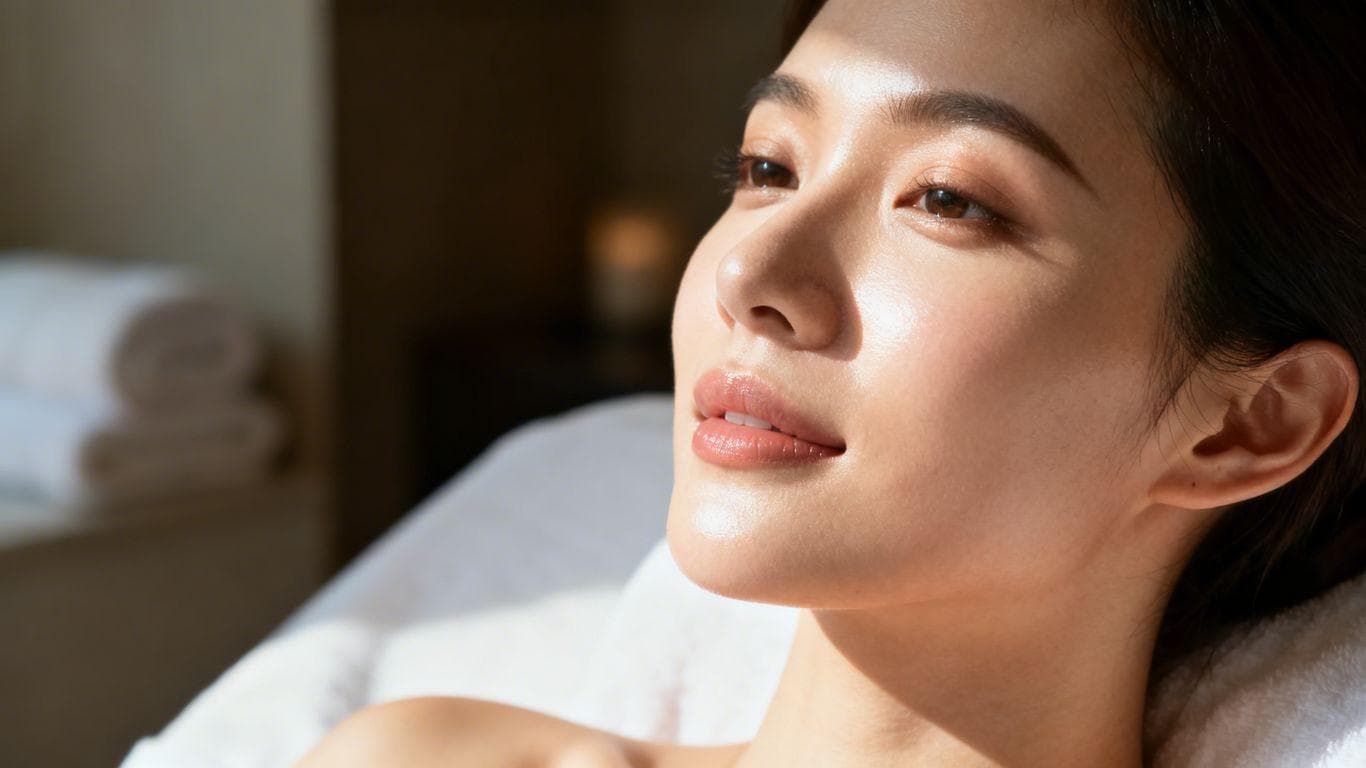
If you?ve been keeping up with skincare trends, you?ve probably heard about peptide facials and their growing popularity. In 2026, these treatments are everywhere, promising smoother skin, fewer fine lines, and a firmer look. But what?s really behind the buzz? This guide takes you through the basics of peptides, how they work, and why so many people are adding a peptide facial to their routine. Whether you?re new to skincare or just want to get the most out of your products, you?ll find clear, simple answers here?no confusing science talk, just what you need to know to help your skin look its best.
Key Takeaways
- Peptide facials use short chains of amino acids to help support your skin?s natural firmness and texture.
- There are different types of peptides?each works in its own way, from boosting collagen to helping your skin stay hydrated.
- Results from peptide facials build up over time; consistency is more important than using the strongest or most expensive product.
- Pairing peptides with ingredients like hyaluronic acid or vitamin C can help you get better, more visible results.
- Peptide facials are not a substitute for professional treatments, but they can be a smart part of a long-term skincare routine.
Understanding The Power Of Peptides
What Are Peptides And How Do They Function?
Peptides are essentially short chains of amino acids, the very building blocks that make up proteins. In the context of skincare, these tiny molecules act like messengers within your skin. They signal to your skin cells to perform specific tasks, such as producing more collagen or elastin. Think of your skin’s structure like a building; collagen and elastin are the support beams that keep it firm and elastic. Over time, these supports can weaken. Peptides step in to tell your skin cells to reinforce these structures, helping to maintain a more youthful appearance.
The Crucial Role Of Amino Acids
Everything starts with amino acids. When these amino acids link together in specific sequences, they form peptides. If these peptides then link up in longer, more complex chains, they become proteins. The precise order of amino acids in a peptide determines its function. Different arrangements create different types of peptides, each with a unique role in supporting your skin’s health and appearance. This intricate process is how your body naturally builds and maintains the proteins that give your skin its structure and resilience.
Decoding The Science Behind Peptide Skincare
When applied topically, peptides can penetrate the skin’s surface and communicate with skin cells. Different types of peptides have different jobs. Some, known as signal peptides, encourage the skin to produce more collagen. Others, like carrier peptides, help deliver essential minerals to the skin. Enzyme inhibitor peptides work to slow down the breakdown of existing collagen, while neurotransmitter-inhibiting peptides can help relax the muscles responsible for expression lines. By understanding these functions, you can better choose products that align with your specific skin concerns.
Here’s a breakdown of common peptide categories and their functions:
- Signal Peptides: These peptides act like little directors, telling skin cells to ramp up collagen and elastin production. This helps improve skin firmness and reduce the appearance of wrinkles.
- Carrier Peptides: Think of these as delivery trucks. They transport trace minerals, like copper, to where they’re needed in the skin, supporting wound healing and collagen synthesis.
- Enzyme Inhibitor Peptides: These peptides work to protect the collagen you already have. They block enzymes that break down collagen, helping to preserve the skin’s structure and firmness.
- Neurotransmitter-Inhibiting Peptides: These are often found in products targeting expression lines. They work by temporarily blocking the signals that cause muscles to contract, leading to a smoother appearance around areas like the forehead and eyes.
The effectiveness of peptide skincare lies in their ability to communicate with your skin cells, prompting them to perform functions that naturally decline with age. They are not a magic bullet, but a sophisticated tool for supporting skin health.
The Transformative Benefits Of A Peptide Facial
Achieving A Smoother, More Refined Skin Texture
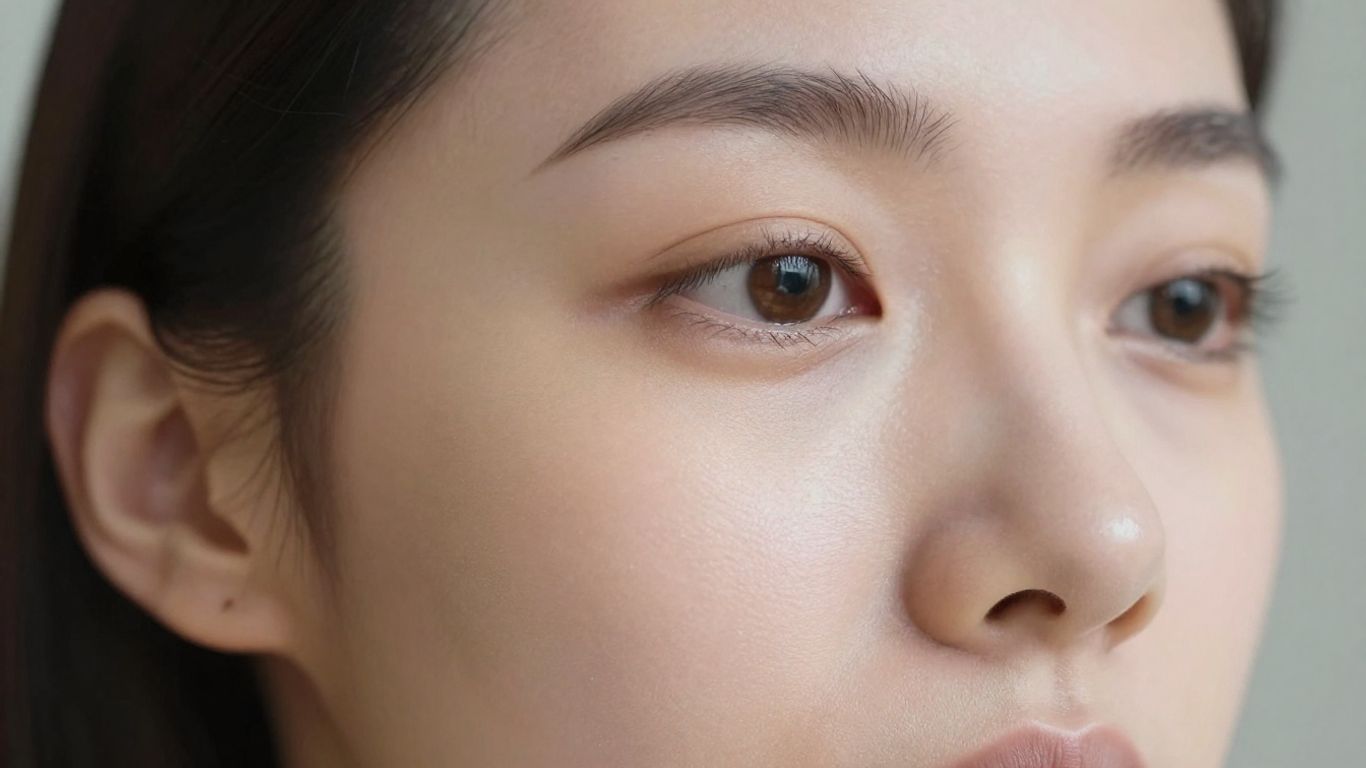
When you start using products with peptides, one of the first things you might notice is how much better your skin feels and looks. Peptides help support the skin’s natural building blocks, which can make the surface feel incredibly soft and even. If you have rough spots or unevenness, they can start to look much smoother, almost like velvet. This doesn’t happen overnight, of course. It takes consistent use, day in and day out. But over time, your skin can appear more polished and have a nice glow, making it a great base for makeup or just giving you that confident, fresh-faced look.
Enhancing Skin Firmness And Elasticity
Peptides are really well-known for helping skin look and feel firmer. Some peptides act like little messengers, telling your skin to keep up its youthful appearance and making it look more toned and supple. This is pretty important for keeping that bouncy, resilient feel we all want. A routine with peptides can help skin look more elastic, giving it a lifted and more defined appearance. This helps your whole face look younger by reducing the look of skin that seems to sag or look tired. This kind of support helps skin keep its structure, making your complexion look full and strong. It?s a good way to keep your skin looking vibrant for a long time.
Visibly Diminishing Fine Lines And Wrinkles
One of the most popular reasons people use peptides is how they can soften the look of fine lines and those little expression lines. Certain peptides can gently help relax the look of lines that appear when you move your face, like the ones around your eyes or on your forehead. The result is a smoother look with fewer creases, without needing more involved treatments. It’s a way to improve the skin’s surface for a more relaxed and calm appearance.
Peptides work by signaling your skin to behave in ways that support a more youthful look. They are not foreign substances but rather components that help your skin do its job better.
- Smoother Texture: Regular use can lead to a softer, more even skin surface.
- Firmer Appearance: Supports key proteins for a more toned and resilient look.
- Reduced Lines: Helps minimize the appearance of fine lines and expression wrinkles.
- Better Hydration: Supports the skin barrier, helping to keep moisture in for a plump look.
Exploring Different Peptide Categories
Peptides aren’t just one thing; they’re a whole family of ingredients, and each type has its own special job when it comes to skin. Knowing these different groups helps you pick out products that will actually do what you want them to. It’s like having a team of specialists working on your skin, and each one is an expert in their own area.
Signal Peptides for Collagen Support
These are like little messengers. They tell your skin cells to make more collagen and elastin. Think of collagen and elastin as the scaffolding that keeps your skin looking firm and plump. When these levels drop as we get older, skin can start to sag and lines appear. Signal peptides help to rebuild that scaffolding, making skin look and feel more resilient. You’ll often see ingredients like Palmitoyl Tripeptide-5 or Palmitoyl Pentapeptide-4 (which you might know as Matrixyl) in products designed to firm up the skin.
Carrier Peptides for Mineral Delivery
Your skin needs certain minerals, like copper, to function properly and stay healthy. Carrier peptides act like tiny delivery trucks, picking up these minerals and bringing them right where they need to go in the skin. Copper, for example, plays a role in wound healing and can help with skin repair. Ingredients like Copper Tripeptide-1 (often called GHK-Cu) fall into this category. They help support the skin’s natural repair processes and can give your complexion a brighter, more even look.
Enzyme Inhibitor Peptides for Collagen Preservation
Even if your skin is making plenty of collagen, there are enzymes in your skin that can break it down over time. Enzyme inhibitor peptides work to slow down these enzymes. This means the collagen you already have sticks around longer, helping to maintain your skin’s firmness and structure. You might find peptides derived from things like soy or rice proteins in this group, or specific ones like Trifluoroacetyl Tripeptide-2.
Neurotransmitter-Inhibiting Peptides for Expression Lines
These peptides are pretty interesting because they work a bit like a milder version of Botox. They can help to temporarily relax the muscles in your face that cause expression lines, like frown lines or crow’s feet. By gently limiting muscle movement in those specific areas, they help to smooth out the appearance of wrinkles. Acetyl Hexapeptide-8, commonly known as Argireline, is a well-known example of this type of peptide.
Understanding these different peptide types is key to choosing skincare that targets your specific concerns. It’s not just about having peptides in a product, but about having the right peptides for the job.
Here’s a quick look at the main types:
- Signal Peptides: Tell skin to make more collagen and elastin.
- Carrier Peptides: Deliver minerals like copper to skin cells.
- Enzyme Inhibitor Peptides: Help stop collagen from breaking down.
- Neurotransmitter-Inhibiting Peptides: Help relax muscles that cause expression lines.
Optimizing Your Peptide Facial Experience
Getting the most out of your peptide facial means being smart about how you choose and use your products. It?s not just about slapping on any old cream; it?s about understanding what your skin needs and how these amazing ingredients work best. Think of it like preparing a great meal ? you need the right ingredients, the right tools, and the right technique.
Choosing The Right Peptide Products For Your Skin
Not all peptide products are created equal, and what works for one person might not be the best fit for another. It?s important to look beyond just the word "peptide" on the label. Specific peptide names, like Palmitoyl Tripeptide-5 or Acetyl Hexapeptide-8, are a good sign that you?re getting targeted ingredients. The format of the product also matters. Serums are usually light and absorb fast, making them great for oily or combination skin, and they layer well under other things. If your skin is on the drier side, richer creams and lotions might feel better, as they often include extra moisturizers. Don’t forget about the delicate eye area; specialized eye creams with specific peptides can help soften the look of fine lines there.
Mastering The Application Of Peptide Serums
How you apply your peptide products can make a big difference in how well they work. Always start with clean skin. This means washing away any dirt, oil, or makeup that could block the peptides from getting in. A little trick that many people find helpful is applying peptides to slightly damp skin. After cleansing or toning, pat your skin gently so it?s not soaking wet, but still has some moisture. Skin that?s a bit damp can absorb products more effectively, kind of like a sponge ready to soak up goodness. Consistency is also key; using your peptide products every morning and night is the best way to see results over time.
Powerhouse Pairings For Enhanced Peptide Results
Peptides are fantastic on their own, but they can be even better when combined with other beneficial ingredients. Think of it as building a super-team for your skin. Pairing peptides with hyaluronic acid can boost hydration, leaving your skin feeling plump and dewy. Using a Vitamin C serum in the morning, followed by your peptide product, can help brighten your complexion and offer antioxidant protection. Niacinamide, also known as Vitamin B3, works well with peptides to support your skin’s natural barrier and improve texture. These combinations can help you reach your skin goals faster.
The journey to better skin with peptides is a marathon, not a sprint. Visible changes build up gradually with consistent use. While you might feel an immediate hydration boost, the more significant improvements in firmness and texture typically take several weeks of diligent application, usually around 4 to 12 weeks, to become noticeable. Patience and regular application are your best allies.
Here are some common pairings that can amplify peptide benefits:
- Hyaluronic Acid: For a major hydration boost and plumper-looking skin.
- Vitamin C: To brighten, protect against environmental damage, and support collagen.
- Niacinamide: To improve skin texture, reduce redness, and strengthen the skin barrier.
- Retinoids: When used carefully and on alternate nights, retinoids can work alongside peptides to promote cell turnover and improve skin’s overall appearance. Always introduce retinoids slowly to avoid irritation. You can explore different personal wellness routines to see how peptides fit into a broader self-care plan.
Dispelling Common Peptide Myths
The world of skincare is absolutely buzzing about peptides, but whenever an ingredient gets this popular, a lot of confusion and misinformation tags along for the ride. It?s easy to get lost in the noise of exaggerated claims and honest misunderstandings. Let’s clear the air. Setting the record straight is important if you want to add the beautifying power of peptides to your routine with confidence and realistic expectations. Understanding the truth behind the hype helps you appreciate what these ingredients can really do for your skin’s appearance.
Peptides Are Not A Replacement For Professional Procedures
While certain peptides are known for their ability to smooth the look of expression lines, it’s really important to keep expectations in check. Topical skincare products work on the surface of the skin to improve its appearance. They are not, and should not be considered, an at-home substitute for cosmetic procedures performed by a licensed expert. Peptides are powerful tools in your cosmetic arsenal for maintaining a beautiful, youthful-looking complexion. They can absolutely complement and support the results of professional treatments, but they operate in a completely different way. Think of peptides as part of your daily fitness routine for your skin, whereas a procedure is more like a specialized session with a personal trainer. For those considering more intensive treatments, understanding the facts about cosmetic dermal fillers can help ensure safer outcomes [5c01].
More Peptides Are Not Always Better
It might seem logical to assume that a product packed with dozens of different peptides would be the holy grail, but that’s not necessarily true. Skincare formulation is a precise science where synergy and concentration matter far more than just sheer quantity. A well-crafted formula will use a select few peptides at effective, clinically studied concentrations. These peptides are often chosen because they work beautifully together to achieve a specific outcome. Flooding the skin with too many different types can actually be less effective than using a targeted, thoughtfully formulated product. So, instead of getting wowed by a long list of peptides on the ingredient panel, focus on the quality and the specific actives that are right for you.
Realistic Expectations For Peptide Treatments
In our world of instant gratification, it’s so tempting to want immediate changes from a new skincare product. But when it comes to peptides, patience isn’t just a virtue?it’s a necessity. Peptides aren’t a quick fix; they’re ingredients that work their magic cumulatively over time. They function by supporting your skin’s own natural processes, and that requires consistency. While you might notice some hydrating effects right away, the more significant visible improvements?like a firmer appearance and smoother texture?typically require 4 to 12 weeks of diligent, twice-daily use. The beautifying effects of peptides are built on a foundation of consistent, long-term application. They are designed to support your skin’s appearance gradually, not deliver dramatic, overnight transformations. This commitment is key to achieving a complexion that looks truly radiant and revitalized.
The visible peptides for skin benefits don’t happen overnight; they’re cumulative. To see the best results, you have to be consistent. Use your product every morning and night as a non-negotiable part of your skincare ritual.
Here’s a quick look at how different peptide types work:
- Signal Peptides: These communicate with skin cells to encourage collagen and elastin production, leading to a firmer look.
- Carrier Peptides: They act as delivery systems, bringing essential minerals like copper to the skin to support its overall appearance.
- Enzyme Inhibitor Peptides: These help slow down the breakdown of existing collagen, preserving the skin’s firmness.
- Neurotransmitter-Inhibiting Peptides: These work to relax the look of expression lines, contributing to a smoother appearance.
The Future Of Peptide Facials In 2026
Peptide Serums As A Botox Alternative
It feels like everywhere you look these days, peptides are being talked about, especially those that act a bit like Botox. By mid-2025, searches for these kinds of serums really took off. People are looking for ways to smooth out lines without needles, and certain peptides can help relax the look of facial muscles. This means you can get a softer, more rested appearance right from your own bathroom. It?s a gentler approach that works on the skin?s surface to make expression lines less noticeable. Think of it as a way to keep your skin looking fresh and calm, especially in areas where you tend to frown or squint.
The Rise Of Gentle, Sustained Delivery Systems
We’re seeing a shift towards skincare that’s not just effective but also kind to your skin. This means new ways of getting peptides into your skin that are gentle and work over time. Instead of a big hit all at once, these systems release peptides slowly. This helps your skin use them better and reduces the chance of irritation. It?s like giving your skin a steady supply of building blocks rather than a huge delivery that might overwhelm it. This careful approach means you can use peptide products more consistently, leading to better long-term results for firmness and smoothness.
Holistic Approaches To Youthful Skin
Looking good isn’t just about what you put on your face; it’s about your whole body. In 2026, the focus is broadening to include how things like diet, sleep, and even supplements can help your skin look younger. Peptides are a big part of topical skincare, but they work even better when you support your skin from the inside out. This means thinking about your overall health and how it reflects on your complexion. A well-hydrated body and a strong skin barrier, which peptides help with, contribute to skin that looks plump and bright. It?s about combining smart skincare with a healthy lifestyle for a truly radiant look.
The skincare market for peptides alone is growing fast, showing that people are seeing real results. By 2025, it was already worth over $100 million and keeps going up. This tells us that science-backed ingredients that give visible improvements are what people want. It?s not just about looking younger; it?s about having healthier, more resilient skin that feels good too.
Get ready for amazing skin in 2026! Peptide facials are becoming super popular, and they’re going to be even bigger next year. These treatments use tiny protein pieces to help your skin look younger and healthier. Want to know more about how they work and what to expect? Visit our website to discover the latest trends and find the best peptide facial for you!
Your Journey to Youthful Skin Continues
So, we’ve talked a lot about peptides and how they can really help your skin look its best. They’re not some magic bullet, but when you use them right, they do some pretty great things for firmness, smoothness, and hydration. Remember, it’s all about being consistent with your routine and picking products that actually work for you. Don’t forget to look at the ingredients and maybe even pair them with other good stuff like hyaluronic acid or vitamin C. Think of peptide facials and products as a smart way to support your skin’s natural abilities, helping you keep that youthful glow for longer. It?s a solid step in looking after your skin, and honestly, it feels good to know you?re giving it what it needs.
Frequently Asked Questions
What exactly are peptides and how do they help my skin?
Think of peptides as tiny messengers made of building blocks called amino acids. When these amino acids link up, they form proteins like collagen, which keeps your skin firm and bouncy. Peptides in skincare help tell your skin cells to make more of these important proteins, which can lead to smoother, firmer skin over time.
How long will it take to see changes in my skin after using peptide products?
Seeing results from peptides isn’t usually an overnight thing. It takes consistent use, meaning applying your peptide products every morning and night. You might start noticing your skin feels softer and looks a bit brighter within a few weeks. For more noticeable changes, like smoother fine lines and firmer skin, it often takes a few months of regular use.
Can I use peptide products with other skincare ingredients like Vitamin C or hyaluronic acid?
Yes, absolutely! Peptides work really well with many other skincare ingredients. Pairing them with something like hyaluronic acid can boost hydration, making your skin look plump. Using Vitamin C alongside peptides can help brighten your skin and protect it from damage. Just make sure to introduce new products gradually.
Are peptide serums a good alternative to treatments like Botox?
Some peptides, like those that help relax the look of expression lines, are sometimes called ‘topical Botox’ because they can soften lines without needles. While they can make wrinkles look less obvious, they work differently and are not as powerful as professional injections. They are a great option for gentle improvement and maintaining results, but they don’t replace the effects of procedures like Botox.
Do I need a lot of different peptides in a product to get good results?
Not necessarily. Having a product with too many different peptides might not be better. The most important thing is the quality of the peptides used and how they are put together in the formula. A well-made product with a few key peptides at the right amounts can be more effective than one that just lists a long string of peptide names.
Besides using peptide products, what else can I do for youthful-looking skin?
Taking care of your skin involves more than just products. Eating a healthy diet, staying hydrated by drinking plenty of water, getting enough sleep, and protecting your skin from the sun with sunscreen are all super important. These habits work together with your skincare routine to help your skin look its best and stay healthy from the inside out.