
Retatrutide Shows Remarkable Efficacy in Weight Loss, Knee Pain, and Liver Fat Reduction
By Peak Haven||2 min read
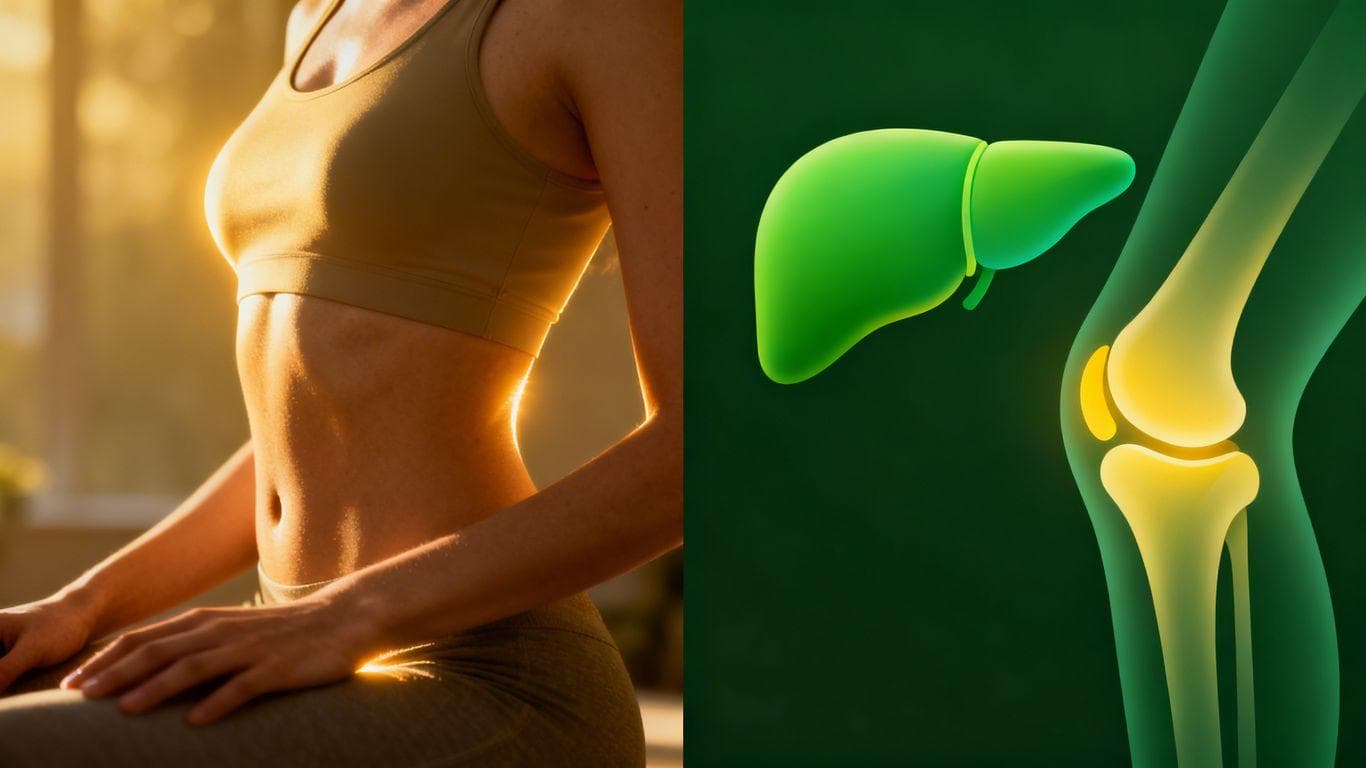
Eli Lilly’s novel drug, retatrutide, a triple hormone receptor agonist, has demonstrated significant success in clinical trials, offering substantial weight loss and alleviating debilitating knee pain. The drug also shows promise in reducing liver fat in obese patients and improving cardiovascular risk factors.
Key Takeaways
- Retatrutide achieved an average weight loss of 28.7% (71.2 pounds) over 68 weeks in Phase 3 trials.
- Participants experienced a 75.8% reduction in knee osteoarthritis pain, with some becoming pain-free.
- Over 85% of obese participants with fatty liver disease saw reduced liver fat, with many no longer meeting the criteria for the condition.
- The drug improved lipid profiles and reduced markers of cardiovascular risk.
Dual Benefits for Obesity and Osteoarthritis
In the Phase 3 TRIUMPH-4 trial, retatrutide helped participants lose an average of 28.7% of their body weight, equivalent to 71.2 pounds, over 68 weeks. Crucially, this significant weight reduction was accompanied by a remarkable 75.8% improvement in knee osteoarthritis pain scores. More than 12% of patients on the highest dose became completely free from knee pain, offering a new hope for individuals struggling with the dual burden of obesity and chronic pain.
Tackling Fatty Liver Disease
Further research highlighted retatrutide’s impact on metabolic dysfunction-associated steatotic liver disease (MASLD), commonly known as fatty liver disease. In a clinical trial involving obese patients with MASLD, over 85% experienced a reduction in liver fat to levels that would no longer classify them as having the condition. This suggests retatrutide could be a vital therapy for preventing the progression of liver disease associated with obesity.
Cardiovascular and Metabolic Improvements
Beyond weight and liver health, retatrutide has shown positive effects on cardiovascular risk factors. Phase II trial results presented at ESC 2024 indicated that retatrutide significantly improved lipid profiles, reducing non-HDL cholesterol, apolipoprotein B, and triglycerides. The drug also lowered systolic blood pressure, potentially decreasing the risk of heart disease and stroke.
Mechanism of Action and Side Effects
Retatrutide’s unique triple-agonist mechanism targets receptors for GIP, GLP-1, and glucagon, simultaneously regulating metabolism, appetite, and blood sugar. This multi-faceted approach distinguishes it from existing weight-loss medications. Common side effects, similar to other incretin-based drugs, include nausea, diarrhea, and constipation, which were generally mild and rarely led to discontinuation.
Future Prospects
Eli Lilly anticipates further Phase 3 trial results in 2026, with the potential for retatrutide to become a significant treatment option for a range of conditions linked to obesity. The comprehensive clinical trial program is evaluating retatrutide’s efficacy across obesity, type 2 diabetes, obstructive sleep apnea, knee osteoarthritis, and liver disease.
Sources
- Drug melts 71 pounds while ending crippling knee pain, Rolling Out.
- Retatrutide wiped out fat in liver of obese patients, VCU Health.
- ESC 2024: Retatrutide improves lipid and cardiovascular risk profile in Phase II trial, Clinical Trials Arena.
- Incretin triple agonist retatrutide (LY3437943) alleviates obesity-associated cancer progression, Nature.