
Retatrutide Frenzy: Fitness Community Buzzes Over Promising New Weight-Loss Peptide
By Peak Haven||2 min read

The fitness and online communities are abuzz with excitement over retatrutide, a novel weight-loss peptide developed by Eli Lilly. While still in clinical trials and not yet FDA-approved, early data suggests it could be a significant advancement in obesity treatment, even surpassing existing GLP-1 agonists in efficacy.
Key Takeaways
- Retatrutide is a triple agonist, targeting three receptors (GLP-1, GIP, and glucagon) for enhanced weight loss.
- Early clinical trials show significant body weight reduction, potentially exceeding that of bariatric surgery.
- The drug appears to preserve lean muscle mass better than previous weight-loss medications.
- Despite its potential, retatrutide is not yet approved and is being accessed through unregulated channels, posing safety risks.
What is Retatrutide?
Retatrutide, also known as "reta," is a groundbreaking drug designed to combat obesity. Unlike previous medications that target one or two receptors involved in appetite and blood sugar regulation, retatrutide uniquely targets three: GLP-1, GIP, and glucagon. This multi-receptor approach allows it to tackle weight loss through various pathways simultaneously, including influencing the liver and fat tissue more directly. Experts are framing it as a significant leap forward in weight management.
The Online Hype and Gray Market
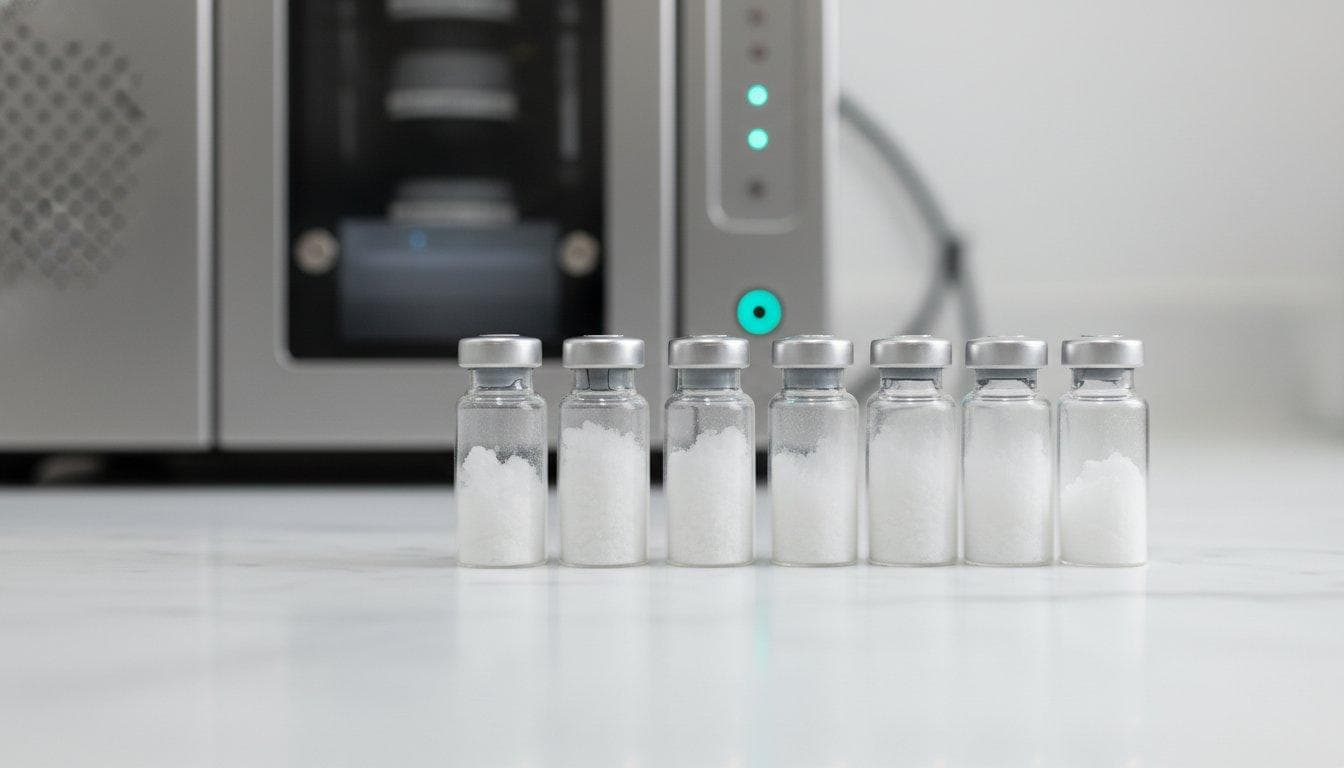
Despite retatrutide not being available through legitimate medical channels, it has gained considerable traction online, particularly within fitness and "bio-hacker" communities. Influencers and early adopters are sharing their experiences on platforms like TikTok, YouTube, and Reddit, often purchasing the substance from research labs online. These unregulated sources sell the compound with a disclaimer that it is "not for human consumption," leading to a "gray market" where individuals self-medicate, mix their own dosages, and share advice on how to obtain and use the drug.
Why the Excitement?
Retatrutide’s appeal stems from its remarkable efficacy shown in early clinical trials. Studies suggest it can lead to greater percentage decreases in total body weight compared to other GLP-1 therapies and even some surgical procedures. Crucially, it appears to achieve this significant weight loss without a disproportionate loss of lean muscle mass, a common concern with rapid weight reduction. Beyond weight loss, retatrutide is also being investigated for potential benefits in treating other conditions, such as metabolic-associated liver disease and osteoarthritis.
Safety Concerns and Regulatory Status
Medical professionals strongly caution against using retatrutide outside of approved clinical trials. The drug has not received FDA approval, meaning doctors cannot legally prescribe it, and pharmacies cannot sell it. Individuals obtaining retatrutide through unofficial channels risk receiving inconsistently dosed or contaminated products, potentially leading to serious side effects like nausea, constipation, and dangerously low blood pressure. Regulatory bodies and the manufacturer, Eli Lilly, have issued warnings against using any product claiming to be retatrutide for human use outside of sanctioned trials.
The Future of Weight-Loss Medication
While the current situation highlights the risks of unregulated drug access, the promise of retatrutide is undeniable. If approved, it could represent a significant advancement in treating obesity and related conditions. However, the current online frenzy underscores a growing demand for effective weight-management solutions and a gap between mainstream medicine and the wellness culture, where individuals are increasingly seeking cutting-edge treatments, sometimes before they are fully vetted and approved.