
Retatrutide: Eli Lilly’s Groundbreaking Weight Loss Drug Shows Unprecedented Efficacy, But Unapproved Use Raises Concerns
By Peak Haven3 min read
Eli Lilly’s experimental weight loss drug, retatrutide, has demonstrated remarkable results in its first late-stage clinical trial, achieving the highest weight loss percentages seen to date and offering potential benefits beyond weight management, including pain relief. However, the drug’s growing popularity in unapproved, "gray market" channels, particularly within fitness communities, is raising significant safety and regulatory concerns.
Key Takeaways
- Retatrutide achieved an average weight loss of 23.7% to 28.7% in a 68-week trial, surpassing existing treatments.
- The drug also significantly reduced knee osteoarthritis pain, with some participants becoming pain-free.
- Despite promising clinical data, retatrutide is not yet FDA-approved, leading to its illicit sale and use.
- Concerns are mounting over the safety and efficacy of unapproved versions of the drug circulating online.
Promising Clinical Trial Results
Eli Lilly’s retatrutide, dubbed a "triple G" drug for its action on three hunger-regulating hormones (GLP-1, GIP, and glucagon), has shown exceptional efficacy in its initial late-stage study. The highest dose of the drug led to an average body weight loss of 23.7% for all participants and an impressive 28.7% for those who remained on the treatment for 68 weeks. This level of weight loss rivals that of bariatric surgery, according to experts.
Beyond its weight loss capabilities, retatrutide also met a secondary goal in the trial by reducing pain associated with knee osteoarthritis. Participants experienced an average reduction in pain of up to 62.6%, with over 12% reporting complete freedom from knee pain by the study’s end. This dual benefit of weight reduction and pain relief positions retatrutide as a potentially transformative therapy.
Side Effects and Tolerability
While the results are largely positive, retatrutide is not without its side effects. Approximately 18% of patients on the highest dose discontinued treatment due to adverse events, compared to 4% in the placebo group. Nausea, diarrhea, and vomiting were common, affecting a significant percentage of participants. Some patients also experienced dysesthesia, an unpleasant nerve sensation, though it was generally mild and rarely led to discontinuation. Experts note that tolerability data appears somewhat worse than for Eli Lilly’s existing drug, Zepbound, though this is not entirely unexpected given retatrutide’s potent mechanism.
The Rise of the Gray Market
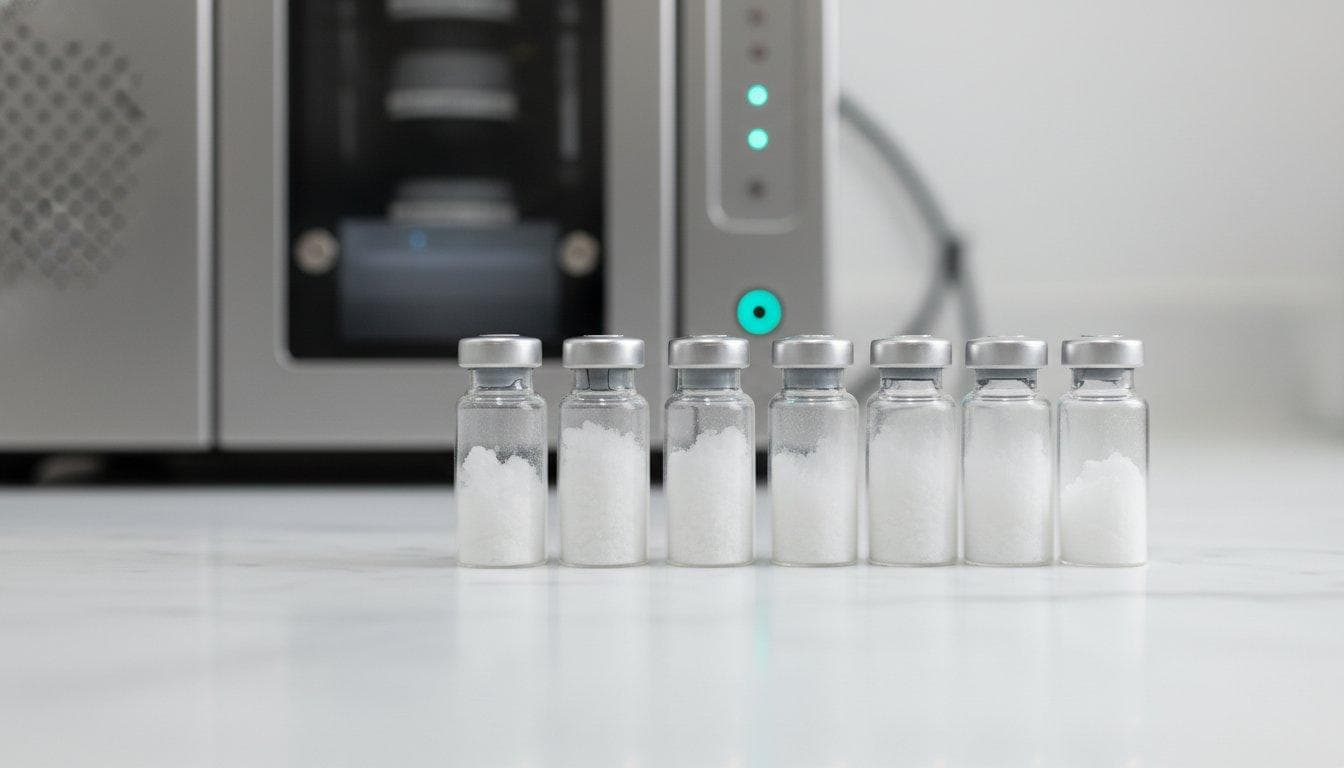
Despite retatrutide not being approved by the FDA, it has gained considerable traction in online fitness and bodybuilding communities. Individuals are purchasing substances labeled as "retatrutide" from research chemical suppliers, which are legally permitted to sell compounds for research purposes only, not for human consumption. These users often self-administer the drug, sharing their experiences and results on social media platforms like TikTok and Instagram.
This burgeoning "gray market" is driven by a desire for rapid weight loss and body composition changes, with users claiming retatrutide helps shed fat while preserving lean muscle mass. However, regulatory bodies and pharmaceutical companies are issuing strong warnings. Eli Lilly has stated that anyone selling retatrutide for human use is breaking the law and that individuals should not take any substance claiming to be retatrutide outside of a clinical trial. The FDA is actively working to combat counterfeit and unapproved drugs, but the unregulated nature of these online sales makes enforcement challenging.
Future Outlook
Eli Lilly is continuing to conduct several more late-stage trials for retatrutide, with results expected by the end of 2026. The company is betting heavily on this drug to maintain its market leadership in the rapidly expanding obesity drug market, estimated to be worth around $100 billion by the 2030s. While the clinical data is highly promising, the emergence of an unapproved market highlights the urgent need for regulatory oversight and consumer education to ensure patient safety.
Sources
- Eli Lilly’s weight loss drug retatrutide clears first late-stage study, CNBC.
- Eli Lilly’s Retatrutide: Gym Goers Are Taking Knock Offs Before Launch, Business Insider.
- Eli Lilly’s Most Promising Weight Loss Drug May Come With a Surprising Benefit: Pain Relief, The Motley Fool.
- Eli Lilly’s Most Promising Weight Loss Drug May Come With a Surprising Benefit: Pain Relief, Finviz.
- Next-generation obesity drug?delivers promising results, The Independent.