
GHK CU Peptide Injection: Real Before and After Pictures & Results
By Peak Haven15 min read
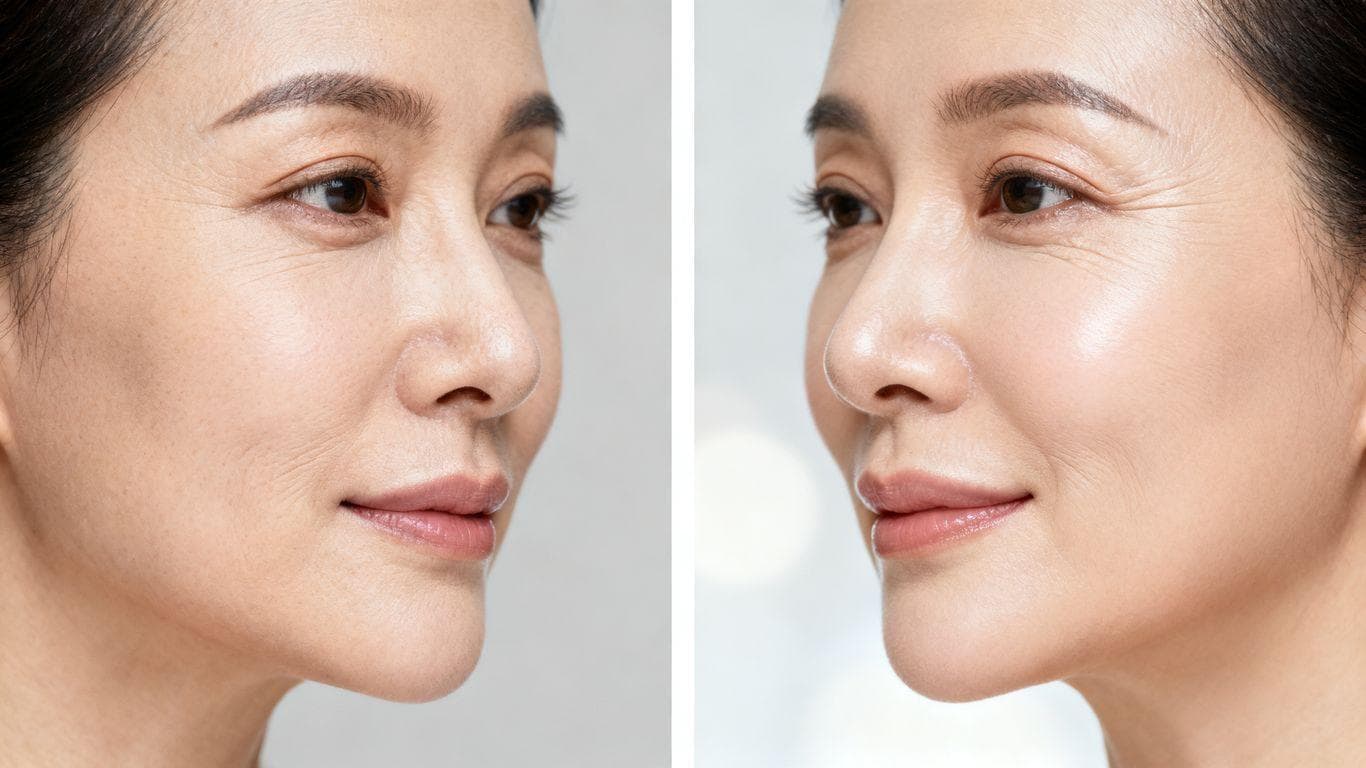
Many people hear about GHK-Cu peptide injections and immediately think of those dramatic before-and-after photos flooding social media. It’s easy to get caught up in the hype, expecting overnight transformations. But the truth about GHK-Cu peptide injection before and after pictures is a bit more complex, involving a deeper look at how this peptide actually works. It’s not magic, but it is science-backed regeneration that can lead to real, noticeable changes over time. Let’s break down what you can realistically expect.
Key Takeaways
- GHK-Cu is a natural copper peptide that decreases with age, and supplementing it can help restore skin and hair health.
- Visible skin improvements from GHK-Cu injections usually start showing up around 4-8 weeks, with continued progress over 12 weeks.
- Hair regrowth with GHK-Cu takes at least 8-12 weeks because it works with the natural hair growth cycle.
- Injecting GHK-Cu is generally more effective than using it topically for noticeable results.
- It’s important to have realistic expectations; GHK-Cu helps rebuild skin and hair over time, rather than providing instant fixes.
Understanding GHK-Cu Peptide Injections
What is GHK-Cu Copper Peptide?
GHK-Cu, or glycyl-L-histidyl-L-lysine-copper, is a naturally occurring complex found in human plasma and saliva. It’s essentially a small protein fragment, a tripeptide, that’s bound to a copper ion. This peptide plays a significant role in the body’s natural repair processes. Think of it as a signaling molecule that tells your cells to get to work repairing damage and rebuilding tissue. Its presence is vital for maintaining healthy skin and promoting wound healing.
The Science Behind GHK-Cu’s Regenerative Properties
The magic of GHK-Cu lies in its ability to interact with your cells and influence their behavior. It’s known to stimulate the production of collagen, a protein that gives your skin its structure and elasticity. It also helps in the synthesis of other important proteins like elastin and glycosaminoglycans, which are key for skin hydration and firmness. Beyond collagen, GHK-Cu has been shown to promote the creation of new blood vessels and has antioxidant and anti-inflammatory effects. It can even influence gene expression, encouraging cells to behave in a more youthful, regenerative manner. This broad action makes it quite unique in its ability to support tissue repair and rejuvenation. Some research even suggests it can help improve the expression of tight junction proteins, which are important for maintaining the integrity of tissues [97f5].
Why GHK-Cu Levels Decline With Age
As we get older, our bodies naturally produce less GHK-Cu. Studies show a significant drop in GHK-Cu levels starting around age 20, with levels continuing to decrease as we age. By the time someone reaches their 60s, their GHK-Cu levels can be as much as 60% lower than in their 20s. This decline is thought to contribute to many signs of aging, such as reduced skin elasticity, slower wound healing, and increased inflammation. Restoring these levels, whether through injections or other methods, is seen as a way to bring back some of the body’s youthful repair capabilities. This decline isn’t just about skin; it affects overall tissue health and repair mechanisms throughout the body.
The body’s natural supply of GHK-Cu diminishes with age, impacting its ability to repair and regenerate tissues effectively. Supplementing these levels can help support the body’s inherent healing processes.
Here’s a look at how GHK-Cu levels change:
- Age 20s: Baseline levels, optimal tissue repair.
- Age 40s: Noticeable decrease, repair processes may slow.
- Age 60s: Significantly reduced levels, contributing to visible aging signs.
This reduction means that the body’s capacity for self-repair and maintenance is less efficient as we age, making interventions like GHK-Cu injections a point of interest for those seeking to support their body’s regenerative functions [16f5].
GHK-Cu Injection Results: Skin Transformation Timeline
If you’re expecting to look a decade younger in just a couple of weeks, you might want to adjust those expectations. The real magic of GHK-Cu injections unfolds gradually, working with your body’s natural processes. Think of it less like a quick fix and more like a long-term investment in your skin’s health.
Early Signs: Weeks One to Two
During the initial phase, changes might be subtle. Some individuals report a feeling of increased hydration and a slight improvement in skin texture. You might notice that any redness or minor inflammation seems to calm down a bit faster, thanks to GHK-Cu’s anti-inflammatory properties. It’s a gentle start, laying the groundwork for more noticeable changes to come. While dramatic shifts aren’t common this early, these initial positive responses are a good sign that the peptide is beginning to work. You might start to see smoother, more even skin appearing.
Visible Improvements: Weeks Four to Six
Around this time, you’ll likely start seeing more definite results. Skin might feel firmer, and you could notice a reduction in the appearance of fine lines, especially around the eyes and mouth. The overall tone of your skin may look more even, and if you had any minor blemishes or areas that needed healing, you might find they’ve cleared up more quickly. This period marks the completion of the first collagen remodeling cycle, and the effects become more apparent.
Significant Changes: Weeks Eight to Twelve
By the two-to-three-month mark, the improvements become more significant. Deeper wrinkles may appear softened, and your skin’s collagen density continues to increase. In clinical settings, improvements in skin thickness have been observed. You’ll likely notice a sustained reduction in skin laxity, contributing to a more youthful and resilient appearance. These changes reflect ongoing tissue regeneration and a rebuilding of the skin’s structural support.
Long-Term Skin Quality Enhancement
Beyond twelve weeks, the benefits of GHK-Cu injections continue to develop. The improvements seen are not just superficial; they relate to the overall quality and resilience of your skin tissue. While GHK-Cu won’t erase severe wrinkles or significant volume loss on its own, it works to improve the skin’s fundamental structure. This leads to a healthier, more vital look that goes beyond what fillers or lasers can achieve alone. The process is about rebuilding dermal architecture, resulting in lasting improvements in skin health and appearance.
GHK-Cu Injection Results: Hair Follicle Rejuvenation
When it comes to hair, GHK-Cu injections offer a promising avenue for rejuvenation by directly influencing the hair growth cycle. It’s not about magic overnight cures, but rather about supporting your body’s natural processes to encourage healthier, fuller hair.
Stimulating Hair Follicles for Growth
GHK-Cu works on multiple fronts to wake up dormant or weakened hair follicles. It’s thought to improve blood flow to the scalp, which is pretty important for delivering nutrients and oxygen to where they’re needed most. Plus, it seems to help reduce inflammation around the follicles, creating a better environment for them to thrive. This peptide can signal stem cells within the follicles to start producing new hair.
Extending the Anagen Growth Phase
One of the key ways GHK-Cu helps is by influencing the different stages of hair growth. The anagen phase is the active growth period for your hair. GHK-Cu appears to help prolong this phase, meaning your hair stays in the growth stage for longer. It also seems to shorten the catagen (transition) and telogen (resting) phases, which can lead to less shedding and more hair on your head. This shift helps to increase overall hair density and length over time.
Realistic Hair Regrowth Timelines
It’s important to set realistic expectations when using GHK-Cu for hair. Because you’re working with the natural hair growth cycle, significant changes don’t happen overnight. You’ll likely start noticing less shedding within the first 4-8 weeks. Visible new growth and increased thickness often become apparent between 8-16 weeks. For the most substantial improvements in density and coverage, many people find that consistent use for 6 months or longer yields the best results. It’s a process of rebuilding and strengthening, not a quick fix. If you’re looking for a guide on what to expect, this resource on GHK-Cu hair growth transformations can offer some insight.
Remember, GHK-Cu is about restoring the health of your existing follicles. If follicles have been completely inactive for a very long time, they may not respond. However, for those with miniaturized but still viable follicles, GHK-Cu can be a powerful tool.
Here’s a general timeline to keep in mind:
- Weeks 4-8: Reduced hair shedding, existing hairs may appear thicker, scalp feels healthier.
- Weeks 8-16: Noticeable new hair growth, particularly in areas that were thinning. Overall density starts to improve.
- Months 4-6+: Continued thickening and increased coverage. Hair appears fuller and more robust.
While topical applications can offer some scalp benefits, injections are often considered more effective for targeting hair follicle rejuvenation due to better bioavailability. For those interested in the broader applications and benefits of GHK-Cu, understanding its real advantages is key.
Comparing GHK-Cu Delivery Methods
When you’re looking into GHK-Cu, you’ll quickly find there isn’t just one way to use it. The method you choose really matters for what you’re trying to achieve, whether it’s for your skin or your hair. It’s not a one-size-fits-all situation.
Injectable GHK-Cu vs. Topical Applications
Think of it like this: injectables go straight to the source, offering a much higher concentration where it’s needed. This means they can get to work on deeper issues, like significant wrinkles or thinning hair, more effectively. The science shows that injectable forms can reach tissue concentrations many times higher than what you’d get from a cream. This makes them a top choice for more serious concerns. On the other hand, topical applications are great for day-to-day upkeep and preventing minor issues. They’re easy to use and generally have fewer side effects, making them a good starting point for many people. The choice really boils down to your specific goals and how much of an impact you’re looking for. This analysis explores injectable peptide therapy for skin health, comparing it to consumer perceptions of topical peptide serums.
Optimizing Delivery for Skin and Hair Concerns
Getting GHK-Cu to where it needs to be is key. For skin, injecting it directly into areas you want to improve, like your face or neck, can make a big difference. Sometimes, a combination approach works best, using injections along with topical treatments for a broader effect. For hair, it gets a bit more involved. Many find that a combination of systemic injections, scalp microneedling, and topical application works best to really get those hair follicles stimulated. It’s about hitting the problem from multiple angles.
- For Skin: Direct injection into problem areas or a mix of injection and topical use.
- For Hair: Systemic injection combined with scalp microneedling and topical application.
- For General Well-being: Troches (dissolvable lozenges) offer a middle ground, providing systemic benefits without injections.
The Importance of Pharmaceutical-Grade GHK-Cu
No matter how you plan to use GHK-Cu, one thing is super important: the quality of the product. You absolutely need to make sure you’re getting pharmaceutical-grade GHK-Cu. This means it’s made to high standards, free from contaminants, and synthesized correctly. Using a low-quality product won’t just mean you won’t see results; it could actually cause problems. It’s worth spending a bit more to know you’re getting something safe and effective. Always talk to a doctor who knows about peptide therapy to make sure you’re on the right track and using the best product for your needs. The optimal choice depends on individual needs and desired outcomes.
Sourcing matters a lot. If the GHK-Cu isn’t made right, it won’t work and could even be harmful. Always check that you’re getting a quality product from a reliable source, especially when considering injections.
Real-World GHK-Cu Injection Before and After
Seeing is believing, right? When it comes to GHK-Cu peptide injections, the visual evidence really tells a story. It?s not just about what the science says; it?s about what people actually experience and how their skin and hair transform over time. Most folks start looking for changes within a few weeks, but the real, lasting improvements usually take a bit longer to show up. It?s a process, not an overnight fix.
Case Study: Enhanced Skin Tone and Plumpness
Many users report a noticeable difference in their skin’s overall appearance after about 4 to 6 weeks of consistent GHK-Cu injections. The skin often looks more even-toned, and that subtle plumpness starts to return. It?s like the skin gets a bit more life back into it. This isn’t about dramatic, artificial plumping, but rather a restoration of healthier, more resilient skin tissue. You might find that minor imperfections and redness begin to fade, contributing to a smoother, more radiant complexion. The key is that these changes are built on actual tissue repair and collagen support.
Case Study: Reduced Fine Lines and Increased Glow
As the weeks roll on, typically between 8 and 12 weeks, users often start seeing a reduction in fine lines and wrinkles. Areas around the eyes and mouth, which tend to show aging first, can appear smoother. It?s not just about erasing lines, though; there?s often a return of that healthy, youthful glow. This comes from improved skin quality and better light reflection off a smoother surface. It?s the kind of change that makes you look refreshed and well-rested, even if you haven’t been.
Visualizing Collagen Remodeling and Skin Resilience
What’s happening under the surface is pretty amazing. GHK-Cu signals the body to produce more collagen and elastin, the building blocks of firm, youthful skin. Over time, this leads to thicker, more elastic skin that can better withstand daily stressors. Think of it as rebuilding the skin’s internal scaffolding. This process takes time, which is why consistent use over several months yields the most impressive results. It?s about improving the skin’s fundamental structure, not just its surface appearance. The improvements in skin quality over a treatment cycle are measurable, contributing to a more robust skin barrier.
The journey with GHK-Cu injections is one of gradual but significant improvement. It?s important to have realistic expectations, understanding that true skin regeneration and hair follicle rejuvenation are biological processes that require patience and consistency. The results are not instantaneous, but the underlying improvements in tissue health are what lead to lasting visible changes.
Here?s a general timeline of what you might observe:
- Weeks 1-2: Minimal visible changes, though some users report reduced inflammation or redness.
- Weeks 4-6: Noticeable improvements in skin firmness, a reduction in fine lines, and enhanced skin tone evenness.
- Weeks 8-12: More significant reduction in deeper wrinkles, increased skin thickness, and sustained improvement in skin laxity.
- Months 4-6+: Continued thickening and coverage improvement, especially for hair, and overall enhanced skin resilience. GHK-Cu peptide results for skin typically emerge within 4-8 weeks.
It’s worth noting that the effectiveness of GHK-Cu is well-documented for its role in tissue repair and improving skin firmness and elasticity. It plays a role in wound healing and tissue repair, contributing to measurable improvements in skin quality over a treatment cycle.
Safety and Considerations for GHK-Cu Injections
When thinking about GHK-Cu injections, it’s smart to go over the safety stuff and what you need to keep in mind. Most people do pretty well with these injections, but like anything, there are things to be aware of.
Understanding Potential Side Effects
Generally, GHK-Cu is considered safe, especially when you’re using pharmaceutical-grade products. The most common issues are usually mild and pop up right where the injection happened. Think a little redness, maybe some itching, or slight irritation. These tend to clear up on their own within a day or two. Some folks might notice a temporary skin purge, like a few more breakouts or a bit of sensitivity, especially in the first few weeks. This is often a sign that the skin is actively remodeling itself.
- Mild redness at the injection site
- Temporary itching or irritation
- Possible short-term skin purging
It’s worth noting that while rare, allergic reactions can happen, particularly if you have sensitivities to copper or similar compounds. A patch test might be a good idea if you have a history of metal sensitivities.
Contraindications for GHK-Cu Use
There are a few situations where GHK-Cu injections might not be the best choice. It’s important to talk through your medical history with your doctor. Some key things to consider are:
- Active cancer or a history of certain cancers: Because GHK-Cu can influence cell growth, it’s usually avoided in these cases.
- Pregnancy or breastfeeding: Safety data in these populations is limited, so it’s best to err on the side of caution.
- Known disorders affecting copper metabolism: Conditions like Wilson’s disease mean your body handles copper differently, and extra copper from injections could be problematic. The risk of copper toxicity is a serious concern if the incorrect dosage is administered, potentially requiring immediate medical attention [761f].
- Active infections at the injection site: You wouldn’t want to inject into an area that’s already inflamed or infected.
It’s always best to get GHK-Cu from a reputable source. Products that aren’t pure or are made incorrectly can not only fail to give you the results you want but could also cause unwanted reactions. Quality really does matter a lot.
The Role of Professional Medical Guidance
Getting GHK-Cu injections isn’t something to do on your own. Working with a healthcare professional who knows about peptide therapies is really important. They can help figure out the right dosage for you, decide on the best way to administer it, and keep an eye on how your body responds. This professional oversight helps make sure you’re getting the benefits safely and minimizes any potential risks. They can also discuss how injectable GHK-Cu compares to other methods like topical applications [6aab].
When thinking about using GHK-Cu injections, it’s smart to know the safety rules and what to watch out for. Making sure you understand how to use it correctly is super important for getting the best results and staying safe. For more details on safe practices and important tips, check out our website.
Wrapping Up: What to Really Expect from GHK-Cu
So, after looking at all this, it’s clear that GHK-Cu isn’t some magic potion that’ll make you look 20 years younger overnight. That’s just not how it works. It’s more about helping your skin and hair get back to a healthier state, kind of like giving your body the building blocks it needs. You’ll see changes, for sure, but it takes time ? think weeks, not days. And how you use it, like injections versus creams, really makes a difference in how well it works. It’s a solid tool for improving skin texture and maybe even hair growth, but you’ve got to be patient and use it the right way. It?s about gradual improvements and healthier tissue, not a quick fix.
Frequently Asked Questions
How long does it usually take to see changes when using GHK-Cu injections?
Results can vary, but many people start noticing small improvements in their skin’s texture and redness within the first two weeks. More noticeable changes, like smoother skin and fewer fine lines, often appear between four to six weeks. Significant improvements, such as better skin thickness and less sagging, usually take about eight to twelve weeks or even longer as your skin rebuilds itself.
Can GHK-Cu injections be used with other skincare treatments?
Yes, GHK-Cu often works well with other anti-aging treatments like vitamin C or hyaluronic acid. However, it’s important to use them correctly to avoid irritation. A doctor can help you figure out the best way to combine treatments for the best results and safety.
Are GHK-Cu injections better than using GHK-Cu creams or serums?
Injections usually deliver GHK-Cu more directly into the skin or body, which can lead to stronger results faster, especially for more serious skin issues or hair loss. Topical products are easier to use and good for keeping skin healthy or for milder concerns, but they might not work as deeply as injections.
What are the possible side effects of GHK-Cu injections?
GHK-Cu is generally considered safe. Some people might experience mild reactions at the injection site, like redness or swelling, which usually go away quickly. Occasionally, some users might see more breakouts or skin sensitivity for a short time as the skin begins to repair itself.
Are there any reasons someone shouldn’t use GHK-Cu injections?
People with certain types of cancer or a history of it, those who are pregnant or breastfeeding, or individuals with specific issues related to how their body handles copper should avoid GHK-Cu. It’s also not recommended for use on areas with active infections.
How does GHK-Cu compare to other anti-aging peptides?
GHK-Cu is special because it helps the body in many ways, like boosting collagen, improving healing, and reducing inflammation. While other peptides might focus on just one or two things, GHK-Cu has a broader effect on skin and hair health, making it a versatile option for overall rejuvenation.