
GHK-Cu Peptide Injection Dosage Chart: A Comprehensive Guide for Optimal Use
By Peak Haven13 min read
Figuring out the right amount of GHK-Cu peptide injection dosage can feel like a puzzle. You see different numbers floating around, and it’s tough to know what’s what. This guide aims to clear things up, offering a straightforward look at how much to use, especially when you need a quick reference. We’ll break down the typical amounts and how they might change depending on what you’re trying to achieve.
Key Takeaways
- The standard GHK-Cu dosage often starts at 1 mg daily, with some protocols suggesting an increase to 2 mg daily for the latter half of a cycle.
- Cycles typically run for 30 days, followed by a 30-day break to keep the body responsive.
- Injections are usually given subcutaneously, meaning just under the skin, often in the abdomen.
- Reconstitution involves mixing the powdered peptide with bacteriostatic water to a specific concentration, like 0.5 mg/mL.
- Dosage might be adjusted based on experience level, moving from lower amounts for beginners to higher ones for advanced users.
Tailoring GHK-Cu Dosage for Specific Goals
When you’re looking at using GHK-Cu, it’s not really a one-size-fits-all situation. The amount you use and how often you use it really depends on what you’re trying to achieve. Think of it like adjusting the settings on a tool ? you change them based on the job at hand. This section breaks down how to adjust your GHK-Cu dosage for common goals like making your skin look better, helping your hair grow, or fixing up injuries.
Injectable Protocols for Skin Rejuvenation
For skin that’s showing signs of aging, like fine lines or a loss of firmness, GHK-Cu can be a real game-changer. The idea is to signal your body to make more collagen and elastin, which are the proteins that keep skin looking plump and smooth. A common approach involves a daily injection, but the exact amount can vary. Some people start with a lower dose and gradually increase it over a few weeks to see how their skin responds. Others might use a consistent dose throughout their cycle.
- Starting Dose: Often around 0.5 mg to 1 mg daily.
- Maintenance Dose: Can range from 1 mg to 2 mg daily.
- Cycle Length: Typically 8-12 weeks, followed by a rest period of 2-4 weeks.
It’s important to remember that consistency is key here. Sticking to your schedule helps your skin get the continuous signals it needs for repair and regeneration. You might not see dramatic changes overnight, but over time, many users report smoother texture and a more youthful appearance.
Optimizing GHK-Cu for Hair Restoration
If thinning hair is your concern, GHK-Cu can potentially help by creating a better environment for hair follicles. It’s thought to improve blood flow to the scalp and reduce inflammation, both of which are important for healthy hair growth. For this goal, cycles might be a bit longer than for skin rejuvenation, giving the hair follicles more time to respond.
- Typical Dosage: 1 mg to 2 mg daily.
- Cycle Duration: Often 16-24 weeks, with a 4-8 week break afterward.
- Frequency: Daily injections are common.
Some protocols suggest combining GHK-Cu injections with topical applications of copper peptides directly to the scalp for a dual-action approach. This can help deliver the peptide right where it’s needed most. Patience is definitely a virtue when it comes to hair restoration; results can take several months to become noticeable.
Dosage Strategies for Wound Healing and Repair
When dealing with injuries, whether they’re from surgery or an accident, GHK-Cu can play a role in speeding up the healing process. It helps by encouraging cells to migrate to the injury site and start rebuilding tissue. For acute injuries, the dosage might be higher and the cycle shorter, focusing on rapid repair.
- Acute Injury Protocol: 1.5 mg to 2.5 mg daily.
- Duration: Usually until the wound shows significant healing, often 2-6 weeks.
- Consideration: This is often used as a short-term boost to support the body’s natural healing mechanisms.
For wound healing, the focus is on providing a strong signal for repair. The higher doses are intended to accelerate the cellular processes involved in closing wounds and regenerating damaged tissue. Once healing is well underway, the dosage can be reduced or stopped.
It’s always a good idea to discuss any injury treatment plan with a healthcare professional, especially when considering peptides. They can help you determine the best approach based on the specific type and severity of the wound.
Practical GHK-Cu Injection and Reconstitution
Getting GHK-Cu ready for injection and actually administering it might seem a bit daunting at first, but it’s really straightforward once you break it down. It’s all about being clean and precise. We’ll cover how to mix the powder with liquid and then how to inject it safely under your skin.
Step-by-Step Reconstitution Guide
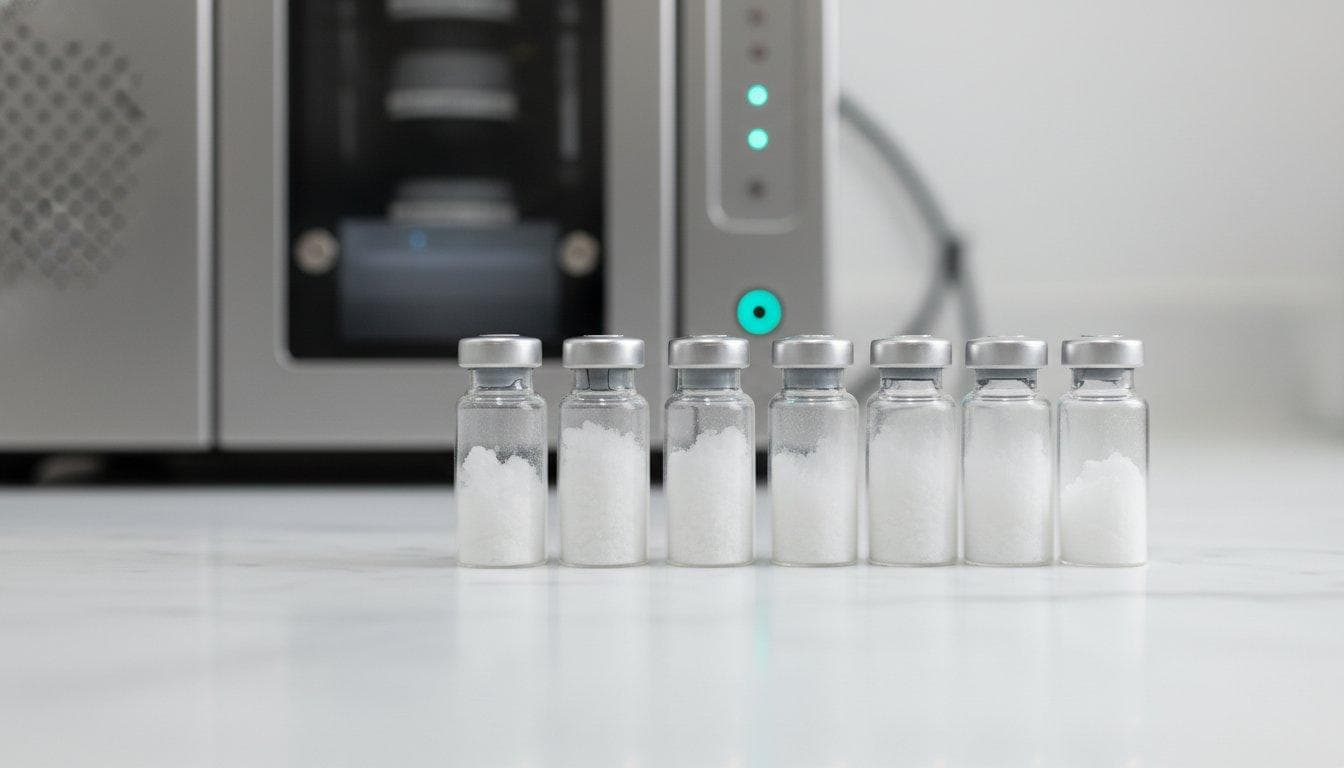
Reconstituting GHK-Cu involves mixing the lyophilized (freeze-dried) powder with a sterile liquid, usually bacteriostatic water. This process needs to be done carefully to maintain the peptide’s integrity. Always work in a clean area and wash your hands thoroughly before you begin.
Here?s a common method:
- Gather Supplies: You’ll need your GHK-Cu vial, a sterile syringe (often a 3 mL syringe for mixing), bacteriostatic water, and alcohol swabs.
- Prepare the Vials: Use an alcohol swab to clean the rubber stopper on both the GHK-Cu vial and the bacteriostatic water vial.
- Draw the Water: With a sterile syringe, carefully draw the recommended amount of bacteriostatic water. A common starting point is 2 mL, which results in a concentration of 0.5 mg/mL (or 500 mcg/mL).
- Inject Water: Slowly inject the bacteriostatic water into the GHK-Cu vial. Aim the stream of water against the inner wall of the vial to minimize foaming.
- Mix Gently: Do not shake the vial vigorously. Instead, gently roll the vial between your palms or swirl it until the powder is completely dissolved. You should see a clear liquid.
- Label and Store: Once reconstituted, label the vial with the date and store it in the refrigerator (between 2-8?C or 35.6-46.4?F). It’s best to use the reconstituted peptide within 30 days.
Subcutaneous Injection Technique Explained
Subcutaneous (SQ) injection means administering the peptide just beneath the skin, into the fatty tissue. For GHK-Cu, the abdomen is a common injection site, typically to the side of the navel. Rotating injection sites is important to prevent tissue damage or buildup.
Here?s how to do it:
- Prepare the Site: Clean the chosen injection area on your abdomen with an alcohol swab and let it air dry completely.
- Draw the Dose: Using an insulin syringe, draw up the correct amount of reconstituted GHK-Cu. The units needed will depend on the concentration of your mixed peptide. For example, at a 0.5 mg/mL concentration, 4 units on an insulin syringe typically deliver 1 mg.
- Pinch the Skin: Gently pinch a fold of skin at the injection site.
- Insert the Needle: Insert the needle into the pinched skin at a 45-degree angle. You don’t need to go deep into the muscle.
- Inject Slowly: Push the plunger down slowly and steadily to inject the liquid.
- Withdraw and Dispose: Once the dose is administered, withdraw the needle and immediately dispose of the syringe in a sharps container.
Proper technique helps ensure the peptide is absorbed correctly and minimizes discomfort or potential issues at the injection site. Always follow the specific instructions provided with your peptide.
Managing Vial Sizes and Concentrations
When you receive GHK-Cu, it usually comes as a lyophilized powder in a vial. The amount of powder in the vial (e.g., 100 mg) and the amount of liquid you use to reconstitute it will determine the final concentration. This concentration is key for measuring your dose accurately using an insulin syringe.
For instance, if you have a 100 mg vial and reconstitute it with 2 mL of bacteriostatic water, your concentration is 50 mg/mL (or 50,000 mcg/mL). However, a more common concentration for easier measurement is 0.5 mg/mL (500 mcg/mL), achieved by using 2 mL of water for a 1 mg vial, or by using a larger volume of water for a larger vial. Always double-check your calculations based on the specific vial size and the amount of liquid you add. For beginners, starting with a lower dose like 200 mcg is often recommended.
Here?s a quick look at how concentration affects dosage measurement:
| Concentration (mcg/mL) | Dose (mg) | Units on Insulin Syringe (approx.) |
|---|---|---|
| 500 mcg/mL | 1 mg | 4 units |
| 500 mcg/mL | 2 mg | 8 units |
| 1000 mcg/mL | 1 mg | 2 units |
| 1000 mcg/mL | 2 mg | 4 units |
Remember, these are approximate values and depend on the calibration of your insulin syringe. Always confirm your measurements.
Advanced GHK-Cu Dosage Considerations
Weight-Based vs. Flat Dosing Approaches
When figuring out GHK-Cu doses, you’ll mostly see something called ‘flat dosing.’ This means everyone gets roughly the same amount, no matter their weight. It’s pretty common because GHK-Cu seems to work well across a range of body sizes. Think of it like a general recommendation that covers most people.
On the other hand, ‘weight-based dosing’ calculates how much you should take based on your body weight, usually in micrograms per kilogram (mcg/kg). This method is more common with peptides that have a narrower window of effectiveness or where body composition really changes how the peptide works. For GHK-Cu, the science suggests that precise weight calculations aren’t as critical as just being consistent with your injections. Most practitioners stick to flat dosing because it’s simpler and effective.
Here’s a quick look at how flat dosing might be structured:
| Experience Level | Starting Dose | Working Dose | Maximum Dose | Frequency |
|---|---|---|---|---|
| Beginner | 0.5 mg | 1 mg | 1.5 mg | Daily |
| Intermediate | 1 mg | 1.5 mg | 2 mg | Daily |
| Advanced | 1.5 mg | 2 mg | 3 mg | Daily |
| Maintenance | 0.5 mg | 1 mg | 1.5 mg | 3x/week |
Understanding Cycle Timing and Rest Periods
Using GHK-Cu isn’t a ‘set it and forget it’ kind of thing. You need to think about cycles and rest periods. The idea behind cycling is to keep your body responsive and avoid any potential issues, like your body getting too used to it or messing with copper levels. A typical cycle might involve taking it for a certain number of days, then taking a break for a similar amount of time.
For example, a common approach is 30 days on, followed by 30 days off. Some protocols might use a 5-days-on, 2-days-off schedule within the active period. The exact timing can change depending on what you’re trying to achieve. It’s not about constant use; it’s about giving your body time to adapt and then reset.
The body’s response to peptides like GHK-Cu is often about consistent signaling over time, not just a single high dose. Allowing for rest periods helps maintain the effectiveness of these signals and prevents the body from becoming desensitized.
Combining GHK-Cu with Other Peptides
Lots of people like to use GHK-Cu alongside other peptides to tackle different goals at once, like improving skin and boosting energy. The good news is that GHK-Cu usually plays well with others. It works in a different way than many other peptides, so you’re not just doubling up on the same effect.
However, there’s one big rule: Never mix different peptides in the same syringe or vial. Each peptide needs its own separate injection. If you’re using GHK-Cu with, say, NAD+ or another peptide for recovery, you’ll inject them one after the other, each with its own clean syringe. The timing of these separate injections usually doesn’t need to be staggered unless a specific protocol suggests it.
Interpreting the GHK-Cu Peptide Injection Dosage Chart
So, you’ve got your GHK-Cu, and you’re ready to figure out the right amount to use. It can seem a bit confusing at first, with all the different numbers and recommendations out there. This section is all about making sense of those charts and figuring out what works best for you.
Navigating Dosage Ranges by Experience Level
When you look at a GHK-Cu dosage chart, you’ll often see different recommendations based on whether you’re a beginner, intermediate, or advanced user. This isn’t about being more or less important; it’s about how your body might respond and what’s generally considered a safe starting point versus what might be used for more specific or intensive goals.
- Beginner: Typically starts with lower doses to see how the body reacts. Think of it as dipping your toes in the water.
- Intermediate: Might use slightly higher doses, often after successfully using lower ones.
- Advanced: May use the higher end of the recommended ranges, usually after consistent use and understanding of their personal response.
It’s always wise to start low and go slow, no matter your experience level. Your body’s unique, and what works for one person might not be ideal for another.
Translating Dosage Recommendations into Units
Most GHK-Cu comes in vials, and you’ll likely be using an insulin syringe to measure your dose. The tricky part is converting the milligrams (mg) mentioned in charts into the units you see on your syringe. This depends heavily on how you reconstitute your peptide ? meaning, how much bacteriostatic water you mix with the powder.
A common reconstitution method uses 2 mL of bacteriostatic water for a vial. If you do this, you might end up with a concentration where:
- 4 units on an insulin syringe equals 1 mg of GHK-Cu.
- 8 units on an insulin syringe equals 2 mg of GHK-Cu.
Always double-check your reconstitution math. It’s super important to get this right.
The concentration of your reconstituted GHK-Cu is the key to accurately measuring your dose in units. If you mix your peptide differently, your unit measurements will change.
Frequency and Cycle Length Guidelines
Beyond just the amount you inject, how often you inject and for how long are also key parts of the dosage plan. You’ll see recommendations for daily injections, or perhaps a few times a week. Cycle length can vary too, from a few weeks to several months, depending on your goals.
- Daily: Often used for skin rejuvenation or wound healing where consistent signaling is desired.
- 3-5 times per week: A common approach for general wellness or when a slightly less intensive protocol is preferred.
- Cycle Length: Shorter cycles might be for acute issues like wound healing, while longer cycles are common for anti-aging or hair restoration goals.
Remember, rest periods between cycles are often just as important as the active dosing period. This allows your body to properly respond to the peptide’s signals without becoming desensitized.
Understanding the right amount of GHK-Cu peptide to use is key. Our guide on Interpreting the GHK-Cu Peptide Injection Dosage Chart breaks down the details in a way that’s easy to grasp. Learn how to find the perfect dosage for your needs. Visit our website to explore the full chart and get all the information you need!
Wrapping Up: Your GHK-Cu Dosage Cheat Sheet
So, we’ve gone over a lot of numbers and charts for GHK-Cu. It can seem a bit much at first, trying to figure out the right dose for what you’re trying to achieve, whether that’s for your skin, hair, or just general upkeep. The main thing to remember is that consistency is key, and these tables are here to make that easier. Think of them as your go-to reference when you’re not sure about the specifics. Always listen to your body, and if you’re really unsure, talking to someone who knows peptides can help clear things up. Hopefully, this guide takes some of the guesswork out of using GHK-Cu so you can focus on the results.
Frequently Asked Questions
What is the usual amount of GHK-Cu to use?
A common starting point is 1 milligram (mg) each day for the first 15 days. Then, for the next 15 days, the amount might increase to 2 mg daily. This is often done in cycles, like 30 days on and 30 days off.
Why does the dose go up after the first half of the cycle?
Increasing the dose in the second half helps to strengthen the body’s response. GHK-Cu works by building up over time, so a higher amount later in the cycle can deepen the positive effects on your tissues.
Can I take more than one GHK-Cu shot a day?
It’s generally recommended to stick to one injection per day. Taking more or splitting the dose isn’t usually part of the standard plan and might not lead to better results. The idea is for the body to get a steady amount over time.
What should I do if I forget to take my GHK-Cu for a day?
If you miss a day, just skip that dose and continue with your regular schedule the next day. Don’t try to make up for it by taking a double dose, as this is not recommended.
How do I mix GHK-Cu powder with water?
You’ll need to mix the powder (which is freeze-dried) with sterile water, often called bacteriostatic water. Carefully add the water to the vial, then gently roll the vial between your hands until the powder dissolves completely. Avoid shaking it.
Where do I inject GHK-Cu?
GHK-Cu is usually injected just under the skin, a method called subcutaneous injection. The belly area, near the belly button, is a common spot. It’s important to switch up the injection site each time to avoid problems in one area.