
Exploring the Synergistic Effects of BPC-157 and TB-500 for Enhanced Recovery
By Peak Haven13 min read
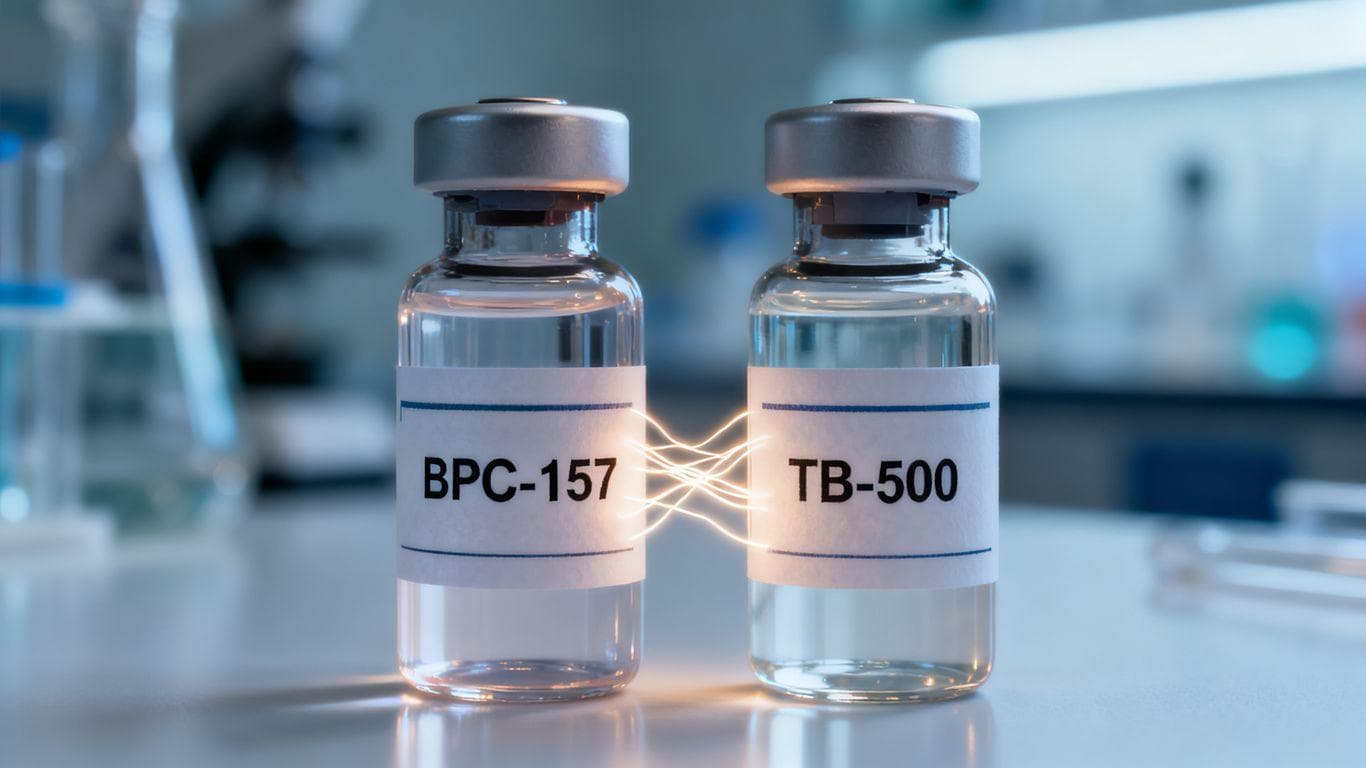
There’s a lot of talk lately about peptides, especially when it comes to healing and getting back to normal after an injury. Two names that keep popping up are BPC-157 and TB-500. People are curious about what they do and if using them together actually makes a difference. This article looks into how these two compounds might work hand-in-hand to help the body recover. We’ll break down what each one does and explore the idea that combining bpc-157 tb500 could offer even better results than using them separately. It’s an interesting area, and understanding the basics can help clear things up.
Key Takeaways
- BPC-157 and TB-500 are peptides being studied for their roles in healing and recovery.
- BPC-157 is thought to help with tissue repair and reduce inflammation.
- TB-500 is believed to support cell repair, flexibility, and wound healing.
- Combining bpc-157 tb500 might offer greater benefits for recovery than using either alone.
- More research is needed, and professional guidance is advised when considering these peptides.
Understanding The Power Of BPC-157 And TB-500
BPC-157: A Peptide For Tissue Regeneration
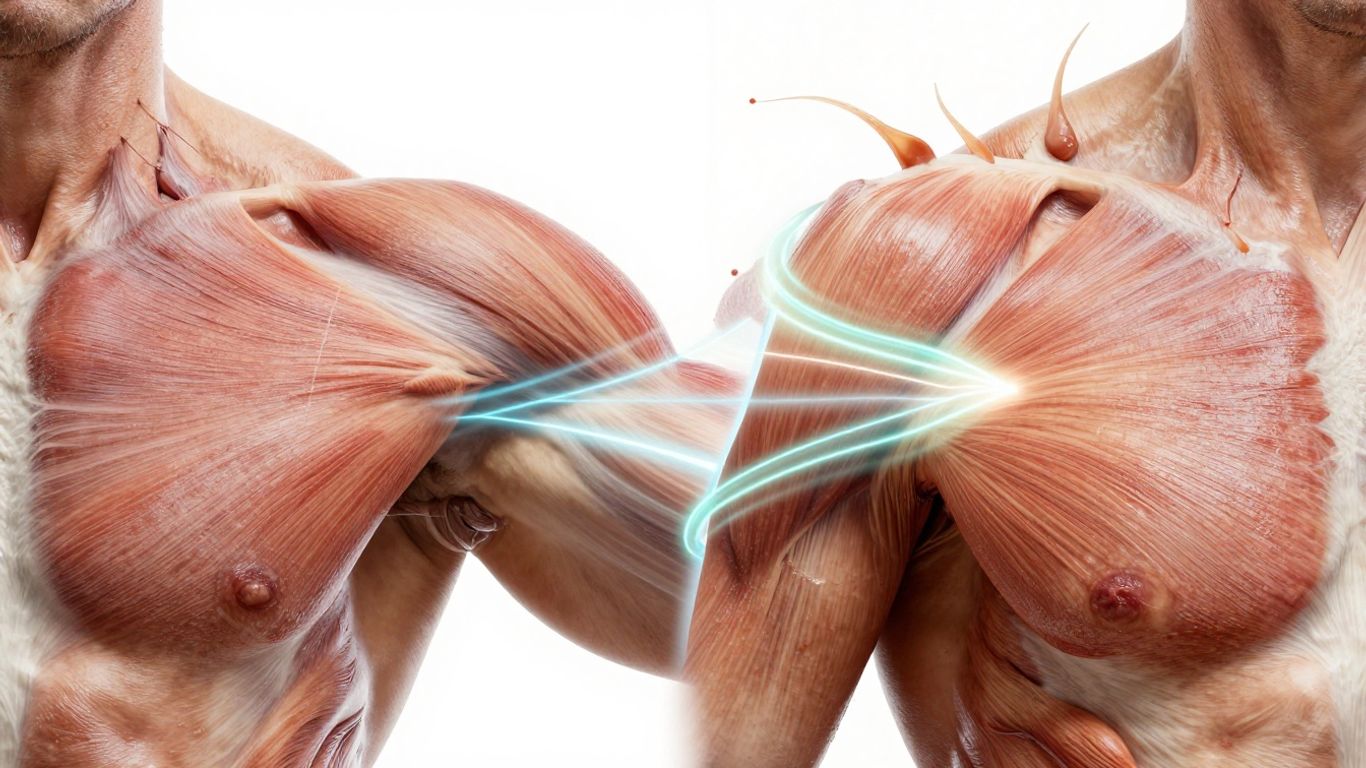
BPC-157 is a peptide that’s been getting a lot of attention for its potential to help the body heal itself. It’s basically a modified piece of a protein naturally found in our stomach lining. Scientists are looking into how it might speed up the repair of all sorts of tissues ? think muscles, tendons, even your gut. It seems to work by encouraging the body’s own healing systems to kick into high gear. This peptide shows promise in supporting the body’s natural repair processes.
TB-500: Enhancing Cellular Repair And Flexibility
TB-500 is another peptide that’s been studied for its healing capabilities. It’s a synthetic version of a natural protein called Thymosin Beta 4, which is really important for cell function. TB-500 is thought to help cells move around to where they’re needed for repair and also helps in forming new blood vessels. This can lead to better circulation and quicker healing. Plus, it’s known for helping to keep things flexible and reducing inflammation, which is a big deal when you’re dealing with injuries or stiffness. It’s like giving your cells a boost to do their job better.
The Synergistic Potential Of BPC-157 TB-500 Combination
When you put BPC-157 and TB-500 together, things get really interesting. They seem to work in ways that complement each other, potentially leading to even better results than using either one alone. It’s like they have different, but equally important, roles in the healing process. BPC-157 might focus on kickstarting the repair of damaged areas, while TB-500 could be busy getting cells to the site and making sure everything stays flexible and less inflamed. This combined approach is what makes people excited about using them for faster and more complete recovery from injuries or surgery. For those interested in exploring peptide-enhanced surgical recovery, BPC-157 therapy is a key area of research.
The idea behind combining these peptides is that they address different aspects of the healing cascade. One might initiate the repair process, while the other supports the cellular environment needed for that repair to happen effectively and efficiently.
Here’s a quick look at what each peptide brings to the table:
- BPC-157: Focuses on initiating and speeding up tissue repair, potentially aiding in healing across various bodily systems.
- TB-500: Aids in cell migration, promotes new blood vessel growth, and helps maintain tissue flexibility while reducing inflammation.
When used together, they aim to provide a more robust and multi-faceted approach to recovery, supporting both the initial healing signals and the subsequent cellular actions needed for tissue restoration. This combination is being explored for its potential to improve outcomes in tissue repair and recovery.
Mechanisms Of Action For Accelerated Healing
How BPC-157 Promotes Tissue Repair
BPC-157 works by influencing a variety of growth factors that are key to healing. It seems to encourage the body to send more blood vessels to damaged areas, which is super important for getting nutrients and oxygen where they need to go. Think of it like building new roads to a construction site. This peptide also helps cells that build connective tissue, like fibroblasts, do their job better. It’s been observed to speed up the healing of tendons and muscles in studies, suggesting it helps these tissues rebuild themselves more efficiently. This peptide appears to act locally, focusing its effects on the site of injury.
TB-500’s Role In Cell Migration And Angiogenesis
TB-500, on the other hand, is known for its ability to help cells move around. This cell migration is vital for repairing damaged tissues. When an injury occurs, cells need to travel to the affected area to start the repair process. TB-500 facilitates this movement. It also plays a role in angiogenesis, which is the creation of new blood vessels. This process is similar to what BPC-157 does, but TB-500’s mechanism involves a protein called actin, which is fundamental to cell structure and movement. This dual action helps in rebuilding damaged areas and improving blood supply.
Combined Effects On Blood Vessel Formation And Cell Movement
When you put BPC-157 and TB-500 together, you get a really powerful combination for healing. They work in ways that complement each other. Both peptides help create new blood vessels, which means more resources get to the injured spot. But TB-500 also makes sure the right cells get there quickly by improving their ability to move. This means that not only are new roads being built (blood vessels), but the construction crews (cells) are also arriving faster and working more effectively. This synergy can lead to much quicker recovery times than using either peptide alone. It’s like having a super-efficient repair crew on standby.
The combined action of these peptides seems to create an optimal environment for tissue regeneration. By boosting blood flow and facilitating cellular traffic, they address multiple aspects of the healing cascade simultaneously.
Here’s a quick look at what each peptide contributes:
- BPC-157: Primarily supports the building blocks of tissue, like collagen production, and may help reduce inflammation locally.
- TB-500: Focuses on cell movement to the injury site and the formation of new blood vessels, also contributing to reduced inflammation.
Together, they create a more robust response, speeding up the body’s natural repair processes. This makes them an interesting option for anyone looking to recover from injuries faster. You can find more information on peptide therapies and their potential benefits.
Key Benefits Of BPC-157 TB-500 Synergy
When you combine BPC-157 and TB-500, it’s like giving your body’s repair crew a supercharged toolkit. These two peptides don’t just work side-by-side; they seem to amplify each other’s effects, leading to some pretty impressive results for anyone looking to bounce back faster.
Accelerated Recovery From Injuries
This is probably the most talked-about benefit. Both peptides are known for their ability to speed up healing, but together, they really shine. BPC-157 helps fix things locally, like in your gut or tendons, while TB-500 acts more broadly, encouraging cells to move where they’re needed and helping new blood vessels form. This means that whether you’ve pulled a muscle, sprained an ankle, or are recovering from surgery, the healing process can be significantly quicker. It’s not just about healing faster, but also about healing better, with tissues potentially regenerating in a more organized way. This combination is a game-changer for athletes and anyone dealing with physical setbacks, offering a potent solution for tissue-repair capabilities.
Comprehensive Anti-Inflammatory Action
Inflammation is a natural part of healing, but too much of it can slow things down and cause a lot of discomfort. BPC-157 and TB-500 both have properties that help manage inflammation. BPC-157 is known for its protective effects on the gut lining, which can reduce systemic inflammation, while TB-500 helps calm down inflammatory responses in injured areas. When used together, they can provide a more thorough reduction in swelling and pain, making the recovery period less agonizing. This dual action helps create a more favorable environment for tissues to mend.
Enhanced Musculoskeletal And Gut Health
This peptide pairing offers a two-pronged approach to well-being. BPC-157 has a well-documented history of supporting gut health, helping to repair the lining and reduce issues related to digestive distress. Meanwhile, TB-500 focuses on the musculoskeletal system, promoting flexibility and reducing the formation of scar tissue or adhesions that can limit movement. The synergy here means you’re not just healing an injury; you’re also supporting the overall health of your muscles, tendons, ligaments, and even your digestive tract. It’s a more holistic way to get back to feeling your best, addressing both immediate recovery needs and long-term structural integrity. The combined effects can significantly speed up recovery from complex injuries and conditions.
Here’s a quick look at what makes this combination so effective:
- Faster Tissue Regeneration: Both peptides promote cell migration and the formation of new blood vessels, speeding up the repair of damaged tissues.
- Reduced Inflammation and Pain: Their combined anti-inflammatory effects can lead to quicker relief from discomfort associated with injuries.
- Improved Flexibility and Mobility: TB-500’s role in reducing adhesions helps restore normal range of motion.
- Gut Lining Protection: BPC-157’s known benefits for the digestive system add another layer of support.
The synergistic interaction between BPC-157 and TB-500 appears to create an environment where the body’s natural healing mechanisms are significantly boosted. This means that recovery isn’t just faster, but potentially more complete, addressing multiple aspects of tissue repair and inflammation simultaneously.
Scientific Insights Into Peptide Efficacy
Research Supporting BPC-157’s Healing Properties
BPC-157, a peptide derived from a protein found in gastric juice, has shown some interesting results in studies looking at how it helps tissues heal. It seems to work by encouraging the body’s natural repair processes. Think of it like giving your body a nudge in the right direction when something gets damaged. Early research suggests it can help with healing for things like tendons, muscles, and even parts of your gut. It’s thought to do this by boosting cell growth and improving blood flow to the injured areas, which is pretty important for recovery. Some studies have even looked at its effects on things like liver protection and recovery from brain injuries, though more work is definitely needed there.
Studies On TB-500’s Impact On Tissue Repair
TB-500, which is a synthetic version of a naturally occurring protein fragment called thymosin beta-4, also has a role to play in healing. Its main job seems to be helping cells move around to where they need to be to fix things and also encouraging the growth of new blood vessels. This is key for getting nutrients and oxygen to damaged spots. It’s also thought to help with flexibility and reduce scarring, which is a big deal for preventing long-term issues after an injury. Researchers are looking at how it affects things like muscle tissue and connective tissues, like ligaments and tendons. It’s like TB-500 is helping to organize the repair crew and make sure they have what they need to get the job done efficiently.
Evidence For Combined BPC-157 TB-500 Benefits
When you put BPC-157 and TB-500 together, the idea is that they might do even more than they would on their own. It’s like having two specialists working on the same problem, each bringing their own skills. BPC-157 might focus on the overall healing environment and organ repair, while TB-500 could be more about the cellular movement and connective tissue aspects. Some research points to them working together to speed up the regeneration of connective tissues, potentially improving how collagen fibers form and how quickly tendons and ligaments can recover. It’s still early days, and a lot more research is needed to fully understand how they interact and what the best ways are to use them together for optimal recovery. However, the initial findings suggest a promising synergy that could lead to faster and more complete healing.
While the research into these peptides is ongoing and shows promise, it’s important to remember that they are not a magic bullet. Individual responses can vary, and professional guidance is always recommended before starting any new therapeutic approach. The scientific community is actively exploring these compounds, but definitive conclusions about widespread human application are still being formed.
Optimizing Recovery With Peptide Therapy
When considering the use of BPC-157 and TB-500 for recovery, how you use them matters. It’s not just about taking them; it’s about how and when, and what else is going on with your health. Think of it like tuning a car ? you need the right parts, but also the right adjustments for peak performance.
Administration Methods For BPC-157 And TB-500
How these peptides get into your system can affect how well they work. BPC-157, for instance, has shown different results depending on whether it’s taken orally or injected. Oral administration is certainly more convenient, but studies suggest that injection might lead to higher concentrations reaching the target areas. TB-500 is typically administered via injection. The choice often comes down to what’s most practical for the individual and what the specific recovery goal is. For example, someone looking to address a systemic issue might opt for one method, while a localized injury might be approached differently.
- Injection: Often considered more direct and potentially more potent for certain applications.
- Oral: More convenient for daily use, though bioavailability can be a factor.
- Topical: While less common for these specific peptides, it’s a method explored for localized issues.
The precise method of administration can significantly influence the peptide’s effectiveness and the speed of recovery.
Considering Individual Health Factors
Everyone’s body is unique, and what works for one person might not be the best fit for another. Before starting any peptide therapy, it’s really important to look at your overall health picture. Do you have any existing medical conditions? Are you taking other medications? These are not small questions. For instance, if you have a history of certain autoimmune issues, or if you’re on blood thinners, these factors need careful consideration. It’s about making sure the peptides support your healing without causing unintended problems. This is where personalized medicine really comes into play.
Understanding your body’s current state is the first step in any recovery plan. It’s about working with your biology, not against it, to achieve the best possible outcomes.
The Importance Of Professional Guidance
This is a big one. While the information out there about peptides like BPC-157 and TB-500 can be compelling, it’s not a substitute for professional medical advice. A qualified healthcare provider can help you understand if these peptides are appropriate for your specific situation. They can discuss potential risks, benefits, and proper dosage protocols. They can also monitor your progress and make adjustments as needed. Trying to figure this all out on your own can be risky, especially with substances that are still being researched. Getting guidance ensures you’re using these powerful tools safely and effectively for your healing journey.
- Consultation: Discuss your health history and recovery goals.
- Dosage: Determine the correct amount and frequency.
- Monitoring: Track progress and address any concerns.
- Safety: Ensure no contraindications with existing conditions or medications.
Want to bounce back faster after tough workouts or long days? Peptide therapy can be a game-changer for speeding up your body’s repair process. Imagine feeling less sore and more ready for your next challenge. Ready to discover how peptide therapy can help you recover quicker? Visit our website to learn more and see if it’s the right fit for you!
Wrapping Up Our Discussion
So, we’ve looked at BPC-157 and TB-500, and it seems like they could really help out when you’re trying to bounce back from an injury or just generally speed up healing. They both seem to do their own thing to help repair tissues and calm down inflammation, but when you put them together, it looks like they might work even better. It?s pretty interesting stuff, and while more research is always good, the early signs suggest this combo could be a solid option for anyone looking for a boost in their recovery process. Just remember, talking to a doctor before trying anything new is always the smart move.
Frequently Asked Questions
What exactly are BPC-157 and TB-500?
Think of BPC-157 and TB-500 as tiny helpers for your body. BPC-157 comes from a protein in your stomach and is known for helping fix and grow tissues. TB-500 is like a helper that encourages your cells to move around and build new blood vessels, which is important for healing.
How do BPC-157 and TB-500 work together to help recovery?
When BPC-157 and TB-500 team up, they can be even more effective than when used alone. BPC-157 helps repair specific tissues, while TB-500 helps cells get to where they need to be and builds new blood pathways. Together, they speed up healing and reduce swelling more efficiently.
Can these peptides help with injuries like sprains or muscle tears?
Yes, research suggests that both BPC-157 and TB-500 can be very helpful for healing injuries such as sprains, muscle tears, and tendon damage. They work by speeding up the repair process and reducing the inflammation that causes pain and swelling, which means you can get back to your activities faster.
Are there any studies showing that these peptides actually work?
Scientists have conducted various studies on both BPC-157 and TB-500. These studies have looked at how they help heal different kinds of tissues, reduce swelling, and improve flexibility. While research is ongoing, the results so far show promising signs for their use in healing.
How do you take BPC-157 and TB-500?
These peptides can be taken in a few ways, like through injections or sometimes in a pill form. Injections might deliver the peptides to your body more directly and quickly. However, the best way to take them often depends on what works best for you and what a doctor recommends.
Should I talk to a doctor before using BPC-157 and TB-500?
It is always a good idea to talk to a healthcare professional before starting any new treatment, including these peptides. They can help you understand if BPC-157 and TB-500 are right for your specific health needs, consider any other health issues you might have, and make sure you use them safely.