
Lately, there’s been a lot of talk about au peptides. You see them popping up everywhere, especially online, with promises of everything from smoother skin to faster healing. It’s easy to get caught up in the hype, but what’s really going on with these compounds? This article aims to break down what au peptides are, look at the science behind them, and most importantly, discuss the safety concerns that come with using products that aren’t properly regulated.
Key Takeaways
- Au peptides are short chains of amino acids, sometimes naturally occurring in the body, but often synthesized to mimic or boost natural functions.
- While some peptide-based medicines are approved and require a doctor’s prescription, many au peptides are sold online as unregulated ‘research chemicals’ not intended for human use.
- The Therapeutic Goods Administration (TGA) has issued safety alerts regarding unregulated au peptides, citing risks of severe allergic reactions, hospitalizations, and other adverse effects due to unknown product quality and contamination.
- Claims about the benefits of many au peptides, particularly for cosmetic and anti-ageing purposes, are largely based on limited animal or cell studies, with a significant lack of high-quality human clinical trials to support their safety and effectiveness.
- Using unregulated au peptides carries potential biological risks, including unintended stimulation of bodily processes, possible promotion of tumor growth, and disruption of natural hormonal pathways, alongside risks associated with self-injection like infections and abscesses.
Understanding AU Peptides
Peptides are essentially short chains of amino acids, the basic building blocks that make up proteins in our bodies. Think of them as tiny messengers. They play a role in a lot of different bodily functions, like helping skin repair itself or calming down inflammation. Our bodies make these naturally, but scientists can also create synthetic versions to try and copy or boost what the natural ones do.
What Are Peptides?
Naturally occurring peptides are involved in many processes. For instance, hormones like insulin and oxytocin are peptides. When we digest food, proteins break down into smaller peptides. The interest lately, however, has been in synthetic peptides. These are made in labs to mimic or enhance specific natural functions. Some of these synthetic peptides have clear medical uses and are approved as medicines. For example, certain peptides are used to manage diabetes and aid in weight loss, like semaglutide, which you might know as Ozempic or Wegovy. These approved medicines have gone through rigorous testing to prove they work and are safe when used as directed by a doctor.
The Science Behind Peptide Function
Peptides work by interacting with cells and signaling pathways in the body. Because they are smaller than proteins, they can often penetrate the skin or cell membranes more easily, allowing them to deliver specific messages. This signaling capability is what makes them attractive for various applications. Some peptides are designed to stimulate collagen production, others to reduce inflammation, and some are even explored for their potential in tissue repair. The effectiveness and safety of a peptide depend heavily on its specific amino acid sequence and its intended biological target.
Approved Peptide Medicines vs. Unregulated Products
It’s really important to tell the difference between peptides that are approved medicines and those sold without oversight. Approved peptide medicines, like those for diabetes or weight management, have been thoroughly studied in clinical trials. Their safety, quality, and effectiveness have been evaluated by regulatory bodies. These products are prescribed by healthcare professionals and used under medical supervision. On the other hand, a growing number of peptides are being marketed for cosmetic or anti-ageing purposes, often online. These products haven’t undergone the same level of scrutiny. Many are sold as ‘research chemicals’ and are not intended for human use, yet they are often packaged and marketed in ways that suggest otherwise. This lack of regulation means their contents, purity, and potential side effects are often unknown, posing a significant risk. The Therapeutic Goods Administration (TGA) is issuing a warning about the risks associated with importing unapproved peptide products through the Personal Importation Scheme, highlighting that these can be dangerous. In other regions, many popular peptides are not classified as medicines in the UK, leaving them unregulated by the MHRA, which raises concerns about their safety.
The line between a scientifically validated therapeutic agent and an unregulated substance is often blurred by marketing. It’s easy to get caught up in the hype, but understanding the source and regulatory status of any peptide product is the first step toward making an informed decision.
The Rise of Unregulated AU Peptides
Social Media’s Influence on Peptide Popularity
It feels like everywhere you look lately, someone is talking about peptides. Social media platforms have become a huge driver for this trend, with influencers and everyday users sharing their experiences. They often post about supposed benefits like looking younger, losing weight, or getting stronger. This constant stream of content makes these products seem accessible and even desirable. It’s a powerful way to spread the word, but it bypasses any official channels that might vet these claims. Many of these peptides are being sold online, often with promises of high purity and fast shipping, like some research peptides available for sale. It?s easy to see how people get drawn in when they see so many others seemingly having success.
The Appeal of Cosmetic and Anti-Ageing Claims
Who wouldn’t want to look younger or feel healthier? That’s the core appeal of many of these unregulated peptides. They’re marketed with promises of boosting collagen, repairing skin, and generally reversing the signs of aging. Think smoother skin, fewer wrinkles, and a more youthful glow. These claims tap into a deep desire for self-improvement and a way to combat the natural aging process. It’s a lucrative market, and the online space makes it incredibly easy for companies to reach a global audience.
The "Research Chemical" Loophole
Here’s where things get a bit murky. To get around regulations, many of these peptides are sold online with a label that says "research chemical" or "not for human consumption." This is a clever way to sidestep rules that would otherwise apply to medicines. However, the way they are packaged, dosed, and advertised often clearly indicates they are intended for people to use. This creates a situation where products are being used by the public without proper safety checks. The Therapeutic Goods Administration (TGA) has issued safety alerts about these kinds of products, highlighting the risks involved when substances aren’t properly evaluated.
- Misleading Labels: The "research chemical" label is often a front for products intended for human use.
- Lack of Oversight: This loophole allows products to bypass crucial safety and quality testing.
- Global Market Challenges: It’s difficult for regulators to track and control substances sold across international digital markets.
This practice creates a shadow market where consumers might believe they are buying something legitimate for personal use, but it’s technically not approved for that purpose. The lines are blurred, and the consumer is often left in the dark about what they are actually getting and whether it’s safe.
It’s a complex situation, and understanding these tactics is the first step in making informed decisions about your health.
Safety Concerns and Regulatory Warnings
It’s really important to talk about the safety side of things when it comes to these AU peptides, especially the ones you find online that aren’t approved. Regulatory bodies are getting more vocal about this, and for good reason. The Therapeutic Goods Administration (TGA) in Australia, for example, has put out several warnings because they’re seeing a big jump in people importing and using these unapproved products. These substances haven’t gone through the proper checks for safety, quality, or whether they even work as advertised.
The TGA has been alerted to some pretty serious adverse reactions that have landed people in the hospital. We’re talking about severe allergic reactions, intense full-body itching, and even things like palpitations and blurred vision. It’s a stark reminder that what you see online, especially on social media, isn’t always backed by science or safety testing.
Therapeutic Goods Administration (TGA) Safety Alerts
Australia’s drug regulator, the TGA, has been quite clear about the risks associated with unapproved peptides. They’ve noted a significant increase in these products entering the country, and they’re concerned about the potential public health impact. Their alerts highlight that these peptides have not been evaluated for safety, quality, or effectiveness. This means there’s no guarantee about what’s actually in the product, how pure it is, or what it will do in your body. The TGA is actively monitoring the situation and taking action against illegal products, but the sheer volume makes it a challenge. You can find more information on their responsibilities regarding these products on the TGA website.
Reported Adverse Reactions and Hospitalisations
Beyond the general warnings, there are specific reports of people experiencing severe side effects. These aren’t just minor inconveniences; some have required hospitalisation. The list of reported issues includes:
- Severe allergic reactions
- Intense, widespread itching
- Significant inflammation
- Heart palpitations
- Vision disturbances
- Musculoskeletal injuries
These incidents underscore the unpredictable nature of unregulated substances. Without proper oversight, users are essentially taking a gamble with their health.
The Risks of Unverified Product Quality
When you buy peptides from sources that aren’t regulated, you’re often unaware of the manufacturing process. This lack of transparency leads to serious quality control issues. The products might be contaminated with harmful substances, including heavy metals or bacterial endotoxins, which can lead to severe infections or even septic shock. Furthermore, the actual dosage and even the identity of the peptide can be uncertain. Some sources might even label products as "for research purposes only" as a way to bypass regulations, even when it’s clear they’re intended for human use. This is a tactic that regulators like the UK’s MHRA are actively disregarding.
The lack of oversight means that users are exposed to a wide range of potential harms, from ineffective treatments to dangerous contaminants. The promise of quick results often overshadows the reality of unknown risks.
It’s a complex situation, and the TGA has issued safety warnings about the increasing import of these unapproved substances.
Scientific Evidence for AU Peptide Efficacy
When we look at the claims made about AU peptides, especially those circulating on social media, it’s important to ask what the actual science says. A lot of the excitement seems to be built on a foundation that’s, frankly, a bit shaky.
Limitations of Animal and Cell Studies
Much of the research you’ll find on peptides like GHK-Cu, BPC-157, or TB-500 comes from studies done in labs, either on cells or animals. These studies can be a starting point, showing us what might be possible. For instance, some early work suggested GHK-Cu could help with collagen production and wound healing in mice. Similarly, research in rats indicated BPC-157 might aid in tissue repair and reduce inflammation. However, these findings in non-human subjects don’t automatically translate to humans. What works in a petri dish or a lab animal often behaves very differently in our complex human bodies.
Lack of High-Quality Human Clinical Trials
This is where things get really thin. For many of the peptides being promoted for anti-ageing, skin repair, or muscle growth, there’s a significant lack of robust human studies. Where human studies do exist, they are often small, short-term, and sometimes poorly designed. We’re talking about a few participants, not the large-scale, controlled trials needed to really understand if a product is safe and effective for widespread use. Without these high-quality trials, we can’t confidently say these peptides do what they claim for us.
Distinguishing Anecdotes from Evidence
Social media is full of personal stories and testimonials about how amazing certain peptides are. While these personal accounts can be compelling, they aren’t scientific evidence. They represent individual experiences, which can be influenced by many factors, including the placebo effect or the quality of the product itself. It’s easy to confuse these stories with proven results, but science requires rigorous testing and data. For example, while some collagen peptide supplements have shown benefits for daily activities and overall health when taken consistently over months [0e9d], this is based on specific, approved products with established research. The situation with many unregulated AU peptides is quite different, with enthusiasm often outpacing scientific validation [e43e].
The gap between what’s claimed and what’s proven is a major concern. Many peptides are marketed with promises of significant benefits, yet the scientific backing for these claims in humans is minimal to non-existent. This leaves users in a position of uncertainty regarding both efficacy and safety.
Here’s a look at the typical evidence landscape:
- Animal/Cell Studies: Often show potential effects.
- Human Studies: Frequently small, short-term, and lacking control groups.
- Real-World Use: No high-quality trials examining combinations, varied doses, or long-term administration.
This pattern highlights that for many experimental peptides, we simply don’t have enough reliable data to support the widespread claims being made.
Potential Biological Risks of AU Peptides

When you start messing with peptides, especially ones you get from less-than-official sources, there are some serious biological risks to think about. These aren’t just minor side effects; they can mess with your body’s natural systems in ways we don’t fully understand yet.
Unintended Stimulation of Bodily Processes
Peptides are like tiny messengers in your body, telling cells what to do. Some of these AU peptides are designed to mimic or boost natural processes, like growth or repair. The problem is, they might not be as precise as your body’s own signals. This can lead to overstimulation or activation of processes that were best left alone. For instance, a peptide meant to help with tissue repair could, in theory, also encourage the growth of existing, undetected conditions. It’s like turning up the volume on a radio station, but instead of just making the music louder, you start picking up static from other channels too.
Potential for Promoting Tumour Growth
This is a big one. Some peptides are involved in cell growth and division. If you have any pre-existing, low-level cellular abnormalities or early-stage tumours that you don’t even know about, introducing a potent growth-stimulating peptide could potentially accelerate their development. It’s a bit like watering a weed you didn’t realize was there ? it just makes it grow faster. While there’s no direct evidence of this happening with specific AU peptides in humans yet, the theoretical risk is significant, especially when you consider the lack of quality control in these unregulated products. The Therapeutic Goods Administration (TGA) is alerting consumers to the dangers associated with importing and using unapproved peptide products advertised online.
Disruption of Natural Hormonal Pathways
Your body’s hormone system is a delicate balancing act. Peptides can interact with these pathways. Using unregulated peptides might throw this balance off, leading to a cascade of unwanted effects. This could manifest as changes in mood, energy levels, metabolism, or even reproductive function. Because many peptides have multiple roles in the body, it’s hard to predict all the downstream consequences of introducing an external one. The lack of safety data makes it challenging to understand their potential short-term and long-term impacts on individuals.
Navigating the AU Peptide Landscape
It’s becoming increasingly common to see peptides promoted online for all sorts of things, from looking younger to recovering from injuries faster. But figuring out what’s what in this space can be tricky, especially with so many products available through digital markets. Understanding the risks and how these products are sold is key to making informed decisions.
Risks Associated with Self-Injection
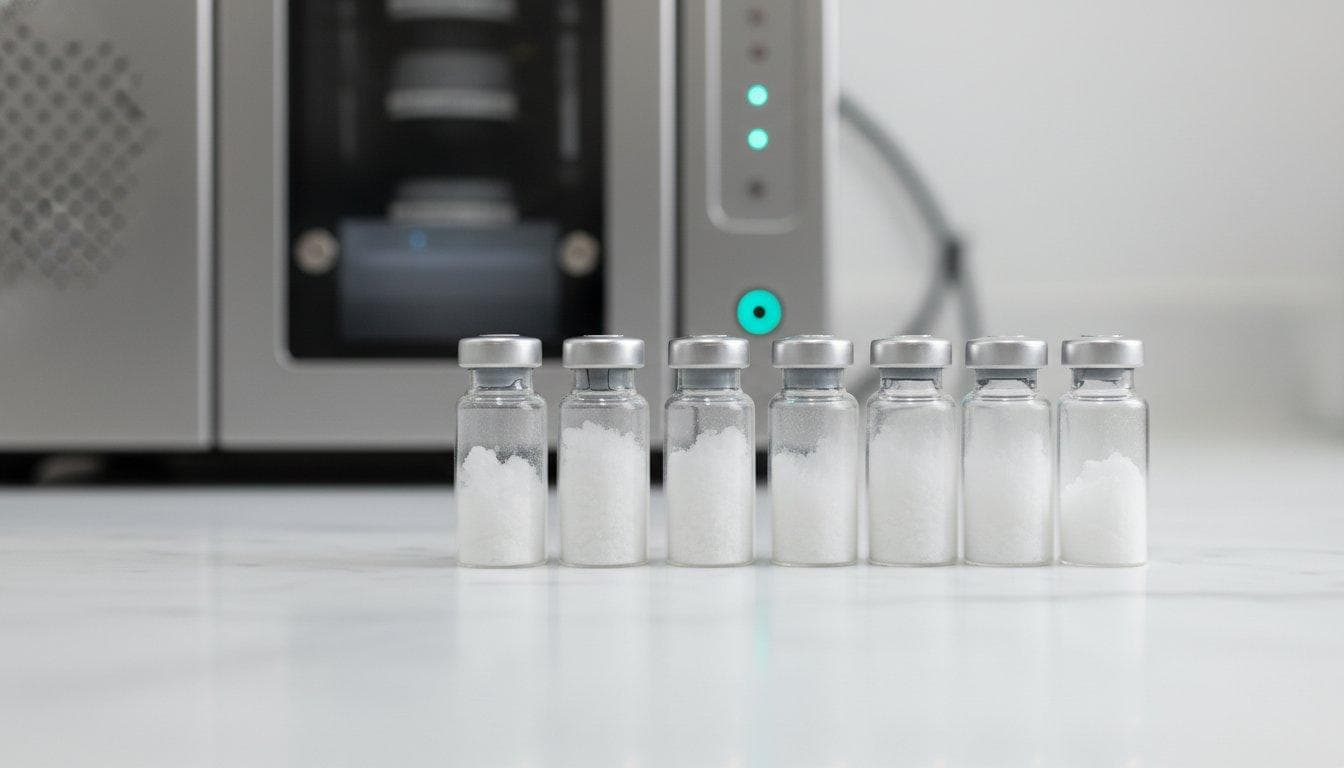
Many of these peptides are sold as powders that need to be mixed with a liquid before injecting. This process itself carries risks if not done correctly. Here are a few things to consider:
- Sterility: Ensuring the product and all equipment are sterile is vital to prevent infections. Without proper manufacturing and handling, contamination is a real possibility.
- Dosage Accuracy: Calculating the correct dose can be complex. Incorrect dosing could lead to unexpected side effects or the product being ineffective.
- Injection Technique: Improper injection technique can cause pain, bruising, or even introduce bacteria into the skin or muscle tissue.
The Challenge of Global Digital Markets
Peptides are often available from overseas sellers, making them hard to regulate. This global reach means products might not meet Australian safety standards, and getting help if something goes wrong can be difficult. The Therapeutic Goods Administration (TGA) has been issuing warnings about these unregulated products because they haven’t been checked for safety, quality, or how well they actually work.
Critical Evaluation of Marketing Claims
When you see claims about peptides, it’s important to look beyond the hype. Many of these claims are based on early research or personal stories, not solid scientific proof from human trials.
Be wary of promises that sound too good to be true. The line between anecdotal evidence and scientifically proven benefits can be blurry, especially with products marketed heavily on social media.
It’s wise to remember that even naturally occurring peptides aren’t always safe, and synthetic versions can have unknown effects. If you’re considering any peptide product, especially for therapeutic use, it’s best to talk to a qualified healthcare professional. They can provide guidance on approved treatments and potential risks, unlike many online sellers who may not have your best interests at heart. General practitioners are increasingly alerting the public to these dangers.
Exploring the world of AU peptides can be exciting! If you’re looking to dive deeper into what’s available and find the right products for your needs, our website is the perfect place to start. We have a wide selection waiting for you.
Wrapping Up: What to Know About AU Peptides
So, we’ve looked at these AU peptides that everyone’s talking about. It seems like there’s a lot of hype, especially on social media, with people claiming they help with everything from looking younger to recovering from injuries. But when you dig into it, the science just isn’t really there yet for many of these claims. Most of the studies are done on animals or cells, not people, and the human studies we do have are pretty small and not very convincing. Plus, there are real risks involved, like not knowing exactly what’s in the product, potential allergic reactions, and even more serious health issues. Australia’s drug regulator, the TGA, is pretty concerned about this, and they’ve warned that these unregulated products can be a big public health risk. While some peptide-based medicines are approved and safe when prescribed by a doctor, the ones being sold online without that oversight are a different story. It?s really important to be careful and think twice before trying them, and definitely talk to a healthcare professional if you?re considering anything like this.
Frequently Asked Questions
What exactly are peptides?
Peptides are like tiny building blocks made of amino acids, which are the same things that build proteins in our bodies. Think of them as short messages that tell different parts of your body what to do. Your body makes them naturally for many important jobs.
Are the peptides sold online the same as medicine prescribed by a doctor?
No, they are very different. Medicines like Ozempic or insulin that doctors prescribe have been carefully tested for safety and how well they work. The peptides you see advertised online are often not tested by health authorities and might not be safe or effective for people.
Why are unregulated peptides considered risky?
These products haven’t been checked by health experts to make sure they are safe, pure, or actually contain what they say they do. Some people have had serious health problems, like bad allergic reactions and pain, after using them. There’s also a risk they could accidentally help harmful things grow, like tumors, or mess with your body’s natural balance.
What does ‘research chemical’ mean when it comes to peptides?
Sometimes, sellers label peptides as ‘research chemicals’ to avoid rules for medicines. This means they say it’s not for people to use. However, they are often packaged and sold in ways that suggest people are meant to inject them, creating a risky situation outside of medical supervision.
Is there strong scientific proof that these popular peptides work for things like anti-ageing or healing?
For many of the peptides promoted online, the proof is weak. Most studies are done on animals or in lab dishes, not on people. The few studies done on humans are often small and don’t provide enough reliable information to say for sure if they are safe or helpful for the claims being made.
What are the dangers of injecting peptides myself?
Injecting anything yourself can be risky. You could get an infection or damage your skin if you don’t use clean tools and techniques. Since these products aren’t regulated, you might not even know exactly what you’re injecting, or if the dose is correct, which could lead to unexpected and harmful effects.