
Exploring the Science and Potential of TB500 Peptide for Enhanced Recovery
By Peak Haven||16 min read
Lately, there’s been a lot of talk about peptides and how they might help our bodies heal and perform better. One that keeps popping up is the TB 500 peptide. People are saying it’s good for fixing tissues and making things more flexible. So, if you’re an athlete trying to get over an injury, or just someone who wants to move around a bit easier, TB 500 seems like it could be a natural way to help. We’re going to look into what this TB 500 peptide actually is, how it works, and why so many people are interested in it for recovery and wellness.
Key Takeaways
- TB 500 peptide is a synthetic version of a natural protein that helps the body repair tissues, reduce swelling, and improve flexibility.
- It works by encouraging cells to move to injured areas, helping damaged muscles, tendons, and ligaments heal faster.
- This peptide is often looked at for helping with sports injuries, recovery after surgery, and managing long-term joint pain.
- While TB 500 peptide shows promise, it’s important to know that it’s not approved by the FDA for human use, and its long-term effects are still being studied.
- Using TB 500 peptide should always be done with guidance from a medical professional to ensure safety and proper dosage.
Understanding the TB500 Peptide
What is TB500 Peptide?
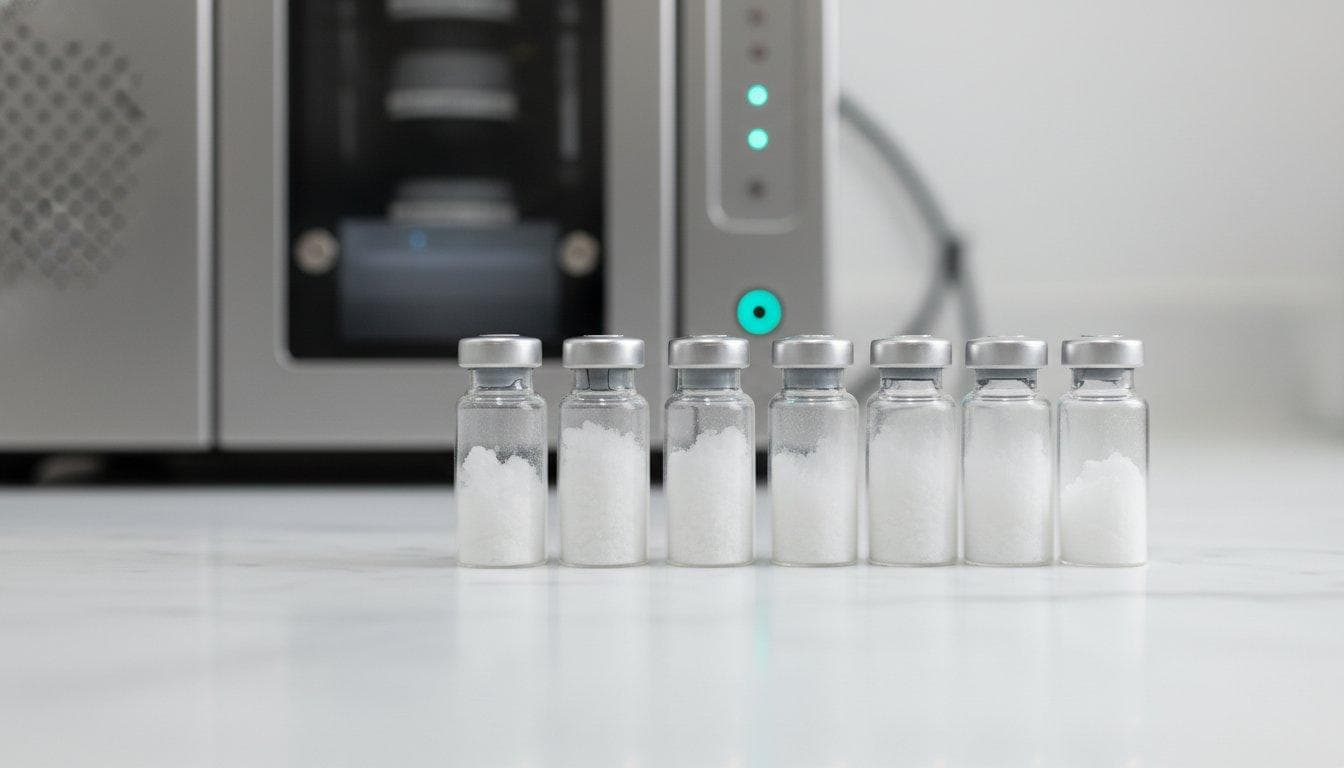
TB500 peptide is essentially a lab-made version of a natural protein found in our bodies called Thymosin Beta-4. Think of Thymosin Beta-4 as one of your body’s own repair crew leaders. It’s a pretty important protein that plays a role in all sorts of healing processes, like fixing damaged tissues and reducing inflammation. TB500 is designed to mimic these actions, but it’s often used therapeutically because it can be more stable and easier to work with in certain applications. Unlike some other peptides that might focus on things like muscle gain or fat loss, TB500’s main gig is all about recovery and repair. It’s known for its ability to travel through the body, specifically targeting areas that need mending, like muscles, joints, and connective tissues. This makes it a popular choice for athletes dealing with injuries or anyone looking to speed up their healing process.
The Science Behind Thymosin Beta-4
Thymosin Beta-4 (T?4) is a naturally occurring actin-sequestering protein. It’s found in high concentrations in various tissues, particularly in areas undergoing repair. The science behind T?4 is pretty fascinating. It works by influencing actin, a protein that’s key for cell structure and movement. When tissues are injured, T?4 is released to help cells migrate to the damaged site, which is a critical step in the healing process. It also helps in forming new blood vessels, which is vital for delivering nutrients and oxygen to the injured area. Furthermore, T?4 has anti-inflammatory properties, helping to calm down excessive inflammation that can sometimes hinder recovery. TB500 peptide is a synthetic sequence that replicates the active part of T?4, aiming to provide these same beneficial effects.
TB500 Peptide vs. Natural Thymosin Beta-4
So, what’s the difference between the TB500 peptide you might hear about and the Thymosin Beta-4 your body makes naturally? Well, TB500 is a synthetic fragment, meaning it’s created in a lab to copy the healing functions of the natural protein. The natural version, T?4, is a larger protein with a specific structure. TB500 is often designed to be a more concentrated or stable version of the active healing components found in T?4. This synthetic form is what’s typically used in research and therapeutic contexts because it can be standardized and its effects are more predictable in these settings. While your body produces T?4 on its own, supplementing with TB500 aims to give that natural healing process a significant boost, especially when dealing with more substantial injuries or chronic issues. It’s like giving your body’s repair crew some extra, highly effective tools.
- Mobility Enhancement: TB500 is recognized for its role in improving flexibility and range of motion.
- Tissue Regeneration: It aids in the repair of damaged muscles, tendons, and ligaments.
- Inflammation Control: The peptide helps to reduce swelling and discomfort associated with injuries.
The development of synthetic peptides like TB500 stems from a desire to harness the body’s natural healing mechanisms more effectively. By isolating and replicating key functional sequences of naturally occurring proteins, researchers aim to create more targeted and potent therapeutic agents for recovery and regeneration.
Mechanisms of Action for TB500 Peptide
Accelerating Tissue Repair and Regeneration
TB500 peptide is known for its role in promoting the body’s natural healing processes. It works by influencing actin, a protein that’s really important for how cells move and function. When tissues get damaged, TB500 helps cells migrate to the injured area, which is a key step in fixing things up. This movement of cells is vital for rebuilding damaged muscle, tendon, and ligament tissues. It’s like sending out a signal to get the repair crew to the site quickly.
- Promotes cell migration to injury sites.
- Supports the formation of new blood vessels (angiogenesis).
- Aids in the remodeling of damaged tissue.
This peptide also seems to help with the creation of new blood vessels, which means more nutrients and oxygen can get to the damaged spot, speeding up recovery. It’s not just about patching things up; it’s about helping the tissue rebuild itself in a more organized and functional way. This is why it’s looked at for helping with wounds and injuries heal faster and better.
TB500’s ability to affect cellular behavior makes it a subject of interest for anyone looking to support the body’s inherent capacity for repair and regeneration after injury or stress.
Reducing Inflammation and Discomfort
Inflammation is a natural part of healing, but too much of it can actually slow things down and cause a lot of pain. TB500 peptide appears to help manage this inflammatory response. It doesn’t completely shut it down, which wouldn’t be good, but it helps to keep it in check. By balancing inflammation, it can reduce swelling and the associated discomfort, making the healing process less painful and more efficient. This is a big deal for people dealing with injuries or conditions that cause chronic pain.
- Modulates inflammatory pathways.
- Helps decrease swelling and redness.
- Contributes to pain reduction.
This effect is particularly beneficial in the early stages of injury, where excessive inflammation can lead to secondary damage. By controlling this, TB500 can help protect the surrounding tissues and create a better environment for healing to occur. It’s a way to help the body heal without the prolonged discomfort that often comes with it.
Enhancing Flexibility and Mobility
Injuries and certain conditions can leave tissues stiff and less flexible, limiting movement. TB500 peptide seems to play a role in improving this. It helps reduce the formation of scar tissue and fibrosis, which are common culprits behind stiffness. Scar tissue is less elastic than healthy tissue, so by minimizing its development, TB500 can help restore a greater range of motion. This is important not just for athletes trying to get back to their sport, but for anyone who wants to move freely without pain or restriction. The peptide’s influence on tissue repair and remodeling contributes to tissues that are more pliable and functional. This peptide is explored for its potential in wound healing, tissue repair, and reducing inflammation, making it a subject of interest in therapeutic applications.
- Decreases scar tissue formation.
- Improves the elasticity of repaired tissues.
- Supports better joint movement and overall mobility.
When tissues heal with less scarring and more normal structure, they tend to function better. This means muscles can contract and relax more smoothly, and joints can move through their full range without feeling tight or restricted. It’s about getting the body back to moving the way it should, with less pain and more ease. This can make a big difference in daily life and physical performance. The synergy between TB-500 and other peptides like BPC-157 is also noted for its potential in recovery.
Applications of TB500 Peptide in Recovery
Sports Injury Rehabilitation
When athletes push their bodies, injuries are often part of the game. TB500 peptide has shown promise in helping the body bounce back from these setbacks. It works by encouraging the movement of cells to injured areas, which is a big deal for healing muscles, tendons, and ligaments. Think of it like sending in a repair crew exactly where it’s needed most. This peptide can also help reduce scar tissue formation, which means the repaired area might be more flexible and less prone to re-injury down the line. For athletes looking to get back in the game faster and stronger, TB500 could be a helpful tool.
- Accelerates healing of muscle tears and strains.
- Supports repair of ligament and tendon damage.
- Reduces inflammation associated with acute injuries.
- Promotes more flexible tissue repair, lowering re-injury risk.
Post-Surgical Healing Support
Undergoing surgery often means a period of recovery where the body needs all the help it can get to mend. TB500 peptide can play a role here by supporting the body’s natural healing processes. It’s thought to help with the formation of new blood vessels, which is important for delivering oxygen and nutrients to the surgical site. This can speed up how quickly tissues start to repair. Some research even suggests it might help reduce the formation of internal scar tissue, which can sometimes cause problems after surgery. For those recovering from an operation, TB500 might offer a way to improve the healing timeline and outcome. It’s definitely something to discuss with your doctor if you’re considering options for post-operative care.
The body has an amazing capacity to heal itself, and compounds like TB500 are being studied for their potential to support these natural repair mechanisms, especially after the stress of surgery.
Managing Chronic Joint Pain
Living with chronic joint pain, like that from arthritis, can really limit what you can do. TB500 peptide might offer some relief by working on inflammation and tissue repair within the joints. It’s believed to help reduce swelling and discomfort, making movement easier. By supporting the health of joint tissues and potentially improving flexibility, it could help individuals manage their pain and maintain a better quality of life. While it’s not a cure, it could be a supportive therapy for those dealing with long-term joint issues.
| Condition | Potential TB500 Benefit |
|---|---|
| Osteoarthritis | Reduced inflammation and joint stiffness |
| Rheumatoid Arthritis | Support for tissue repair and inflammation modulation |
| Tendinopathy | Accelerated healing of damaged tendons |
Synergistic Effects with Other Peptides
While TB500 peptide shows promise on its own, its effects can be amplified when combined with other peptides. This approach, often referred to as peptide synergy, aims to create a more comprehensive recovery strategy. The idea is that different peptides target various aspects of healing, and when used together, they can address multiple needs simultaneously, leading to faster and more complete results.
Combining TB500 Peptide and BPC-157
One of the most talked-about combinations involves TB500 and BPC-157. These two peptides are frequently paired because their mechanisms of action complement each other well. BPC-157 is known for its protective and regenerative effects on the gastrointestinal tract and its ability to promote the healing of tendons and muscles. TB500, on the other hand, excels at promoting cell migration, reducing inflammation, and improving flexibility throughout the body. Together, they create a powerful duo for recovery.
- Accelerated Tissue Repair: BPC-157 aids in rebuilding damaged tissues, while TB500 helps recruit cells to the injury site. This dual action speeds up the repair process.
- Reduced Inflammation and Scarring: Both peptides can help manage inflammatory responses. TB500 is particularly noted for its ability to limit fibrosis, which can lead to less scar tissue and better long-term tissue function.
- Improved Circulation: The formation of new blood vessels is supported by both compounds, ensuring that damaged areas receive adequate nutrients and oxygen for healing.
The combination of TB500 and BPC-157 is often explored for its potential to address a wide range of recovery needs, from acute injuries to chronic conditions. This synergy allows for a more targeted and effective approach to healing.
Enhanced Healing Through Peptide Synergy
Peptide synergy isn’t limited to just TB500 and BPC-157. Researchers are investigating other combinations to see how different peptides can work together. The goal is to create tailored protocols that address specific recovery challenges. For instance, some peptides might focus on reducing pain, while others concentrate on rebuilding cartilage or improving nerve function. By carefully selecting and combining these agents, the aim is to achieve outcomes that are greater than the sum of their individual parts. This field is still developing, but the potential for more efficient and complete healing is significant. You can find more information on peptide therapy and its applications.
Optimizing Recovery Strategies
When considering peptide therapy, especially in combination, it’s important to have a well-thought-out strategy. This involves understanding:
- The specific goals: Are you recovering from surgery, an athletic injury, or managing chronic pain?
- The individual’s health status: Factors like age, overall health, and any pre-existing conditions play a role.
- The timing and dosage: How and when peptides are administered can greatly influence their effectiveness. This is where professional guidance is key.
The synergistic use of peptides like TB500 and BPC-157 represents a sophisticated approach to recovery, aiming to optimize the body’s natural healing processes. Consulting with a qualified healthcare provider is essential to determine the most appropriate peptide combination and administration plan for your unique needs. This careful planning can help maximize the benefits and minimize potential risks associated with peptide combinations.
Potential Benefits Beyond Injury Repair
While TB500 peptide is widely discussed for its role in accelerating healing after injuries and surgeries, its influence may extend to other areas of health and well-being. Research suggests that the mechanisms behind TB500 could positively impact systems beyond just tissue repair.
Supporting Cardiovascular Health
The peptide’s ability to promote angiogenesis, the formation of new blood vessels, is not limited to injury sites. This process is also vital for maintaining healthy circulation throughout the body, including the heart. By potentially improving blood flow and supporting the repair of vascular tissues, TB500 might contribute to better cardiovascular function. This could be particularly relevant for individuals looking to support their heart health through natural means, though more research is needed to confirm these effects in humans. The formation of new capillaries is a key aspect of how peptides like TB-500 might aid tissue repair.
Promoting Hair and Skin Health
TB500’s influence on cell migration and tissue regeneration can also be observed in its effects on skin and hair. The peptide may support wound healing processes, leading to smoother skin and potentially reducing the appearance of scars. Furthermore, its role in cellular repair and growth could translate to promoting healthier, thicker hair growth. These applications are often explored in cosmetic and regenerative medicine contexts.
Improving Neuromuscular Function
Beyond muscle and tendon repair, TB500’s impact on cell movement and tissue remodeling might also play a role in neuromuscular function. This could translate to improved coordination and flexibility, not just in recovering athletes but potentially in individuals experiencing age-related stiffness or mobility issues. By supporting the health and communication between nerves and muscles, the peptide could offer benefits for overall physical performance and comfort.
The scientific exploration into TB500 continues to reveal a broad spectrum of potential applications. While its primary recognition comes from injury recovery, its underlying mechanisms suggest a wider influence on bodily systems, including cardiovascular health, skin and hair vitality, and neuromuscular performance. As research progresses, a clearer picture of these additional benefits will likely emerge.
- Angiogenesis: Supports the creation of new blood vessels, improving circulation.
- Cellular Migration: Aids cells in moving to where they are needed for repair and growth.
- Tissue Remodeling: Contributes to the formation of healthier, more functional tissue.
It’s important to remember that while these potential benefits are promising, much of the evidence comes from preclinical studies. The medical community often expresses caution regarding the efficacy and safety of peptides like TB-500 due to limited human clinical trials. Always consult with a healthcare professional before considering any peptide therapy.
Navigating the Use of TB500 Peptide
Using TB500 peptide involves understanding how it’s administered, what to expect regarding side effects, and why professional guidance is so important. It’s not a simple over-the-counter supplement; it requires careful consideration.
Dosage and Administration Guidelines
TB500 is typically given through injection, either under the skin (subcutaneously) or directly into a muscle (intramuscularly). This method helps the peptide get into your system quickly and work effectively. The amount you use and how often can change quite a bit depending on what you’re trying to achieve and what a doctor recommends for you.
- Initial Phase: Often starts with about 2.0-2.5 mg every other day.
- Typical Range: A common weekly dose might be 4 to 8 mg, split into a few injections.
- Maintenance: Once you start feeling better, the dose might drop to 2-6 mg per month.
- Cycle Length: Most treatment plans last about 6 to 12 weeks, but this is checked regularly.
It’s vital to remember that these are just general patterns seen in research and clinical use, not direct advice. Always follow the specific plan given by your healthcare provider.
Potential Side Effects and Considerations
While TB500 is generally considered safe when used properly, some people might notice a few things as their body adjusts. These are usually not serious and tend to go away on their own.
- Fatigue: Some users report feeling more tired than usual.
- Dizziness: You might feel a bit lightheaded for a short time.
- Injection Site Reactions: Mild redness or a little soreness where the shot was given can happen.
- Headaches: Temporary headaches can occur as your body gets used to the peptide.
The lack of FDA approval for TB500 means its production isn’t closely watched. This can raise questions about the purity and exact strength of what you might get. It’s also banned by the World Anti-Doping Agency (WADA), so athletes need to be aware of this.
Importance of Medical Supervision
Because TB500 is not approved by the FDA for human use, getting it from unregulated sources carries risks. The purity and actual dosage can be uncertain, and there’s limited data on long-term effects. Working with a qualified healthcare professional is the only responsible way to explore TB500 therapy. They can assess if it’s right for you, determine the correct dosage, monitor your progress, and manage any potential side effects. This peptide is a tool for healing, and like any potent tool, it needs to be handled with care and expert knowledge. For those interested in understanding more about peptide therapy, resources exist that offer insights into these treatments, but they should complement, not replace, professional medical advice. If you’re looking into options for tendon and muscle repair, preliminary results for BPC-157 show promise, though more research is needed.
Thinking about using TB500 Peptide? It’s a popular choice for many, but understanding how to use it safely and effectively is key. We’ve put together some helpful information to guide you. Want to learn more about TB500 Peptide and find out where to get it? Visit our website today for all the details!
Wrapping Up Our Look at TB-500
So, we’ve talked a lot about TB-500 and what it might do for healing and recovery. It seems like a promising peptide, especially for athletes or anyone dealing with injuries, thanks to its ability to help repair tissues and boost flexibility. It’s interesting how it works by helping cells move to where they’re needed and reducing inflammation. While it’s not approved for general use and more research is definitely needed, especially in humans, it’s clear why people are curious about it. As we learn more, it’s important to remember that any health decisions should be made with a doctor. The world of peptides is still developing, and staying informed is key.
Frequently Asked Questions
What exactly is TB-500?
TB-500 is like a helper molecule made in a lab. It’s based on a natural protein in our bodies called Thymosin Beta-4. Its main job is to help fix damaged parts of the body, calm down swelling, and make things more flexible. It’s often used to help people heal faster after injuries or surgery.
How does TB-500 help the body heal?
TB-500 works by helping cells move to where they are needed for repair. It also helps create new blood vessels, which bring important nutrients and oxygen to injured areas. Think of it like a construction crew that quickly arrives at a damaged site to start fixing things up.
Can TB-500 help with sports injuries?
Yes, TB-500 is often looked at for helping athletes recover from injuries like muscle strains or ligament damage. It can speed up the healing process and reduce the stiffness that often comes with these injuries, helping athletes get back to training sooner.
Are there any side effects from using TB-500?
While TB-500 is generally considered safe when used properly, some people might feel a little tired or dizzy after using it. Sometimes, there might be slight redness or irritation where it was given. These effects are usually not serious and go away quickly.
Is TB-500 approved for medical use?
TB-500 is not yet approved by major health organizations like the FDA for use in people. This means it hasn’t gone through all the strict testing needed to be sure it’s safe and works perfectly for everyone. It’s mostly used in research settings.
Should I consult a doctor before considering TB-500?
Absolutely. It is very important to talk to a qualified doctor or healthcare provider before you think about using TB-500. They can explain the potential benefits and risks based on your specific health situation and guide you toward safe and proven treatments.