
Exploring BPC 157 Peptide in Australia: Benefits, Availability, and Research
By Peak Haven14 min read

The world of peptides is really buzzing right now, and BPC-157 is a big part of that conversation, especially here in Australia. People are talking about it for all sorts of healing and recovery stuff. But what’s the real story? It’s a bit complicated, with a lot of talk about potential benefits, but also some serious questions about how safe it is and where it actually stands legally. Let’s take a look at what we know and what we don’t.
Key Takeaways
- BPC-157 is a synthetic peptide derived from stomach acid, studied mostly in animals for its potential to speed up healing in tissues like tendons, muscles, and the gut.
- While animal studies show promise for healing and reducing inflammation, there’s a significant lack of large-scale human trials, meaning its effectiveness and long-term safety in people are not well-established.
- Concerns exist about theoretical risks, including the possibility that BPC-157 could promote cancer spread due to its effects on cell pathways, though this is not proven in humans.
- In Australia, BPC-157 is not an approved drug and is typically accessed through compounding pharmacies with a prescription, but the quality and purity of these preparations can vary, and unregulated sources carry significant risks.
- The regulatory landscape for BPC-157 is tightening, with health authorities raising concerns, making its prescription and use ethically and legally complex for medical practitioners.
Understanding BPC 157 Peptide In Australia
What Is BPC 157?
BPC 157, short for Body Protection Compound 157, is a synthetic peptide. Think of it as a small chain made of 15 amino acids. It’s actually derived from a protein found naturally in our stomach lining. Scientists first looked at it because it seemed to help protect and heal the digestive system. But over the years, research, mostly done on animals, has suggested it might do more ? like help tendons, muscles, bones, nerves, and blood vessels repair themselves.
The Science Behind BPC 157’s Potential
The way BPC 157 is thought to work involves a few key actions. It appears to encourage the growth of new blood vessels, a process called angiogenesis. This is important because better blood flow means more nutrients and oxygen can get to damaged areas, speeding up healing. It also seems to promote the growth and movement of cells, which is another vital part of tissue repair. Beyond just healing, studies hint at anti-inflammatory properties and a protective effect on the gut lining. These combined effects are why people are interested in its potential for recovery and overall health.
BPC 157 Peptide Australia: Current Status
In Australia, BPC 157 isn’t an officially approved medication for general use by the Therapeutic Goods Administration (TGA). This means you won’t find it on pharmacy shelves like common over-the-counter drugs. Its availability is mainly through compounding pharmacies, which create custom medications based on a doctor’s prescription. This process allows for its use in a more controlled, albeit still experimental, manner. However, it’s important to know that sourcing it outside of these regulated channels carries significant risks due to potential issues with purity and accurate dosing.
The landscape for peptides like BPC 157 is complex. While research shows promise, the lack of large-scale human trials means its use is still considered experimental. This requires a cautious approach, especially when considering where and how to obtain it.
Potential Benefits Explored
When people talk about BPC-157, they often mention its potential to help the body heal itself. It’s not magic, of course, but the research, mostly done on animals so far, points to some pretty interesting possibilities. Think faster recovery from injuries, better gut health, and even some effects on the brain.
Accelerated Tissue Repair and Healing
This is probably the most talked-about benefit. BPC-157 seems to speed up the healing process for all sorts of tissues. This includes things like tendons, ligaments, and muscles. Animal studies have shown it can help these tissues repair themselves much quicker than they normally would. It’s thought to do this by encouraging new blood vessels to form, which brings more oxygen and nutrients to the damaged area, and by helping cells move to where they’re needed for repair.
- Tendons and Ligaments: Preclinical data suggests a strong effect on healing these often-slow-to-recover tissues.
- Muscle Repair: Animal models show promise for faster muscle recovery after strains or tears.
- Wound Healing: BPC-157 has also been studied for its ability to help wounds close and heal more efficiently.
The idea is that by supporting the body’s natural repair mechanisms, BPC-157 could significantly reduce recovery times for injuries that typically take a long time to heal.
Gastrointestinal Health Support
Another area where BPC-157 shows a lot of promise is in the gut. It appears to have protective effects on the lining of the stomach and intestines. This could be helpful for conditions involving inflammation or damage to the GI tract. Some research suggests it might help with issues like ulcers or inflammatory bowel conditions, though more human studies are needed to confirm this.
Neurological and Mental Health Applications
While less studied than tissue repair, there’s some early research looking into BPC-157’s effects on the nervous system. Animal studies have indicated potential neuroprotective qualities, meaning it might help shield nerve cells from damage. There’s also some talk about its influence on neurotransmitters, which could theoretically impact mood and mental well-being, but this is very preliminary.
Systemic Anti-Inflammatory Effects
Inflammation is a common factor in many health problems. BPC-157 has demonstrated anti-inflammatory properties in preclinical studies. This means it might help reduce overall inflammation in the body, which could have widespread benefits for various conditions. It’s thought to interact with certain pathways that control inflammatory responses.
Navigating Research and Evidence
When we talk about BPC-157, it’s really important to look at what the science actually says. It’s easy to get caught up in the hype, but we need to be grounded in facts.
What Animal Studies Suggest
A lot of the initial excitement around BPC-157 comes from studies done on animals. These studies have shown some pretty interesting results, particularly in areas like healing and reducing inflammation. For instance, research has pointed to BPC-157’s ability to speed up the healing of various tissues, including muscles, tendons, and even the gut lining in animal models. Some studies have also explored its potential protective effects on organs and its impact on the nervous system in animals.
- Accelerated wound healing in rodents.
- Improved recovery from induced injuries in animal subjects.
- Observed reduction in inflammation markers in animal models.
Limitations of Current Human Research
While animal studies are a good starting point, they don’t always translate directly to humans. The biggest hurdle is that there just isn’t a lot of solid human data out there yet. Most of what we hear about BPC-157’s effects in people is anecdotal or comes from very small, informal studies. This lack of robust human clinical trials means we can’t definitively say how safe or effective it is for people.
Absence of Large-Scale Clinical Trials
To truly understand a substance like BPC-157, we need large, well-designed clinical trials involving many participants. These trials are expensive and take a long time, but they are the gold standard for proving whether a treatment works and is safe. Currently, such trials for BPC-157 are largely missing. Without them, it’s hard for medical professionals to recommend it with confidence, and it remains in a gray area regarding its therapeutic use.
The journey from promising lab results to a proven medical treatment is long and complex. It requires rigorous testing to ensure that any potential benefits outweigh the risks for human health. Until that testing is complete, caution is advised.
Safety Considerations and Risks
Theoretical Cancer Spread Concerns
One of the more significant theoretical concerns surrounding BPC-157 relates to its potential impact on cancer. Because BPC-157 is thought to promote healing and tissue regeneration, there’s a hypothetical worry that it could also stimulate the growth and spread of existing, undiagnosed cancers. The peptide’s mechanism involves pathways that encourage cell migration and blood vessel formation, processes that are also critical for tumor growth and metastasis. While this is largely a theoretical risk based on biological pathways, and not yet definitively proven in human studies, it’s a point of caution for medical professionals and users.
Endocrine and Hormonal System Interactions
Another area of consideration is how BPC-157 might interact with the body’s endocrine and hormonal systems. Peptides, by their nature, can influence complex biological signaling. While research hasn’t extensively detailed these interactions for BPC-157, there’s a general awareness that substances affecting growth and repair pathways could potentially disrupt hormonal balance. This could manifest in various ways, though specific, documented effects are scarce in current literature.
Impact on Immune Function
The peptide’s influence on the immune system is also an area that warrants attention. BPC-157 has demonstrated anti-inflammatory properties in preclinical studies, which is often seen as a benefit. However, the immune system is intricate, and modulating its functions, even with the intent to reduce inflammation, could have unforeseen consequences. The long-term effects of such modulation on overall immune health and responsiveness are not well understood.
Compounding Quality and Purity Issues
Beyond the biological effects of the peptide itself, practical concerns about the quality and purity of BPC-157 available in Australia are significant. Since it’s often sourced from compounding pharmacies or less regulated channels, there’s a risk of contamination or inconsistent potency. The actual substance received might not be pure BPC-157, or it could contain impurities that pose their own health risks. This variability makes it difficult to predict outcomes and adds another layer of potential danger for users.
The lack of extensive human trials means that the full spectrum of potential side effects, especially those that might be rare or emerge over the long term, remains largely unknown. This uncertainty is a critical factor for anyone considering the use of BPC-157.
Reported side effects, though often mild and anecdotal, can include:
- Nausea or gastrointestinal upset, particularly with oral use.
- Headaches.
- Dizziness or light-headedness.
- Injection site reactions like redness or mild pain.
- Fatigue or drowsiness in some individuals.
Availability and Sourcing in Australia
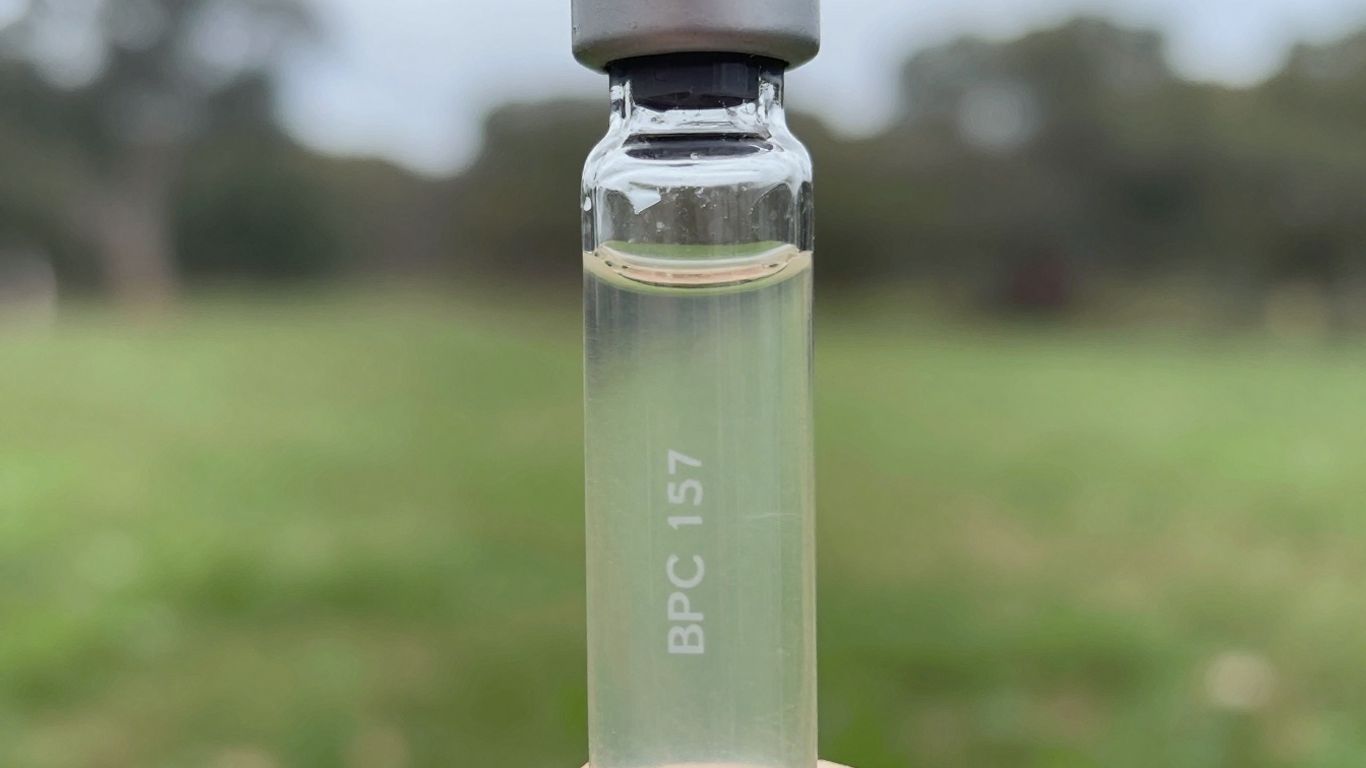
Finding BPC-157 in Australia involves a few different avenues, but it’s important to understand the landscape before you look. It’s not something you’ll find on a regular pharmacy shelf.
Compounding Pharmacies and Prescriptions
Currently, the primary legitimate route to obtaining BPC-157, or any peptide with similar therapeutic claims, is through a compounding pharmacy. These specialized pharmacies can prepare custom medications based on a prescription from a qualified healthcare professional. This means you’ll need to consult with a doctor who is knowledgeable about peptides and willing to prescribe BPC-157 for a specific medical reason. The process typically involves:
- Consultation with a Healthcare Provider: Discuss your health concerns and why you believe BPC-157 might be beneficial. This is where a doctor’s assessment is key.
- Obtaining a Prescription: If the doctor agrees that BPC-157 is appropriate for your condition, they will write a prescription.
- Visiting a Compounding Pharmacy: Take the prescription to a compounding pharmacy. They will then prepare the BPC-157 according to the doctor’s specifications.
This prescription-based approach is the only way to ensure you are receiving a product that has been prepared under controlled conditions.
Regulatory Landscape in Australia
Australia’s Therapeutic Goods Administration (TGA) has specific classifications for substances like BPC-157. It’s generally considered a Schedule 4 poison, meaning it requires a prescription. This classification is in place because it hasn’t undergone the rigorous clinical trials required for full approval as a therapeutic good. While some peptides have approved medical uses (like certain GLP-1 drugs for diabetes), BPC-157 does not have this broad approval. The TGA has previously taken action against companies for illegally promoting peptides, highlighting the strict regulatory environment.
Risks of Unregulated Sources
It’s tempting to look for BPC-157 through online channels that bypass the prescription requirement. Many vendors market these products as "research chemicals" or "not for human consumption" to circumvent regulations. However, this route carries significant risks:
- Unknown Purity and Potency: There’s no guarantee of what you’re actually getting. The product might be under-dosed, over-dosed, or contain harmful contaminants.
- Lack of Quality Control: Unregulated sources operate outside of any oversight, meaning there are no checks on manufacturing standards or sterility.
- Legal Ramifications: Importing or possessing prescription-only substances without a valid prescription can lead to legal trouble, including fines.
The allure of readily available BPC-157 online, often presented with promises of rapid healing and wellness, masks a significant risk. Without the oversight of compounding pharmacies and the guidance of a prescribing doctor, individuals are essentially experimenting with substances of unknown origin and composition. This bypasses established safety protocols and leaves users vulnerable to potentially dangerous outcomes, far removed from any legitimate therapeutic pathway.
Given these factors, approaching BPC-157 availability in Australia requires a cautious and informed perspective, prioritizing safety and legal compliance above all else.
Ethical and Legal Implications
The use of BPC-157 in Australia, as elsewhere, brings up some pretty significant ethical and legal questions for both doctors and patients. It’s a tricky area because the peptide isn’t approved for general medical use, meaning it’s not part of standard medical practice. This puts doctors in a tough spot.
Physician’s Responsibility and Patient Trust
Doctors take an oath to do no harm, and that means they’re supposed to use treatments that are proven to be safe and effective, or at least have a reasonable chance of helping without causing too much trouble. When a doctor considers using something like BPC-157, which lacks extensive human trials and regulatory approval, they’re stepping into uncharted territory. This lack of established evidence makes it difficult to uphold the core principle of patient safety. It raises questions about whether prescribing it is truly in the patient’s best interest, especially when compared to treatments that have gone through rigorous testing.
Informed Consent and Patient Autonomy
True informed consent means a patient understands all the potential upsides, downsides, and alternatives before agreeing to a treatment. With BPC-157, fully informing a patient about the risks is a challenge. Since long-term safety data is missing, doctors can’t give a complete picture of what might happen down the road. They can state that it’s not approved and that risks aren’t fully known, but a patient, especially one desperate for relief, might not fully grasp the experimental nature of the treatment. This can lead to misunderstandings and potential legal issues if adverse effects occur. Patients need to know they are essentially participating in an experiment, even if it’s offered in a clinical setting.
The Shift Towards Prohibitive Regulations
Because of these concerns, regulatory bodies and medical boards are paying closer attention. In Australia, there have been instances where practitioners have faced disciplinary action for prescribing peptides without proper justification. This signals a move towards stricter oversight. The legal landscape is also complex; if a patient experiences harm that could be linked to an unapproved substance like BPC-157, a doctor could face claims of malpractice. This is particularly true if the patient wasn’t adequately warned about the experimental nature and unknown risks. The availability of BPC-157 often comes from compounding pharmacies or overseas suppliers, which operate in a regulatory gray zone, further complicating the legal picture for prescribing physicians. It’s a situation where the desire for novel treatments clashes with the need for established safety protocols, and the law is often playing catch-up.
- Lack of FDA/TGA Approval: BPC-157 has not undergone the rigorous review process by major health regulators like the FDA in the US or the TGA in Australia for therapeutic use. This means its safety and efficacy for specific medical conditions are not officially recognized.
- Uncertainty in Long-Term Effects: The absence of large-scale, long-term human studies means that potential side effects or complications that might arise years after use are largely unknown.
- Potential for Misuse and Abuse: Without clear guidelines and oversight, there’s a risk that BPC-157 could be misused or administered at incorrect dosages, increasing the likelihood of adverse events.
The current situation with BPC-157 highlights a growing tension between the rapid development of novel biological compounds and the established frameworks for ensuring patient safety and therapeutic integrity. While the potential benefits are intriguing, the ethical and legal responsibilities associated with its use demand careful consideration and adherence to principles of evidence-based medicine.
Thinking about the rules and what’s fair is important. We need to make sure everything we do is right and follows the law. If you want to learn more about how we handle these important issues, check out our website.
Looking Ahead with Caution
So, what’s the final word on BPC-157 here in Australia? It’s a peptide that definitely sparks interest, especially with all the talk about healing and recovery. The early research, mostly done on animals, shows some pretty neat possibilities for fixing things like gut issues and injuries. But here’s the thing: we’re still a long way from knowing for sure if it’s safe and effective for people. There aren’t enough solid studies on humans, and that’s a big deal. Plus, getting your hands on it can be tricky, and you always want to make sure you’re getting something pure and safe. It?s best to talk to a doctor who really knows their stuff about peptides and to be really clear about what the science actually says versus what you read online. For now, it seems like a case of ‘wait and see’ while more research comes out.
Frequently Asked Questions
What exactly is BPC-157?
BPC-157 is a special chain made of 15 building blocks called amino acids. It’s like a tiny piece of a protein that’s found naturally in our stomach juices. Scientists made it in a lab to see if it could help heal things, especially in the stomach and gut.
What are the supposed benefits of BPC-157?
People are interested in BPC-157 because studies, mostly on animals, suggest it might help heal injuries faster, like torn muscles or damaged tendons. It’s also thought to help with stomach problems and might even have positive effects on the brain and mood, though more research is needed.
Is BPC-157 approved for use in Australia?
No, BPC-157 is not officially approved by health authorities like the TGA in Australia for general medical treatment. This means it hasn’t gone through all the strict testing required for medicines you’d get from a regular pharmacy.
Where can I get BPC-157 in Australia?
Currently, you might find BPC-157 through special pharmacies that prepare custom medications, but usually, this requires a doctor’s prescription. Be very careful with sources found online that aren’t regulated, as the quality and safety might be questionable.
Are there any safety concerns with BPC-157?
Yes, there are concerns. Because it helps cells move and grow, there’s a theoretical worry that it could potentially help cancer cells spread. Also, we don’t have enough studies on humans to know all the long-term effects or risks, especially for things like hormone balance or the immune system.
What does the research really say about BPC-157?
Most of what we know comes from studies on animals, which show promising results for healing. However, there are very few studies done on people, and none are large, well-controlled trials. This lack of human data means its effectiveness and safety for people are still largely unknown.