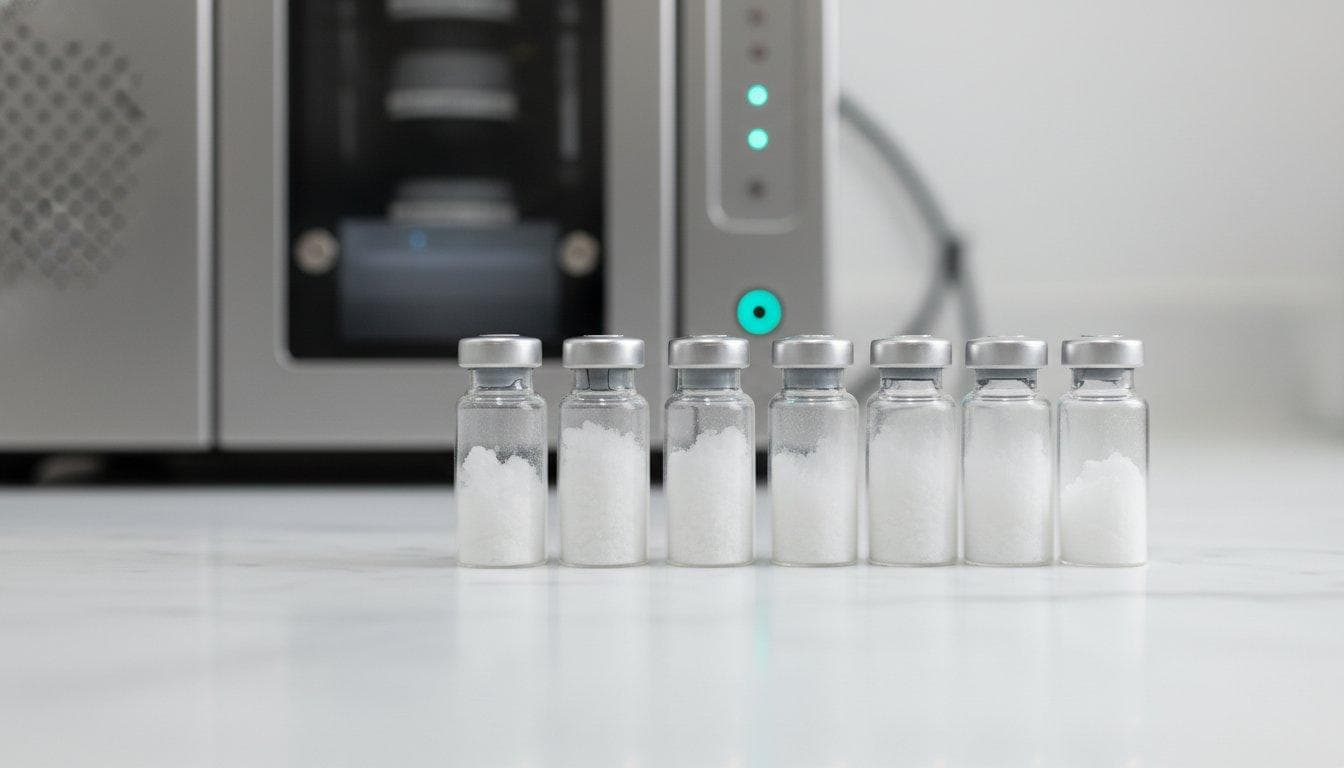

Eli Lilly’s ‘Triple G’ Drug Retatrutide Achieves Unprecedented Weight Loss, Outperforming Existing Treatments
By Peak Haven2 min read

Eli Lilly’s experimental obesity drug, retatrutide, has demonstrated remarkable weight loss results in late-stage clinical trials, potentially setting a new benchmark in the competitive weight-loss drug market. The drug, nicknamed ‘Triple G’ for its action on three key hormones, has shown efficacy that rivals surgical interventions and significantly outperforms current leading medications.
Key Takeaways
- Retatrutide achieved an average weight loss of up to 28.7% in patients over 68 weeks in a late-stage trial.
- The drug also showed significant reductions in knee osteoarthritis pain, with some patients becoming pain-free.
- Common side effects include nausea and diarrhea, though some patients discontinued treatment due to rapid weight loss.
- Retatrutide targets GLP-1, GIP, and glucagon hormones, differentiating it from existing single or dual-action drugs.
A New Era in Weight Management
Eli Lilly’s retatrutide has emerged as a frontrunner in the development of next-generation obesity treatments. In the TRIUMPH-4 trial, the highest dose of the weekly injection led to an average weight loss of 23.7% of body weight for all participants, and an impressive 28.7% for those who completed the 68-week study. This level of weight reduction has led experts to compare its effectiveness to bariatric surgery.
Beyond Weight Loss: Addressing Co-morbidities
Beyond its profound impact on weight, retatrutide also demonstrated significant benefits for patients suffering from knee osteoarthritis. The trial reported an average reduction in knee pain of up to 62.6%, with a notable percentage of participants experiencing complete relief from pain. This dual action suggests retatrutide could address multiple health concerns associated with obesity.
Mechanism of Action and Competitive Landscape
Retatrutide’s unique mechanism involves mimicking three hormones: GLP-1, GIP, and glucagon. This ‘triple G’ approach is believed to contribute to its potent effects on appetite regulation and fat metabolism. It surpasses existing drugs like semaglutide (Wegovy) which targets GLP-1, and tirzepatide (Zepbound) which targets GLP-1 and GIP.
Side Effects and Patient Experience
While the results are highly promising, retatrutide is associated with side effects similar to other GLP-1 agonists, including nausea, diarrhea, and vomiting. A notable observation was that some patients discontinued the trial due to perceived excessive weight loss, indicating the drug’s powerful impact. Approximately 18% of patients on the highest dose stopped treatment due to side effects, a rate comparable to other leading obesity medications when considering patients with higher BMIs.
Future Outlook
Eli Lilly is pursuing a comprehensive clinical trial program for retatrutide, with several additional Phase 3 trials expected to report findings by the end of 2026. The company is strategically positioning retatrutide to maintain its market leadership in the rapidly growing obesity drug sector, estimated to be worth billions of dollars.
Sources
- Eli Lilly’s weight loss drug retatrutide clears first late-stage study, CNBC.
- Next-generation obesity drug?delivers promising results, The Independent.
- ?Triple G? Retatrutide Shows ‘Insane’ Results on Weight Loss, Knee Pain, Woman’s World.
- New Eli Lilly Drug Leads to 24% Weight Loss in Study, Healthline.
- Eli Lilly Drug for 3 Obesity Targets Sets New High Bar for Weight Loss in a Clinical Trial, MedCity News.