
BPC 157 TB 500 Capsules: A Comprehensive Guide to This Popular Peptide Combination
By Peak Haven14 min read
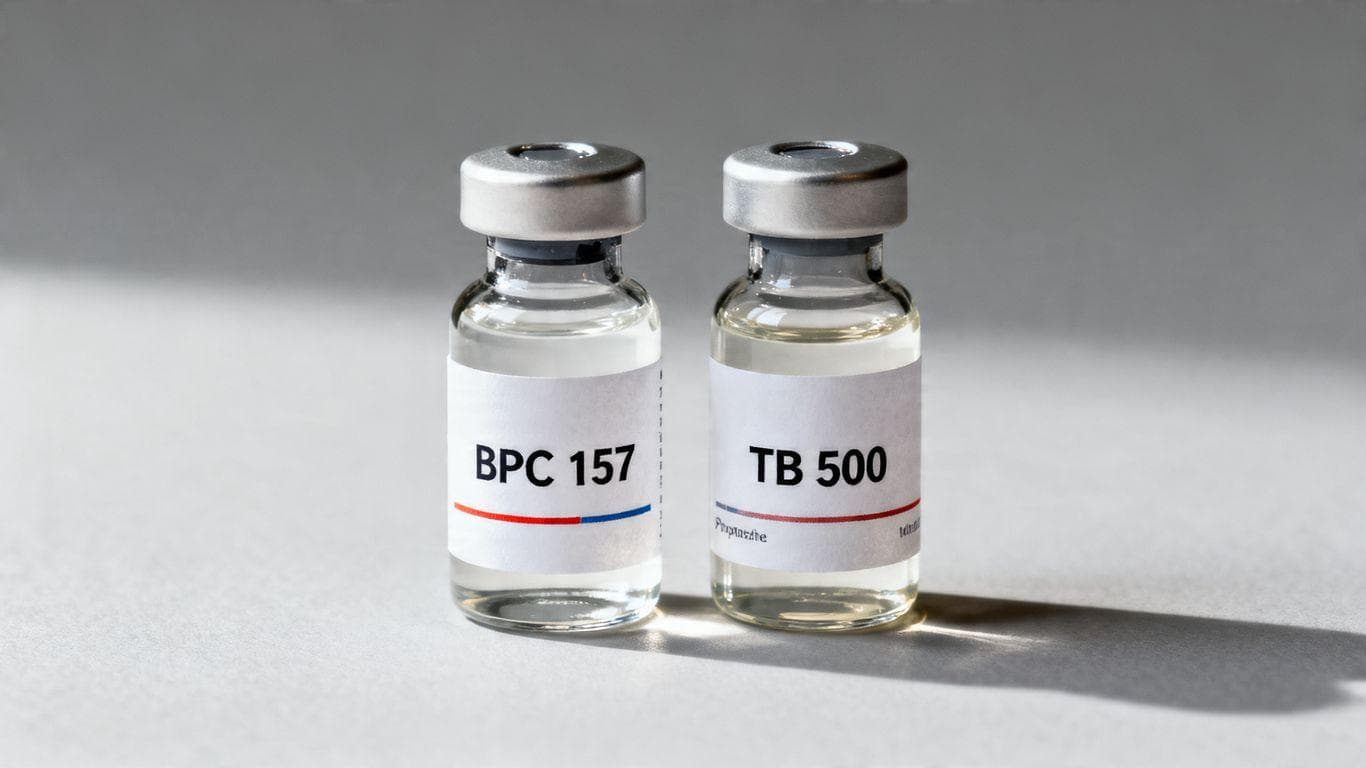
It seems like everyone is talking about combining BPC-157 and TB-500 for recovery these days. You see it mentioned in fitness circles and online forums, and it’s understandable why. This combination, often referred to as bpc 157 tb 500 capsules when taken orally, is thought to offer a way to support the body’s natural healing processes. We’ll take a look at what these peptides are, how they might work together, and what people are saying about them.
Key Takeaways
- BPC-157 and TB-500 are peptides studied for their potential roles in tissue repair and recovery.
- They are believed to work together, with BPC-157 supporting blood vessel growth and TB-500 aiding cell migration.
- Research, mostly from animal studies and user reports, suggests benefits for joint, tendon, and ligament health, along with reduced inflammation.
- These peptides are typically supplied in a purified, freeze-dried (lyophilized) form and require careful handling and storage.
- While generally considered safe, long-term human data is limited, and professional guidance is advised for use.
Understanding BPC 157 TB 500 Capsules
What Are BPC-157 and TB-500?
When people talk about BPC 157 and TB-500, they’re usually referring to a combination of two specific peptides. Think of peptides as tiny messengers in your body, made from short chains of amino acids, that help different cells communicate. BPC-157, short for Body Protection Compound-157, is a synthetic peptide. It’s designed based on a protein fragment found naturally in your stomach. Its main focus seems to be on protecting and repairing tissues, especially in the gut and soft tissues like tendons and ligaments. TB-500, on the other hand, is a lab-made version of a natural protein called Thymosin Beta-4. This one is often discussed for its role in cell movement and tissue remodeling, which can be important for healing and flexibility.
The Peptide Stack Everyone’s Talking About
This particular pairing, BPC-157 and TB-500, has become quite popular in certain circles, particularly among those interested in recovery and physical performance. It’s often called a "peptide stack" because these two are used together, aiming for a combined effect that might be greater than what each could do alone. People are drawn to this combination because the proposed actions of BPC-157 and TB-500 seem to complement each other. While BPC-157 is thought to help with tissue repair and circulation, TB-500 is associated with cell migration and rebuilding muscle fibers. This synergy is why many are exploring this duo for various recovery needs.
Key Characteristics of Each Peptide
Let’s break down what makes each peptide stand out:
- BPC-157:
- Derived from a protein found in gastric juice.
- Primarily studied for its potential to support healing in soft tissues (tendons, ligaments, muscles) and the gut lining.
- Also linked to promoting blood vessel growth and potentially reducing inflammation.
- TB-500:
- A synthetic form of Thymosin Beta-4.
- Known for its role in cell migration, which is key for tissue repair and wound healing.
- Associated with improving muscle tone, flexibility, and potentially reducing scar tissue formation.
It’s important to note that much of the current information comes from preclinical studies and user reports. Large-scale human clinical trials are still limited for both peptides individually, and even more so for the combination.
While the scientific community continues to investigate these peptides, their popularity stems from anecdotal evidence and early research suggesting a role in supporting the body’s natural healing processes. Users often report positive outcomes related to recovery and tissue repair, making this combination a subject of significant interest.
Synergistic Benefits of the Peptide Combination
When BPC-157 and TB-500 are used together, they create a powerful combination that goes beyond what either peptide can do on its own. It’s like having two specialists working on the same problem, each with their own unique skills, but coordinating their efforts for a better outcome. This pairing is really gaining attention in the health and wellness world for its ability to speed up recovery and support the body’s natural repair processes.
Complementary Mechanisms for Enhanced Healing
These two peptides work in different, yet compatible, ways to help the body heal. BPC-157 is known for its role in protecting tissues and promoting repair, especially in areas like the gut and muscles. TB-500, on the other hand, is associated with cell migration and tissue remodeling, helping to organize the repair process and improve flexibility. Together, they offer a more complete approach to healing, addressing various aspects of tissue regeneration. This means that instead of just tackling one part of the healing puzzle, the combination supports multiple stages of recovery.
Supporting Joint, Tendon, and Ligament Health
Many people turn to this peptide combination specifically for issues related to joints, tendons, and ligaments. Both BPC-157 and TB-500 have shown potential in preclinical studies to aid in the repair and strengthening of these connective tissues. BPC-157 may help improve blood flow to these areas, bringing necessary nutrients for repair, while TB-500 can assist in the organized rebuilding of tissue. This dual action can be particularly helpful for individuals recovering from injuries or dealing with chronic joint discomfort. It’s about getting these structures back to their optimal function.
Reducing Inflammation and Improving Mobility
Inflammation can be a major roadblock to recovery and can significantly impact daily life. BPC-157 has demonstrated anti-inflammatory properties, which can help calm down excessive inflammation in injured areas. TB-500 also plays a role by supporting the body’s natural healing and repair mechanisms, which indirectly helps reduce inflammation over time. By addressing inflammation and supporting tissue repair, this combination can lead to noticeable improvements in mobility and flexibility. People often report feeling less stiff and more able to move freely after using the peptides. It’s a way to help the body get back to moving without discomfort.
It’s important to remember that while these peptides work well together, they should not be mixed in the same vial. Each has specific requirements, and combining them can reduce their effectiveness. Using them separately, often at the same time but in different locations, is the recommended approach to maintain their individual stability and maximize their benefits.
Scientific Basis and Research Insights
Preclinical Data and User Reports
Much of what we know about BPC-157 and TB-500 comes from studies done in labs, often with animals. These studies have looked at how these peptides might help with healing. For example, research in rodents has suggested that BPC-157 could help grow new blood vessels and make cells that build tendons work better. It’s also been observed to reduce inflammation in these models. TB-500, a part of Thymosin Beta-4, has been studied for its role in cell movement, which is pretty important when your body is trying to fix itself.
While these lab findings are interesting, it’s important to remember they don’t always translate directly to people. User reports, often shared online or through word-of-mouth, tend to describe positive experiences with recovery and reduced pain. However, these accounts aren’t controlled studies and can be influenced by many factors, including the placebo effect.
Role in Tissue Repair and Regeneration
Both BPC-157 and TB-500 are thought to play a part in the body’s natural repair processes. BPC-157, for instance, is believed to support the repair of various tissues, including tendons, ligaments, muscles, and even the gut lining. It seems to do this by influencing growth factors and reducing inflammation, creating a better environment for healing. TB-500, on the other hand, is associated with cell migration. Think of it like guiding the right cells to the damaged area to start the rebuilding process.
When used together, the idea is that they work in a complementary way. TB-500 might help organize the structural repair, while BPC-157 could support the blood supply and healing signals needed for that repair to take hold.
Angiogenesis and Cell Migration Support
Two key processes that researchers are looking at with these peptides are angiogenesis and cell migration. Angiogenesis is the creation of new blood vessels. Better blood flow means more oxygen and nutrients can get to damaged areas, which is vital for healing. BPC-157 has shown potential in preclinical studies to promote this process.
Cell migration is the movement of cells to where they are needed. TB-500 is particularly noted for its role here. It’s thought to help cells move more freely and efficiently, which is a necessary step in repairing damaged tissues.
It’s worth noting that while preclinical data and anecdotal reports suggest potential benefits, robust human clinical trials are still limited. The scientific community is actively researching these peptides, but definitive conclusions about their efficacy and safety in humans for specific conditions are still being formed.
Quality, Formulation, and Handling
When you’re looking into peptides like BPC-157 and TB-500, how they’re made and how you handle them really matters. It’s not just about the active ingredients; it’s about the whole package. Think of it like baking a cake ? you need good ingredients, sure, but the way you mix them and bake it makes all the difference.
Purified Lyophilized Forms
Most reputable sources will provide these peptides in a lyophilized, or freeze-dried, powder form. This process helps to stabilize the peptides, making them last longer before they’re reconstituted. It’s a standard method for preserving sensitive biological compounds. The goal is to maintain the integrity of the peptide until it’s ready for use. When you receive your product, it should look like a fine, dry powder, usually in a sealed glass vial.
Transparency and Third-Party Analysis
This is a big one. You want to know what’s actually in the vial. Companies that are serious about quality will have their products tested by independent labs. These tests, often using High-Performance Liquid Chromatography (HPLC) and mass spectrometry, check for purity and confirm the peptide’s identity. They should be able to provide you with a Certificate of Analysis (CoA) for the specific batch you have. This document is your proof that the product meets certain standards and isn’t contaminated with unwanted chemicals or other substances.
Reconstitution and Storage Guidelines
Once you have the lyophilized powder, you’ll need to mix it with a liquid, usually sterile bacteriostatic water, to create a solution. This is called reconstitution. It’s important to follow the specific instructions provided with your peptide. Improper reconstitution can affect stability and potency.
- Use sterile equipment: Always use sterile syringes and vials to avoid introducing contaminants.
- Refrigerate after reconstitution: Once mixed, the peptide solution is much less stable. It needs to be kept in the refrigerator.
- Note the expiration: Reconstituted solutions typically have a limited shelf life, often a few weeks, even when refrigerated. Mark the date you reconstituted it on the vial.
Handling peptides requires a careful approach. The manufacturing process, from the raw chemicals used to the final purification steps, can introduce impurities if not done correctly. Residual solvents or incorrect peptide sequences are real concerns with unregulated sources. Always prioritize products that come with clear documentation about their purity and testing.
Getting the formulation and handling right is key to making sure you’re using a safe and effective product. It takes a bit of attention to detail, but it’s worth it for your peace of mind and the potential benefits you’re seeking.
Practical Considerations for Use
When thinking about using BPC 157 and TB-500 together, it’s important to get the details right. This isn’t like grabbing a vitamin off the shelf; it requires a bit more attention to how you use it to get the best results and stay safe. Proper administration is key to preserving the stability and maximizing the potential of these peptides.
Dosage and Administration Protocols
Figuring out the right amount and how to take it can seem tricky. Different sources might suggest various approaches, but generally, the goal is to find a balance that works for your specific needs without overdoing it. It’s often recommended to start with lower doses and see how your body responds before considering increases.
- Typical Dosage Range: While not standardized, common daily doses for BPC-157 range from 200-500 mcg, and for TB-500, it’s often between 2-5 mg. These can be taken separately or combined, depending on the protocol.
- Frequency: Daily administration is common, though some protocols might involve less frequent dosing, especially for TB-500.
- Method: Both peptides can be administered via injection (subcutaneous or intramuscular) or, in some cases, orally for BPC-157. The method can influence absorption and effectiveness.
Cycle Duration and Breaks
Deciding how long to use the peptides and when to take a break is another piece of the puzzle. Peptides aren’t typically meant for continuous, indefinite use. Taking breaks allows your body to reset and can help prevent potential desensitization or other issues.
- Typical Cycle Length: Cycles often range from 4 to 12 weeks.
- Break Periods: After a cycle, a break of equal or longer duration is frequently advised. This period allows the body to recover and assess the benefits gained.
- Individualized Approach: The ideal cycle and break schedule can vary based on individual goals, response, and the specific condition being addressed.
Important Administration Tips
Getting the administration right involves more than just the dose. It’s about the whole process, from preparation to storage. Paying attention to these details can make a big difference.
- Reconstitution: Lyophilized peptides need to be mixed with a sterile bacteriostatic water or saline solution. Always use sterile techniques to avoid contamination.
- Storage: Once reconstituted, peptides are sensitive. Store them in the refrigerator (2-8?C or 36-46?F) and use within the recommended timeframe (often 2-4 weeks).
- Separate Mixing: To maintain stability, it’s often best to reconstitute and dose each peptide separately rather than mixing them together in the same vial long-term.
The effectiveness and safety of any peptide regimen are heavily influenced by the quality of the product and the precision of its administration. Unregulated sources can lead to products with unknown purity, potentially containing harmful contaminants. Adhering to recommended storage and handling practices is vital for maintaining the integrity of the peptides and minimizing risks.
For those considering these peptides, consulting with a healthcare professional experienced in peptide therapy is highly recommended. They can help tailor a protocol to your specific needs and monitor your progress. You can find more information on peptide consultations and how they can fit into a wellness plan by booking a peptide consult. Remember, responsible use and professional guidance are paramount when working with these compounds.
Safety Profile and Usage Cautions
General Safety and Potential Side Effects
While many users report a good experience with BPC 157 and TB-500, it’s important to be aware of potential issues. Generally, these peptides are considered to have a low risk of serious side effects. However, some individuals might experience mild reactions. These can include things like irritation at the injection site, headaches, or feeling a bit dizzy. If you’re taking BPC-157 orally, some people have noted gastrointestinal discomfort or nausea. It’s always a good idea to start with a lower dose to see how your body reacts.
Limited Long-Term Human Data
One of the biggest considerations with BPC 157 and TB-500 is the lack of extensive long-term studies in humans. Most of the information we have comes from animal studies, anecdotal user reports, and small, sometimes limited, human trials. This means we don’t fully understand how these peptides might affect the body over many years. Because of this, responsible use and careful monitoring are really important. We just don’t have the kind of data that comes from large, regulated clinical trials for many medical treatments. This is why many sources classify these peptides as research chemicals, not approved medications. You can find more details on the known effects and applications of BPC-157 here.
Responsible Use and Professional Guidance
Given the current research landscape, it’s wise to approach the use of BPC 157 and TB-500 with caution. Always consult with a qualified healthcare professional before starting any new supplement regimen, especially one involving peptides. They can help you assess if it’s appropriate for your specific situation and discuss potential risks and benefits. It’s also important to source these peptides from reputable suppliers who provide third-party testing for purity and authenticity. Remember, these substances are not approved by major regulatory bodies for medical use, and their manufacturing is not standardized like pharmaceutical drugs. This means product quality can vary significantly. If you experience any adverse reactions, discontinue use and seek medical advice immediately.
When using our products, it’s important to be aware of the safety guidelines. We want to make sure you have a great experience while staying safe. For detailed information on how to use our products correctly and any precautions you should take, please visit our website. We’ve put together helpful resources to ensure you get the most out of your purchase.
Wrapping Up Our Look at BPC 157 and TB 500
So, we’ve gone over what BPC 157 and TB 500 are all about. They seem to be pretty interesting compounds when it comes to helping the body recover and repair itself. People talk about them helping with tissue repair, keeping joints feeling good, and generally bouncing back after tough workouts or injuries. It’s clear there’s a lot of interest in how these peptides might work together, with one focusing on structural stuff and the other on circulation and protection. While research is ongoing, and it’s always smart to talk to a doctor before trying anything new, it’s easy to see why these two are getting so much attention in the wellness and recovery space. They offer a different angle for people looking to support their body’s natural healing processes.
Frequently Asked Questions
What are BPC-157 and TB-500?
BPC-157 is a compound that helps protect the body and is thought to aid in healing different tissues. TB-500 is a man-made version of a natural protein that helps cells move and repair themselves. People often use them together because they seem to help the body heal in different but useful ways.
How do BPC-157 and TB-500 work together?
Think of them as a team. BPC-157 is believed to help repair blood vessels and connective tissues, while TB-500 is thought to help with cell movement and rebuilding muscle fibers. When used together, they may offer more complete support for healing and recovery than either one could alone.
What kind of results can people expect?
Many people report that using BPC-157 and TB-500 helps them recover faster from injuries, feel less pain, and move more easily. Some notice changes in just a few days, while for others, the benefits build up over time. It’s important to remember that everyone’s body is different.
Are there any risks or side effects?
Generally, these peptides are considered safe for many people, and serious side effects are not common. Some individuals might experience minor issues like a sore spot where they injected, a mild headache, or feeling a bit dizzy. However, there isn’t a lot of long-term study on people, so it’s wise to be careful.
How are BPC-157 and TB-500 usually taken?
They are often given as injections, sometimes near the area that needs healing. It’s important not to mix them in the same syringe because they work best separately. People usually follow specific plans for how much to use and for how long, often for a few weeks at a time.
Where can I learn more about using these peptides?
It’s best to talk to a doctor or a healthcare professional who knows about peptides. They can give you advice based on your specific health needs and help you understand the best way to use them safely and effectively. They can also explain the current research and what is known about their use.