Looking for information on peptides in Australia? You’ve probably ended up on Reddit, and that’s a good place to start. This guide is here to help you sort through the noise, understand what people are saying, and figure out how to find what you’re looking for safely. We’ll cover how to read reviews, where to look for suppliers, and what to watch out for when buying.
Key Takeaways
- Reddit can be a useful, but sometimes confusing, place to find peptides AU reviews. Look for consistent themes and user experiences to get a clearer picture.
- When looking for Australian suppliers, check what users mention online. Be wary of suppliers with no clear information or too many negative comments.
- Purity is important. High-quality peptides often come with third-party testing results. If a supplier can’t provide this, it’s a red flag.
- Be aware of the risks involved in buying peptides online, especially from less reputable sources. Understand terms like ‘blast and cruise’ and the need for post-cycle therapy.
- Focus on ingredient sourcing and safety. Look for suppliers who are open about where their ingredients come from and have data to back up their claims, not just opinions.
Navigating Reddit For Peptides AU Reviews
Reddit can be a goldmine for information, especially when you’re looking into specific products like peptides available in Australia. It’s where real people share their experiences, the good and the bad. Think of it as a massive, ongoing conversation about what works, what doesn’t, and what to watch out for. The key is learning to sift through the noise to find the genuinely helpful discussions.
Understanding User Experiences on Reddit
When you land on a subreddit dedicated to peptides or performance-enhancing drugs (PEDs), you’ll find a mix of posts. Some users are sharing detailed logs of their cycles, including dosages, perceived effects, and side effects. Others are asking for advice on sourcing, product recommendations, or troubleshooting issues. You might see discussions about specific peptides like BPC-157, CJC-1295, or Ipamorelin, with users detailing their personal results and how they integrated them into their routines. It’s important to remember that everyone’s body chemistry is different, so what works for one person might not have the same effect on another. Anecdotal evidence is plentiful, but it’s just that – personal accounts.
Identifying Trustworthy Discussions
Spotting reliable information on Reddit requires a bit of detective work. Look for users who provide detailed, consistent accounts over time, rather than one-off posts. Check if they mention their research methods, any lab tests they’ve done, or if they’re transparent about potential biases. Be wary of overly enthusiastic or aggressive posts that seem to push a particular product or supplier without offering balanced information. A good sign of trustworthiness is when users discuss potential downsides or challenges alongside the benefits. Also, consider the age and activity of the account; established users with a history of helpful contributions are often more credible.
Common Themes in Peptides AU Reddit Threads
Across various Australian-focused threads, several topics pop up repeatedly. Sourcing is a big one, with users frequently asking about reputable suppliers within Australia or those that ship reliably to the country. Purity and quality concerns are also common, often leading to discussions about third-party testing and how to identify counterfeit or substandard products. You’ll also find threads dedicated to specific peptide applications, such as muscle growth, fat loss, injury recovery, or general well-being. Sometimes, discussions touch upon the legalities and risks associated with acquiring and using these substances in Australia, though these conversations can be more guarded.
When evaluating information found on Reddit, always cross-reference it with other sources. No single post or thread should be taken as definitive fact. Consider the user’s background, their stated goals, and the consistency of their information. Remember that personal experiences, while informative, are not a substitute for scientific research or professional medical advice.
Sourcing Peptides In Australia: What To Look For
Finding reliable sources for peptides in Australia can feel like a maze, especially with so much information floating around online. It’s not just about finding a supplier; it’s about finding one you can trust with your health and your wallet. When you’re looking to buy, there are a few things that really stand out.
Australian Suppliers Mentioned Online
Discussions on forums and review sites often bring up specific Australian suppliers. People tend to share their experiences, both good and bad, about companies operating within the country. Keep an eye out for recurring names, but also be aware that online mentions don’t always guarantee quality or legitimacy. It’s wise to cross-reference any supplier you find with independent reviews or community feedback.
Factors Influencing Sourcing Decisions
When deciding where to get your peptides, several factors come into play. Price is obviously a big one, but it shouldn’t be the only factor. Shipping times and costs are also important, especially if you need your order quickly. Look for suppliers who are transparent about their shipping policies and offer reasonable delivery options within Australia. Customer service is another key point; a supplier that’s responsive and helpful can make a huge difference if you run into any issues.
- Transparency: Does the supplier clearly state where their products come from and what testing they undergo?
- Customer Support: Are they easy to contact and do they respond to inquiries promptly?
- Shipping & Returns: Are shipping costs clear, and are there options for tracking and returns?
- Product Range: Do they offer the specific peptides you are looking for?
Red Flags When Choosing a Supplier
Some signs should make you pause and reconsider a supplier. If a website looks unprofessional, has poor grammar, or lacks clear contact information, that’s a bad sign. Be wary of suppliers who make outlandish claims or promise unrealistic results. Also, if a supplier is unwilling to provide information about their product testing or sourcing, it’s best to look elsewhere. Unclear pricing, hidden fees, or a lack of secure payment options are also major red flags.
It’s easy to get caught up in the excitement of finding a new product, but taking a step back to assess the supplier is always the smarter move. Think of it like buying a used car; you wouldn’t just hand over cash without checking it out first, right? The same applies here.
- Lack of detailed product information.
- No clear contact details or physical address.
- Unsolicited or overly aggressive marketing.
- Payment methods that seem insecure or unusual.
Assessing Peptide Purity And Quality
When you’re looking into peptides, understanding what you’re actually getting is pretty important. It’s not just about the name of the peptide; it’s about how pure it is and if it’s actually good quality. This can make a big difference in how effective it is and if it causes any unwanted side effects.
What Purity Means for Peptides
Purity, in the context of peptides, refers to the percentage of the desired peptide molecule present in the final product. Often, what you buy isn’t 100% pure peptide. It can contain other substances like residual solvents from the manufacturing process, salts, or even other peptide fragments. A higher purity level generally means a more potent and predictable product. For example, a peptide listed as 98% pure means that 98% of the mass is the intended peptide, with the remaining 2% being impurities.
Signs of High-Quality Peptides
Spotting good quality peptides isn’t always straightforward, but there are some indicators. First, look for clear and detailed product descriptions. Suppliers should provide information about the peptide’s sequence, molecular weight, and purity. Second, the physical appearance can sometimes offer clues; high-quality peptides are typically white, fluffy powders that dissolve easily in the appropriate solvent. Finally, consistent results reported by users, especially when they mention specific batch numbers or supplier details, can suggest reliability.
The Role of Third-Party Testing
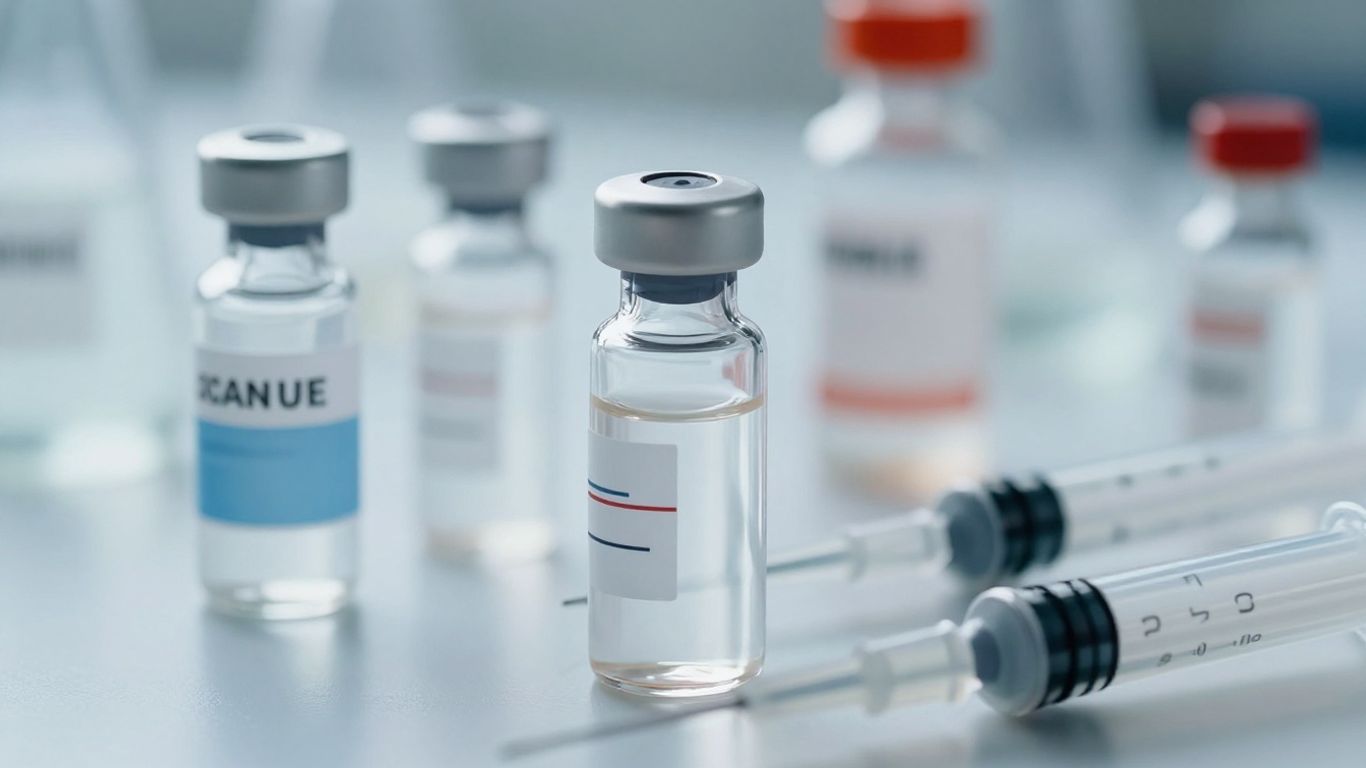
This is where things get serious. Third-party testing is the gold standard for verifying peptide quality. Reputable suppliers will send samples of their products to independent laboratories for analysis. These labs check for identity, purity, and concentration. The results are usually presented in a Certificate of Analysis (CoA). Always look for suppliers who perform third-party lab testing on each batch. This testing confirms the peptide’s purity and concentration, ensuring you receive a high-quality product [f086]. Without this, you’re essentially taking a gamble on what’s in the vial.
Here’s a simplified look at what a CoA might cover:
- Identity: Confirms the substance is indeed the peptide it’s supposed to be.
- Purity: Shows the percentage of the target peptide versus impurities.
- Concentration: Indicates the amount of peptide per unit volume or weight.
- Endotoxins/Microbial Limits: Checks for harmful bacteria or their byproducts.
It’s easy to get caught up in the excitement of trying new peptides, but taking a moment to scrutinize the quality is a responsible step. The difference between a pure, well-manufactured peptide and a contaminated or degraded one can be significant, impacting everything from your results to your health. Always prioritize transparency from the supplier regarding their testing procedures.
Common Pitfalls In Peptide Acquisition
When looking into peptides, it’s easy to get caught up in the potential benefits, but there are definitely some traps people fall into. Understanding these pitfalls can save you a lot of trouble, and maybe even some money and health issues.
Risks of Online and Dark Web Purchases
Buying peptides online, especially from less reputable sources or the dark web, comes with significant risks. You might think you’re getting a great deal, but what you receive could be anything from underdosed to completely fake, or even contaminated. The lack of regulation in these spaces means there’s no guarantee of what’s actually in the vial. Some studies suggest a large percentage of users acquire these substances online or through the dark web, highlighting how common this route is, but also how risky.
Understanding 'Blast and Cruise' Regimes
Many users, particularly those interested in performance enhancement, adopt what’s known as a ‘blast and cruise’ (B&C) method. This involves taking high doses (‘blasting’) for a period, followed by a lower, continuous dose (‘cruising’) rather than taking breaks. This differs from traditional ‘cycling’, where users take breaks between periods of use. The B&C approach is often associated with the use of specific compounds like testosterone and trenbolone, and it can lead to prolonged suppression of natural hormone production.
The Importance of Post-Cycle Therapy (PCT)
Following a cycle of certain performance-enhancing substances, the body’s natural hormone production can be significantly suppressed. Post-Cycle Therapy (PCT) is the process used to help restart this natural production. It’s a critical step for many users aiming to maintain gains and restore hormonal balance after a period of exogenous hormone use. Without proper PCT, users can face prolonged recovery times and potential long-term health issues.
Here’s a look at common acquisition methods and associated risks:
- Online Retailers: Convenient, but quality and authenticity can vary wildly. Look for suppliers with transparent testing and good reviews, but even then, caution is advised.
- Dark Web Markets: Offers anonymity but comes with extreme risks. Products are unregulated, and scams are common. There’s no recourse if something goes wrong.
- Social Connections/Dealers: While sometimes perceived as more reliable, this still lacks any form of quality control or testing. You’re relying on someone else’s word.
The allure of quick results or enhanced performance can lead individuals down paths where product quality and safety are compromised. It’s vital to approach peptide acquisition with a clear understanding of the potential downsides and to prioritize reliable information and sourcing, even if it means a slower or more expensive route.
Ingredient Scrutiny And Safety
Evaluating Ingredient Sourcing Practices
When looking into peptides, it’s important to consider where the ingredients come from. Reputable suppliers will be transparent about their sourcing. They should be able to tell you if their ingredients are ethically sourced and if they meet certain standards. For example, some companies work with suppliers who are part of programs that ensure ethical practices and animal welfare. This kind of information shows they care about more than just the final product. It’s about the whole process.
The Science Behind Ingredient Choices
It’s not just about where ingredients come from, but also why they are chosen. Companies should select ingredients that are not only effective but also safe. This means looking at ingredients that are gentle and unlikely to cause irritation. Some ingredients, even natural ones, can cause reactions in sensitive individuals. The goal is to find ingredients that are as safe as possible, even if accidentally ingested or absorbed. This often means choosing ingredients that are also used in food products, as they have a known safety profile. For instance, ingredients like Aloe Vera or certain plant oils are often chosen for their beneficial properties and safety.
Distinguishing Between Ingredient Data and Anecdotes
When researching peptides, you’ll come across a lot of information. Some of it is based on scientific data, and some is just personal stories or opinions. It’s important to be able to tell the difference. Scientific data, like results from lab tests or studies, provides more reliable information about an ingredient’s safety and effectiveness. Anecdotes, while sometimes helpful, are based on individual experiences and can vary greatly. For example, claims about a peptide’s effects might be backed by research or simply by what someone said on a forum. Always try to find evidence-based information when making decisions about what to use. Understanding user experiences on Reddit can be a starting point, but it shouldn’t be the only source of information. It’s wise to look for independent testing results or scientific literature to back up claims about ingredient quality and safety. This is especially true when considering products that might have significant questions regarding their safety and effectiveness.
- Look for suppliers who provide detailed information about their ingredient sourcing.
- Prioritize ingredients that have a proven safety record and are known to be gentle.
- Seek out scientific data and testing results rather than relying solely on personal testimonials.
The term "Dermatologically Tested" often appears on products, but it lacks a strict definition or regulation. Some companies go the extra mile by conducting independent lab tests on individuals with sensitive skin to provide more concrete evidence of a product’s gentleness and safety.
User Experiences With Performance Enhancing Drugs
When people talk about peptides and other substances for performance or appearance, they often share their personal journeys online. Reddit, in particular, has become a place where users discuss their experiences, the good and the bad. It’s a mixed bag, with some reporting positive results and others detailing significant issues.
Impact of Pandemic on PIED Use
The COVID-19 pandemic really shook things up for a lot of people, including those using performance and image-enhancing drugs (PIEDs). Lockdowns and restrictions meant changes to training routines and access to gyms. Some users reported that this period led to shifts in how they acquired and used these substances. For instance, with gyms closed, some individuals might have focused more on at-home training or adjusted their drug cycles accordingly. Online forums and social media saw increased activity as users tried to connect and share information during isolation.
Acquisition Methods for PIEDs
Getting these substances isn’t always straightforward. Historically, people have turned to various sources. Online purchases have become very common, with many users reporting that they buy directly from websites. The dark web is another avenue, though it comes with its own set of risks. Some individuals also source through personal connections, like friends or known dealers. The pandemic might have influenced these methods too, potentially pushing more people towards online channels when in-person interactions became difficult.
Here’s a general look at how people have reported acquiring PIEDs:
- Online Suppliers: Websites that market and sell these compounds directly.
- Dark Web Markets: Anonymous online marketplaces.
- Personal Networks: Sourcing from friends or acquaintances.
- Dealers: Individuals who act as intermediaries.
Reported Changes in PIED Quality and Cost
There’s a lot of chatter about whether the quality and price of PIEDs have changed over time, especially with global events like the pandemic. Some users on forums suggest that supply chain disruptions or increased demand have led to price fluctuations. There are also discussions about inconsistent product quality, with some batches seeming less potent or even contaminated. This variability in quality is a major concern for users, as it can impact both their results and their health.
The landscape of PIED acquisition and use is constantly evolving. Factors like global events, regulatory changes, and the accessibility of information online all play a role in how individuals approach these substances. Understanding these trends is key to grasping the user experience.
Exploring the world of performance enhancers can be complex. Many people share their real-life stories about using these substances. Understanding these user experiences is key to making informed choices. If you’re curious about how these drugs affect people, dive deeper into the discussions and personal accounts. Visit our website to learn more about user experiences with performance enhancing drugs and find valuable insights.
Wrapping Up: What to Keep in Mind
So, we’ve talked a lot about peptides, where to find them, and why checking their quality is a big deal. It seems like a lot of people online, especially on places like Reddit, are sharing their experiences, which can be helpful. But, you’ve got to be smart about it. Not everything you read is gold, and sometimes, what looks good on paper might not be the real deal when it arrives. Always try to find out where your peptides are coming from and if the seller can show you proof of what’s actually in them. It’s not just about getting what you paid for; it’s about making sure what you’re putting into your body is safe and what it claims to be. Do your homework, ask questions, and don’t be afraid to look for more information if something doesn’t feel right. Staying informed is your best bet.
Frequently Asked Questions
What are peptides and why do people talk about them on Reddit?
Peptides are like tiny building blocks for proteins in your body. People discuss them on Reddit because they share experiences, ask questions, and review products they’ve bought, especially those from Australian suppliers. It’s a place to get real opinions from others who have used them.
How can I find good peptide suppliers in Australia by looking at Reddit?
When checking Reddit, look for discussions where users mention specific Australian companies they’ve bought from. Pay attention to comments about the quality of the product, how fast it arrived, and if the company was easy to deal with. Be cautious of overly positive or negative posts that seem fake.
What should I watch out for when checking if a peptide is pure and good quality?
High-quality peptides should be pure, meaning they don’t have a lot of extra stuff mixed in. Look for reviews that mention third-party testing results, which are like independent lab reports proving the product’s purity. If a supplier doesn’t offer this, it’s a warning sign.
Are there common mistakes people make when buying peptides?
Yes, some common mistakes include buying from unknown websites or the dark web, which can be risky because you don’t know what you’re getting. Also, some people might not understand how to use peptides safely, like not planning for recovery periods after use.
How do I know if the ingredients in peptides are safe and sourced well?
Reputable companies are open about where they get their ingredients and how they ensure they are safe. They often share information from studies, not just random opinions. Look for companies that focus on using ingredients that are gentle and effective, and avoid those that make unclear claims.
Has the quality or availability of performance-enhancing drugs changed recently?
Some studies suggest that events like the pandemic may have affected how people get and use performance-enhancing drugs. There have been reports of changes in both the quality and cost of these substances, making it harder for some users to get what they need.

 Are you over 18 years old?
This website requires you to be 18 years or older to enter our website and see the content.
Are you over 18 years old?
This website requires you to be 18 years or older to enter our website and see the content.

 by
by 


