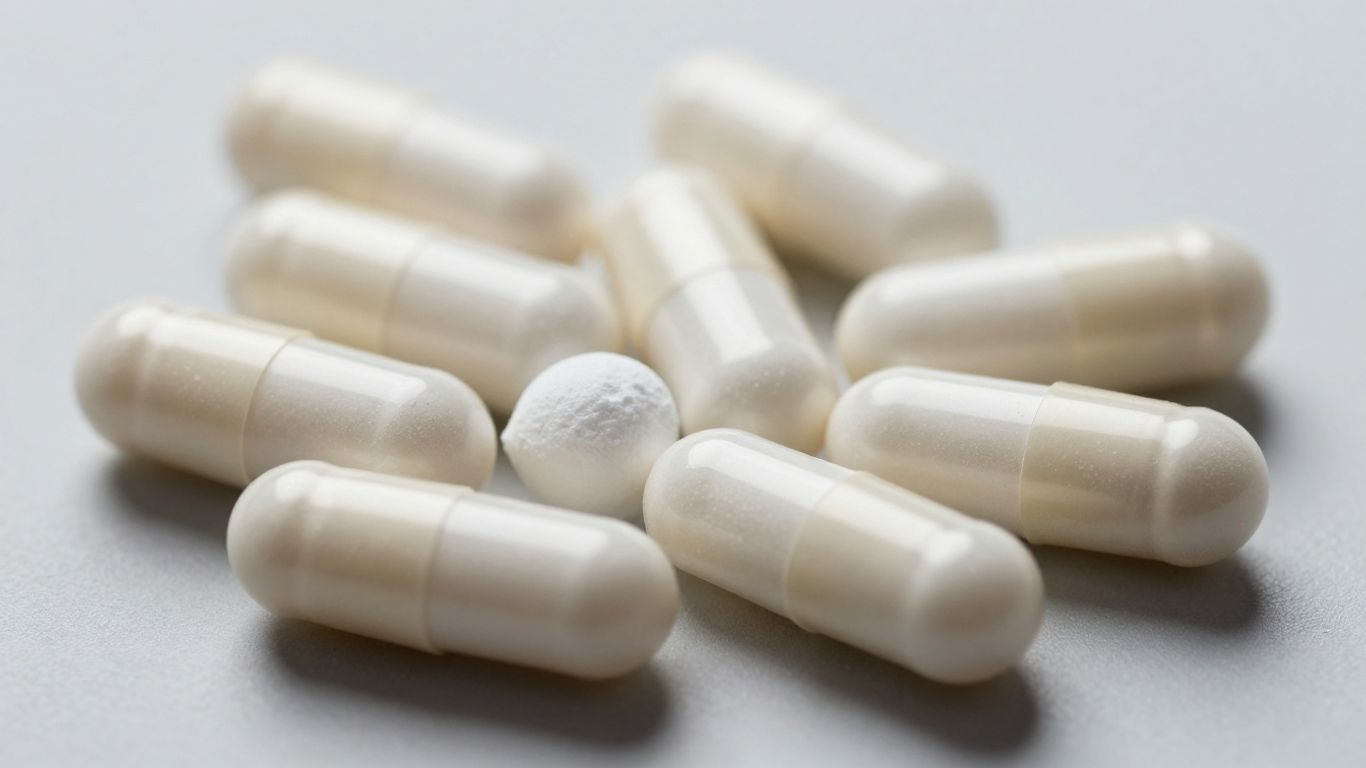
There’s a lot of talk lately about TB500 capsules, and honestly, it can get confusing. People are hearing about potential benefits for healing and recovery, but then there’s also the whole unregulated side of things. It’s kind of a minefield out there if you’re just trying to figure out what’s what. This article aims to break down what you should know before you even think about buying or using TB500 capsules, covering the basics, the risks, and what alternatives might be out there.
Key Takeaways
- TB500 is a synthetic peptide related to thymosin beta-4, explored for its potential in tissue repair and reducing inflammation, but it’s not FDA-approved.
- The market for TB500 capsules is largely unregulated, raising concerns about product purity, accurate dosing, and potential contamination, especially when comparing research-grade to pharmaceutical-grade.
- While some users report benefits like faster wound healing and reduced pain, the short-term and long-term side effects of TB500 capsules are not well-documented, and there are questions about its impact on the immune system and potential cancer risks.
- Prescribing or recommending unapproved substances like TB500 capsules can lead to medical malpractice issues for healthcare providers, and patient safety should always be the top priority.
- Safer, evidence-based alternatives for recovery and health include consulting with healthcare professionals for approved treatments, focusing on proper nutrition and rest, and engaging in physical therapy.
Understanding TB500 Capsules: The Basics
What Is TB500?
TB-500 is a synthetic peptide that’s been making waves in certain circles, often talked about for its potential to help with healing and recovery. It’s essentially a lab-created version of a naturally occurring protein fragment found in the body. People are curious about it because early research, mostly in animals, suggests it might play a role in tissue repair and reducing inflammation. It’s not something you’ll find prescribed by your doctor for a common ailment, though. Its presence is more in the research and alternative health communities right now.
TB500's Connection to Thymosin Beta-4
So, TB-500 is directly linked to something called Thymosin Beta-4 (TB4). Think of TB4 as the original blueprint. It’s a natural peptide in our bodies that’s really important, especially when we’re developing in the womb, and it’s known to be involved in a bunch of repair processes. TB-500 is basically a piece of that TB4, specifically a part that scientists believe is responsible for some of its key actions, like helping cells move around and bind to things. The idea is that by isolating this active part, they might be able to create something with focused benefits. Most of what we know about TB-500’s potential comes from studies on TB4 itself, as there’s less direct research on TB-500 as a standalone compound.
Potential Mechanisms of Action
How does TB-500 supposedly work? Well, the main theory revolves around its connection to actin, a protein found in all our cells. TB-500 is thought to bind to actin, which can then influence cell behavior. This binding is believed to help with:
- Cell Migration: It might help cells move to where they’re needed for repair.
- Tissue Repair: By supporting cell movement and growth, it could speed up the healing of damaged tissues.
- Inflammation Control: Some research hints that it could help calm down inflammatory responses.
It’s also suggested that TB-500 might have better absorption compared to the full TB4 peptide, possibly due to its smaller size and a modification called N-terminal acetylation, which can help stabilize it. This is still largely based on assumptions and the behavior of TB4, not extensive studies on TB-500 itself.
The journey from a naturally occurring peptide to a synthetic compound like TB-500 involves isolating specific functions. While the natural peptide has roles in development and repair, the synthetic version aims to harness those properties, though direct human studies are limited.
The Unregulated Landscape of TB500 Capsules
Lack of FDA Approval
First off, it’s important to know that TB500 isn’t approved by the FDA for any use in people. This isn’t just a bureaucratic detail; it means TB500 hasn’t gone through the strict testing needed to prove it’s safe and actually works the way people claim. When something isn’t FDA-approved, it’s a big red flag. It’s like buying a car without crash tests – you just don’t know how it will hold up.
Concerns Over Unregulated Production
Because TB500 isn’t regulated, there’s no real oversight on how it’s made. This is where things get dicey. You might be getting a product that’s not pure, has the wrong amount of the active ingredient, or worse, is contaminated with other stuff that could be harmful. It’s a bit of a gamble every time you take a capsule.
- Purity: You can’t be sure what’s actually in the bottle.
- Dosage: The amount listed might not be what you’re actually getting.
- Contamination: Unknown substances could be mixed in.
The lack of oversight in production means that the quality and safety of TB500 capsules can vary wildly from one batch to another, and from one seller to another. This unpredictability adds a significant layer of risk for anyone considering its use.
Distinguishing Research-Grade from Pharmaceutical-Grade
When you look online for TB500, you’ll often see it advertised as "research-grade." This term sounds official, but it’s often a way to sell products that aren’t meant for human consumption. Pharmaceutical-grade means it meets high standards for purity and safety, suitable for people. Research-grade, on the other hand, has much looser standards and might contain impurities or be incomplete. Using research-grade peptides means you could be injecting yourself with unknown contaminants, which is a serious health risk.
Potential Benefits and Reported Effects
Wound Healing and Tissue Regeneration
People often talk about TB-500 in relation to healing. The idea is that it helps damaged cells and tissues get fixed up faster. Some research, mostly done on animals, suggests it might speed up how wounds close and help new blood vessels form. This could mean less scarring too. It’s also been looked at for helping with things like heart injuries and even eye dryness. The theory is that it mimics a natural body process that helps repair things.
Reducing Inflammation and Pain
Another area where TB-500 gets attention is for its supposed ability to calm down inflammation. Inflammation is linked to a lot of health problems and pain. Studies, again mostly in labs or on animals, have hinted that TB-500 might play a role in reducing inflammatory responses. This could potentially translate to less pain for some individuals, though human studies are limited.
Enhancing Flexibility and Mobility
Some users report feeling more flexible and mobile after using TB-500. This is thought to be connected to its potential effects on tissue repair and reducing inflammation. When tissues are healthier and less inflamed, it might make movement easier. However, this is largely based on anecdotal reports rather than solid scientific proof in humans. It’s hard to say for sure if it’s the TB-500 itself or something else contributing to these feelings.
Navigating the Risks of TB500 Capsules
When you start looking into TB500, it’s easy to get caught up in the potential upsides. But honestly, we really need to talk about the downsides, because there are some significant ones. It’s not all sunshine and rainbows, and ignoring the risks could lead to some serious trouble.
Unknown Short-Term and Long-Term Side Effects
This is a big one. Because TB500 hasn’t gone through the official approval process, we just don’t have solid data on what happens when people take it. We’re talking about effects that could pop up right after you take it, or even years down the line. It’s like walking into a dark room without a flashlight – you don’t know what you might bump into.
- Unpredictable reactions: People can react differently to substances, and without proper studies, we can’t predict how your body might respond.
- Potential for unforeseen health issues: From skin irritation to more serious internal problems, the possibilities are largely uncharted territory.
- Lack of established safety protocols: If something does go wrong, there aren’t clear medical guidelines for how to manage it.
The absence of rigorous human trials means that anyone using TB500 is essentially participating in an uncontrolled experiment. The long-term consequences remain a significant unknown, making it a gamble with one’s health.
Potential Immune System Implications
TB500 is thought to influence how our bodies repair themselves, which sounds good, right? But messing with these complex systems can have unintended consequences. Our immune system is incredibly intricate, and we don’t fully grasp how TB500 might throw it off balance. This could potentially lead to problems down the road, like making your body more prone to infections or even triggering autoimmune responses where your immune system starts attacking itself.
The Unclear Cancer Risk Factor
This is a really serious concern. Some research suggests that substances that encourage cell growth and repair, like TB500 is believed to do, might also inadvertently fuel the growth of existing cancer cells or even help new tumors form. Because TB500 hasn’t been thoroughly studied in relation to cancer, there’s a real question mark over whether it could increase cancer risk. This is especially worrying for individuals with a history of cancer or those who are at higher risk.
Ethical and Professional Considerations
Medical Malpractice Risks for Prescribers
When healthcare providers consider recommending or prescribing substances like TB500, which lack official FDA approval, they step into a complex and potentially risky area. The absence of rigorous clinical trials and regulatory oversight means that the long-term safety and efficacy for human use are not established. Prescribing unapproved substances can expose medical professionals to significant legal and professional repercussions, including accusations of malpractice. This situation puts their licenses and reputations on the line, as they are expected to adhere to established standards of care that prioritize patient well-being based on scientific evidence.
Prioritizing Patient Safety
At the core of medical practice lies the ethical duty to protect patients. This involves making treatment recommendations that are supported by robust scientific data and regulatory approval. Using unproven compounds like TB500, even with good intentions, can inadvertently put patients at risk. These risks include potential adverse reactions, interactions with other medications, and the possibility that the treatment may not be effective, leading to delayed or missed opportunities for evidence-based care. It’s vital that any therapeutic approach is evaluated through the lens of patient safety first and foremost.
The Role of the Placebo Effect
It’s important to acknowledge the psychological component of healing. Sometimes, the perceived benefits of a treatment can stem from the placebo effect – the belief that a treatment is working, leading to a subjective improvement in symptoms. While the placebo effect can be a powerful phenomenon, relying on it as a primary therapeutic strategy is ethically questionable, especially when safer, proven alternatives exist. It can lead individuals to forgo treatments that have demonstrated efficacy, potentially hindering their recovery process. Understanding this effect helps in evaluating reported outcomes and maintaining a focus on scientifically validated interventions.
Safe Alternatives to TB500 Capsules
When looking for ways to support recovery, reduce pain, or improve physical function, it’s always best to stick with methods that have solid scientific backing. TB500, being an unapproved substance with unknown risks, isn’t the way to go. Thankfully, there are plenty of proven strategies that can help you achieve your health goals safely.
Evidence-Based Physical Therapy
Physical therapy is a cornerstone of rehabilitation for a wide range of injuries and conditions. Trained professionals use targeted exercises and techniques to restore movement, strength, and function. It’s not just about recovering from an injury; it can also help prevent future ones by improving biomechanics and building resilience.
- Restoring Range of Motion: Therapists guide you through specific movements to regain flexibility in stiff joints or muscles.
- Building Strength: Customized exercise programs help rebuild muscle mass and strength lost due to injury or inactivity.
- Pain Management: Techniques like manual therapy, heat, cold, and therapeutic exercises can significantly reduce discomfort.
- Functional Training: Therapists help you relearn everyday movements, making daily tasks easier and safer.
Importance of Nutrition and Rest
What you eat and how much you sleep play a massive role in your body’s ability to heal and perform. Think of them as the fundamental building blocks for recovery and overall well-being. Without proper fuel and adequate downtime, even the best physical therapy can fall short.
- Nutrition: A balanced diet rich in proteins, healthy fats, vitamins, and minerals provides the necessary components for tissue repair and energy production. Staying hydrated is also key.
- Rest: Sleep is when your body does most of its repair work. Aiming for 7-9 hours of quality sleep per night allows your muscles to recover and your mind to reset.
Relying on unproven substances can distract from the real work of healing. Focusing on established methods like physical therapy, good nutrition, and sufficient rest offers a more reliable path to recovery and improved physical health.
Consulting Healthcare Professionals for Approved Treatments
Before trying any new supplement or treatment, especially one like TB500 that lacks regulatory approval, it’s vital to talk to a doctor or other qualified healthcare provider. They can assess your specific situation, discuss your health history, and recommend treatments that have been thoroughly tested for safety and effectiveness. This ensures you’re making informed decisions about your health and avoiding potential harm from unverified substances.
Responsible Sourcing and Usage Guidance
Seeking Reputable Providers
When looking into TB500 capsules, it’s really important to know where you’re getting them from. The market for these kinds of substances can be a bit of a wild west, and not all sellers are created equal. You’ll find a lot of online places offering what they call "research-grade" peptides. The thing is, the standards for "research-grade" aren’t nearly as strict as what you’d expect for something meant for human use. This means there’s a real chance of getting a product that’s not pure, or worse, contains unknown contaminants. Always prioritize pharmaceutical-grade products, which are manufactured under much tighter controls. If you’re looking at an online clinic, ask them directly about the grade of the peptides they provide. If their initial consultation feels a bit light or doesn’t cover the details you’d expect from a medical professional, it might be a good idea to look elsewhere.
Understanding Dosage and Administration
Figuring out the right amount of TB500 to use, and how to take it, is another area where things can get complicated without proper guidance. Different sources might suggest different protocols, and what works for one person might not be right for another. It’s not just about the number of milligrams; it’s also about how often and for how long. Without clear, evidence-based instructions, people can easily end up taking too much or too little, which can affect both potential outcomes and safety.
The Importance of Medical Oversight
Using TB500, especially outside of a controlled clinical setting, really should involve a healthcare professional. They can help make sure you’re using it appropriately, considering your overall health picture. This includes checking for any potential interactions with other medications you might be taking or any underlying health conditions that could make using TB500 risky. It’s about making sure that any steps you take towards recovery or improved function are done with a clear understanding of the risks and benefits, and that you’re not overlooking foundational health practices like good sleep, proper nutrition, and appropriate physical activity. A medical professional can help integrate TB500 into a broader plan, rather than having it be a standalone solution.
Relying solely on a substance like TB500 without addressing fundamental health factors can lead to disappointing results. The body needs a supportive environment to utilize any therapeutic agent effectively. This means paying attention to diet, sleep, stress management, and any necessary rehabilitation or physical therapy. Without these basics in place, the potential benefits of TB500 may be significantly limited, and the substance might be perceived as ineffective.
We’re committed to making sure our products are used the right way. Our Responsible Sourcing and Usage Guidance section offers clear instructions and tips to help you get the most out of your purchases safely and effectively. Learn more about our commitment and best practices by visiting our website today!
Final Thoughts on TB-500
So, after looking into TB-500, it’s clear that while it sounds promising, there’s a lot we still don’t know. It’s not approved by the FDA, meaning it hasn’t gone through the strict safety and effectiveness tests that other medications do. This lack of approval means production isn’t really watched over, which can lead to questions about what’s actually in the product and if it’s pure. Plus, athletes can’t use it because it’s banned by WADA. The potential side effects are also a big question mark, and some people might even be at higher risk for certain health problems, like cancer, if they use it. Instead of taking a chance on something unproven, it’s always best to talk to a doctor about treatments that have solid research behind them. Your health really is too important to risk on something that hasn’t been properly checked out.
Frequently Asked Questions
What exactly is TB500?
TB500 is like a lab-made version of a natural part found in your body called thymosin beta-4. Scientists think this part helps your body heal and fix itself. People use TB500 hoping it can help with healing injuries and making their bodies work better, but it hasn’t been officially approved for these uses.
Is TB500 approved by the government for use?
No, the U.S. Food and Drug Administration (FDA) has not approved TB500 for any medical treatments in people. This means it hasn’t gone through the strict tests needed to make sure it’s safe and actually works like it’s supposed to.
What are the risks of using TB500?
Since TB500 isn’t approved, we don’t know for sure what all the side effects could be, both short-term and long-term. There’s also a worry that it might affect your immune system in ways we don’t understand, and some people are concerned it could potentially help cancer grow, though more research is needed.
Where can I get TB500?
You might find TB500 sold online, but it’s important to be very careful. Many sellers offer ‘research-grade’ products, which aren’t made to the same high standards as medicine for people. It’s best to only consider getting it from trusted sources, and ideally, only if a doctor is involved and can ensure it’s a safe, approved product if one becomes available.
Are there safer ways to heal or improve performance?
Yes, absolutely! Doctors and physical therapists recommend proven methods like physical therapy to help with recovery and movement. Eating well, getting enough sleep, and following treatments that have been tested and approved by the FDA are much safer and more reliable ways to take care of your health.
Why do some people think TB500 works if it's not approved?
Sometimes, people feel better just because they believe the treatment is working – this is called the placebo effect. Also, the research on TB500 is still very limited. While some early studies on similar substances show promise, they don’t replace the need for solid scientific proof of safety and effectiveness in humans, which TB500 currently lacks.

 Are you over 18 years old?
This website requires you to be 18 years or older to enter our website and see the content.
Are you over 18 years old?
This website requires you to be 18 years or older to enter our website and see the content.

 by
by 


