
Retatrutide Shows Promising Results in Improving Cardiovascular Health and Reducing Liver Fat
By Peak Haven||2 min read
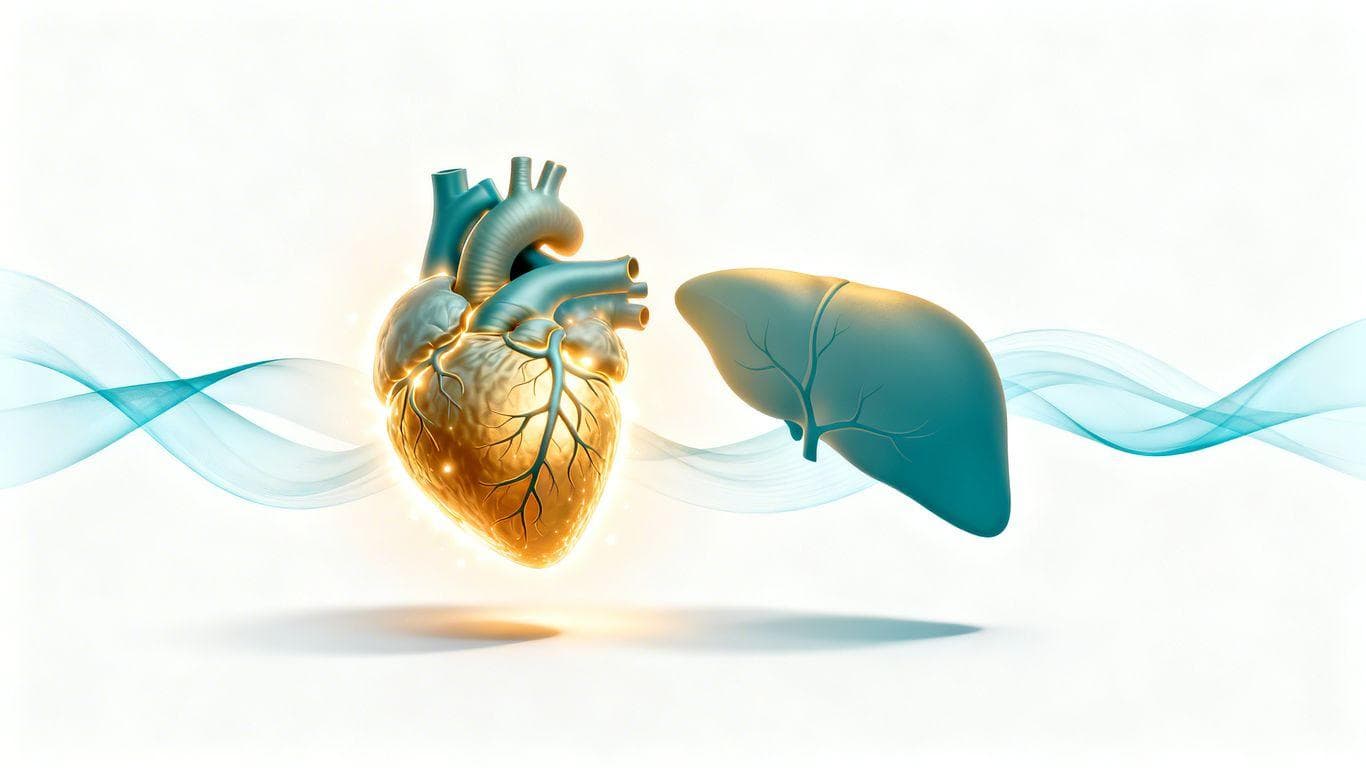
Recent studies presented at the European Society of Cardiology (ESC) Congress 2024 and other research highlight the significant potential of Eli Lilly’s experimental drug, retatrutide, in addressing key health concerns associated with obesity. The triple receptor agonist, targeting GLP-1, GIP, and glucagon, has demonstrated notable improvements in lipid profiles and a dramatic reduction in liver fat among obese patients.
Key Takeaways
- Retatrutide significantly improves cardiovascular risk factors, including lipid profiles.
- The drug effectively reduces liver fat in obese patients, potentially reversing fatty liver disease.
- Phase II trial results suggest retatrutide could be a next-generation treatment for obesity and related conditions.
Impact on Cardiovascular Health
Results from a Phase II clinical trial involving 338 obese or overweight patients without diabetes were presented at ESC 2024. The study analyzed retatrutide’s effects on serum lipid profiles, including apolipoprotein and lipoprotein particles. At 48 weeks, retatrutide demonstrated dose-dependent reductions in key cardiovascular risk markers:
- Non-HDL-C reduced by up to 26.9%
- Apolipoprotein B (apoB) reduced by up to 24.2%
- Triglycerides reduced by up to 40.6%
- Apolipoprotein C-III (apoC-III) reduced by up to 38.0%
The drug also reduced the number of triglyceride-rich lipoprotein particles (TRLP) and small, highly atherogenic low-density lipoprotein particles (LDLP). Furthermore, the lipoprotein insulin resistance score decreased significantly across different dosages.
Addressing Fatty Liver Disease
Separate research focused on retatrutide’s impact on metabolic dysfunction-associated steatotic liver disease (MASLD), commonly known as fatty liver disease. In a sub-study involving obese participants, over 85% reduced their liver fat to levels no longer classified as fatty liver disease by week 48. Notably, 93% of patients on the higher dose achieved this reduction.
Arun Sanyal, M.D., a hepatologist at Virginia Commonwealth University and lead researcher of the sub-study, described the findings as "dramatic." He suggested that retatrutide could serve as a "bottom up" therapy, preventing the progression of liver disease and potentially reversing it. This could significantly reduce long-term harm to the liver, heart, kidneys, and metabolic system associated with obesity.
Future Potential
Retatrutide’s mechanism of action, activating GIP, GLP-1, and glucagon receptors, helps control hunger and satiety, leading to weight loss and improved blood sugar regulation. Given these promising results, experts believe retatrutide could become a revolutionary treatment, potentially succeeding current therapies like tirzepatide and capturing a significant market share in the coming years.
Sources
- ESC 2024: Retatrutide improves lipid and cardiovascular risk profile in Phase II trial, Clinical Trials Arena.
- Retatrutide wiped out fat in liver of obese patients, VCU Health.